A Little Of This, A Little Of That
HIGH Goodbye “Quests”, hello “Leads”!
LOW Shallow gameplay mechanics.
WTF They “say less is more” but isn’t it too little!?
Atomfall is Rebellion’s timely break from the Sniper Elite franchise.
Officially called a first-person survival actioner, this work of historical science fiction is a reasonably-sized double-A project that does not want all of a player’s time and attention, instead offering a short, mysterious adventure filled with conspiracies and moral dilemmas.
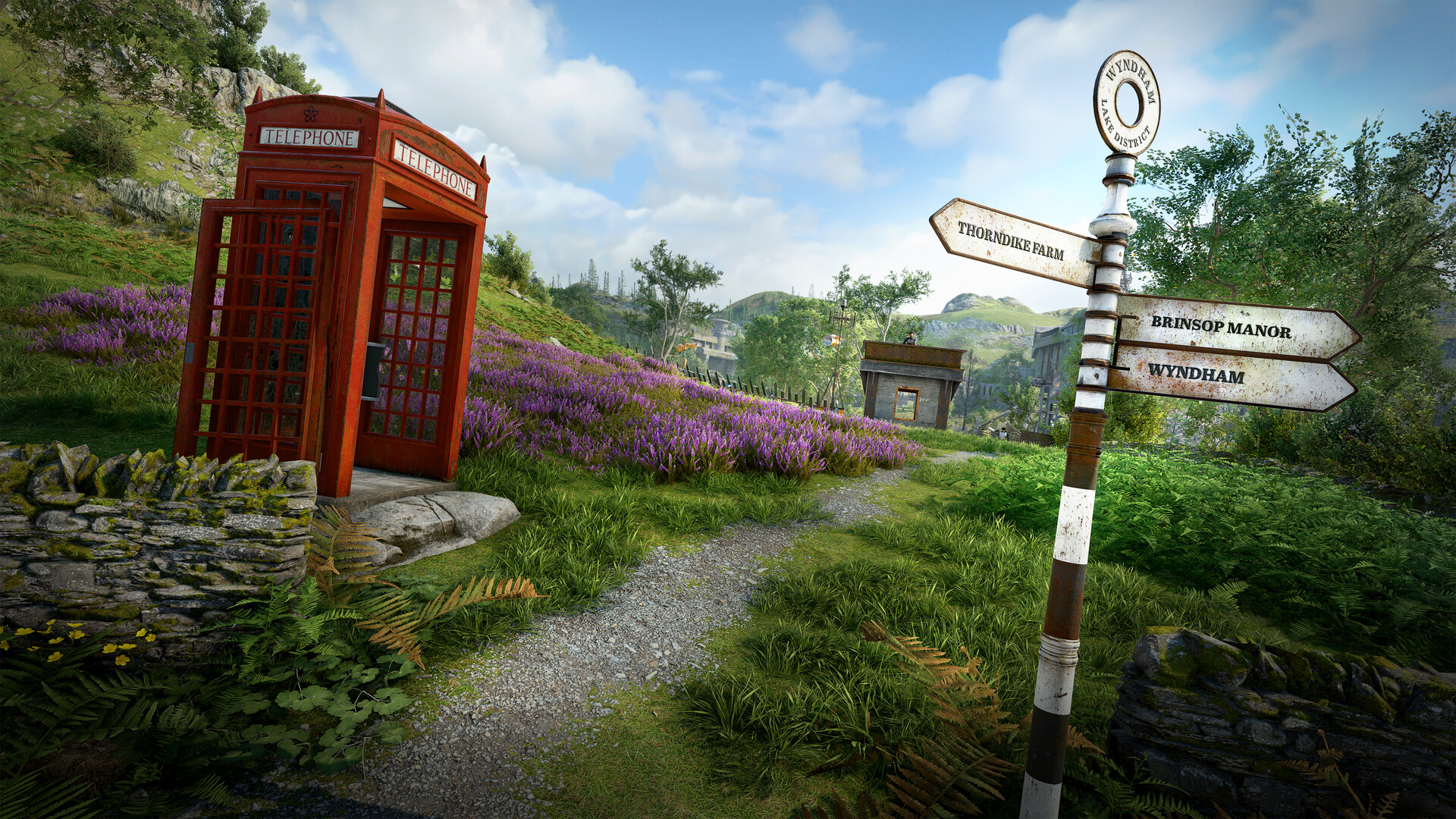
Atomfall‘s story is set five years after the UK’s (real life) Windscale Fire nuclear incident of 1957. In this alternate take, a military quarantine protocol is enacted and players control of someone who’s had an accident that left him unconscious for five years. Upon waking up, the protagonist discovers that he’s lost his memory and now must find the truth behind the incident and a way out of the quarantine that’s been in effect for all this time.
Atomfall is played from a first-person perspective, and employs stealth and shooting elements. In the early stages, firearms and bullets are rare and combat is mostly focused on melee. Later on, different types of firearms such as revolvers, marksman rifles, and bows can be acquired through looting, exploration, or trading. The world consists of four areas that are connected through a hub-like facility called The Interchange. Different factions reside in each part of the world, and as one might expect, the factions can consider the player either friend or foe based on their choices.
Atomfall can largely be seen as two halves — the gameplay and the narrative.
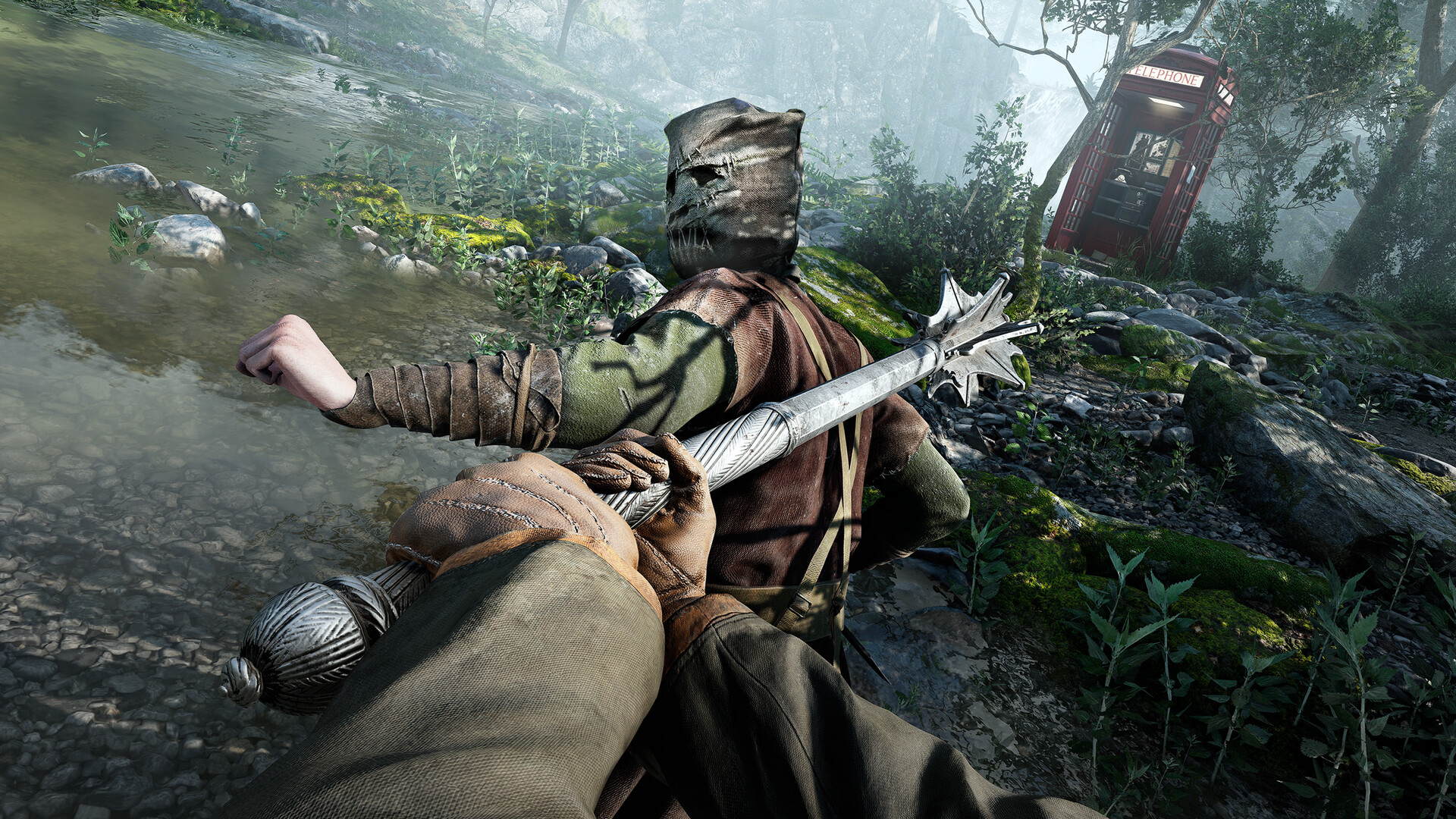
Though there is a barebones skill tree that improves combat, stealth, and survival capabilities of the player, it doesn’t provide any active special abilities. As such, Atomfall largely plays the same at the end as it does at the beginning, resulting in the combat and stealth feeling shallow, especially since the mechanics (in general) are on par with something from the early 2000s.
For example, players can crouch or hide in bushes to prevent being detected and to take out enemies silently from behind but that’s all there is to it. The awareness of enemies is also incredibly high, which makes it nearly impossible to stealth without it eventually turning into a shootout. The same goes for combat. Melee is tanky and slow because there’s no dodge or deflect, and shootouts are all about hiding behind a rock and returning fire. There are no cover systems or special abilities to add depth or strategy to any of the action. In fact, the only good thing about combat is the weapon variety and the ability to upgrade later in the campaign, increasing a weapon’s stats and their looks.
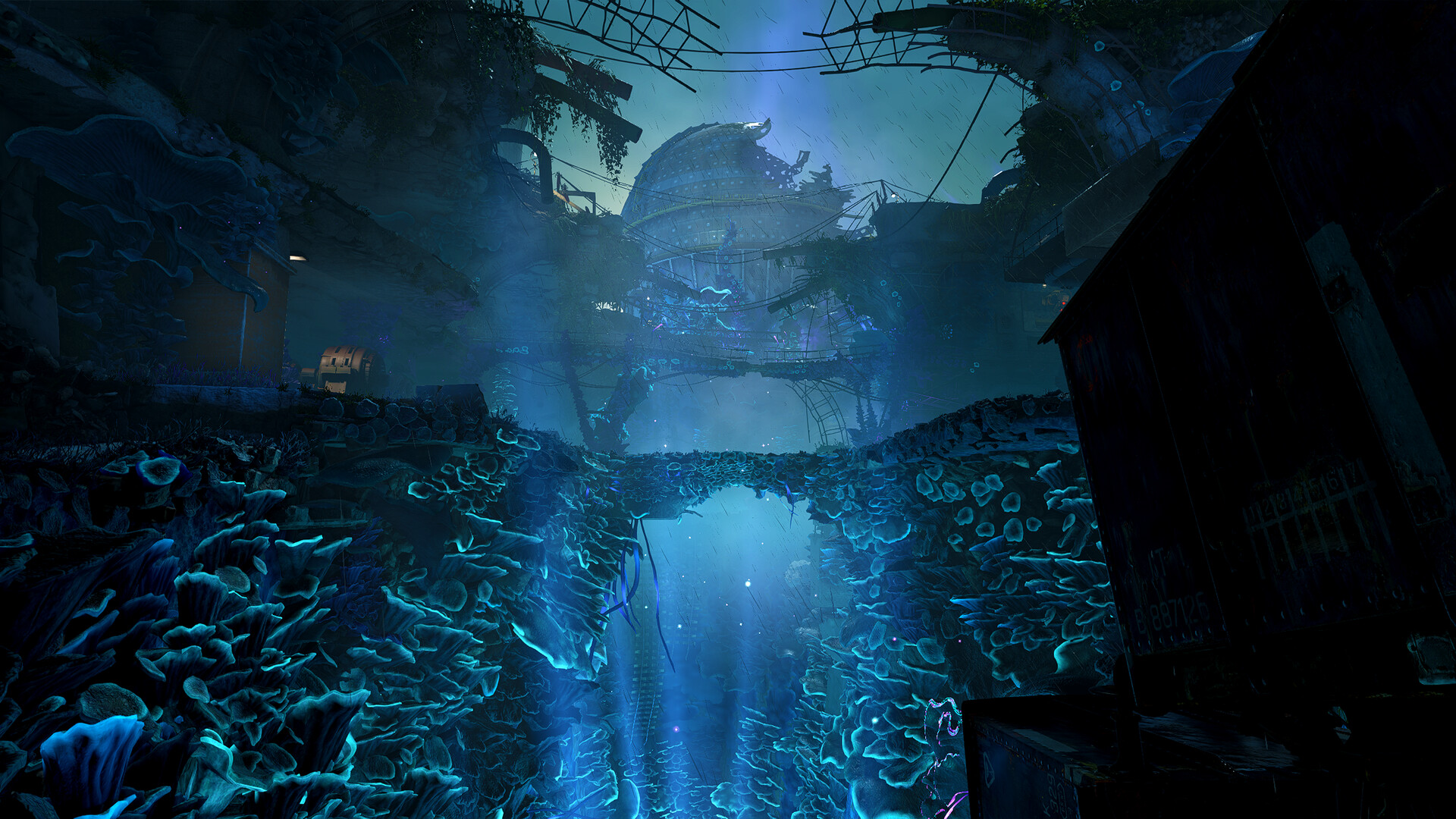
With such straightforward action, Atomfall‘s narrative and story are certainly its strongest suits, and to be fair, its opening is a good one — imagine leaving an underground bunker, suffering from amnesia and the very first thing in view is an atomic powerplant on the horizon surrounded by strange cyan auroras. Before that sight can be properly digested, a nearby payphone rings and a monstrous voice on the other side requests the death of someone called Oberon! Just five minutes into the experience we’re already faced with so many questions — what happened to that powerplant? Who is Oberon? Who are these people living in this mess? And what is my role in it? Mystery is a classic way to kick off an adventure, and the team at Rebellion have nailed it.
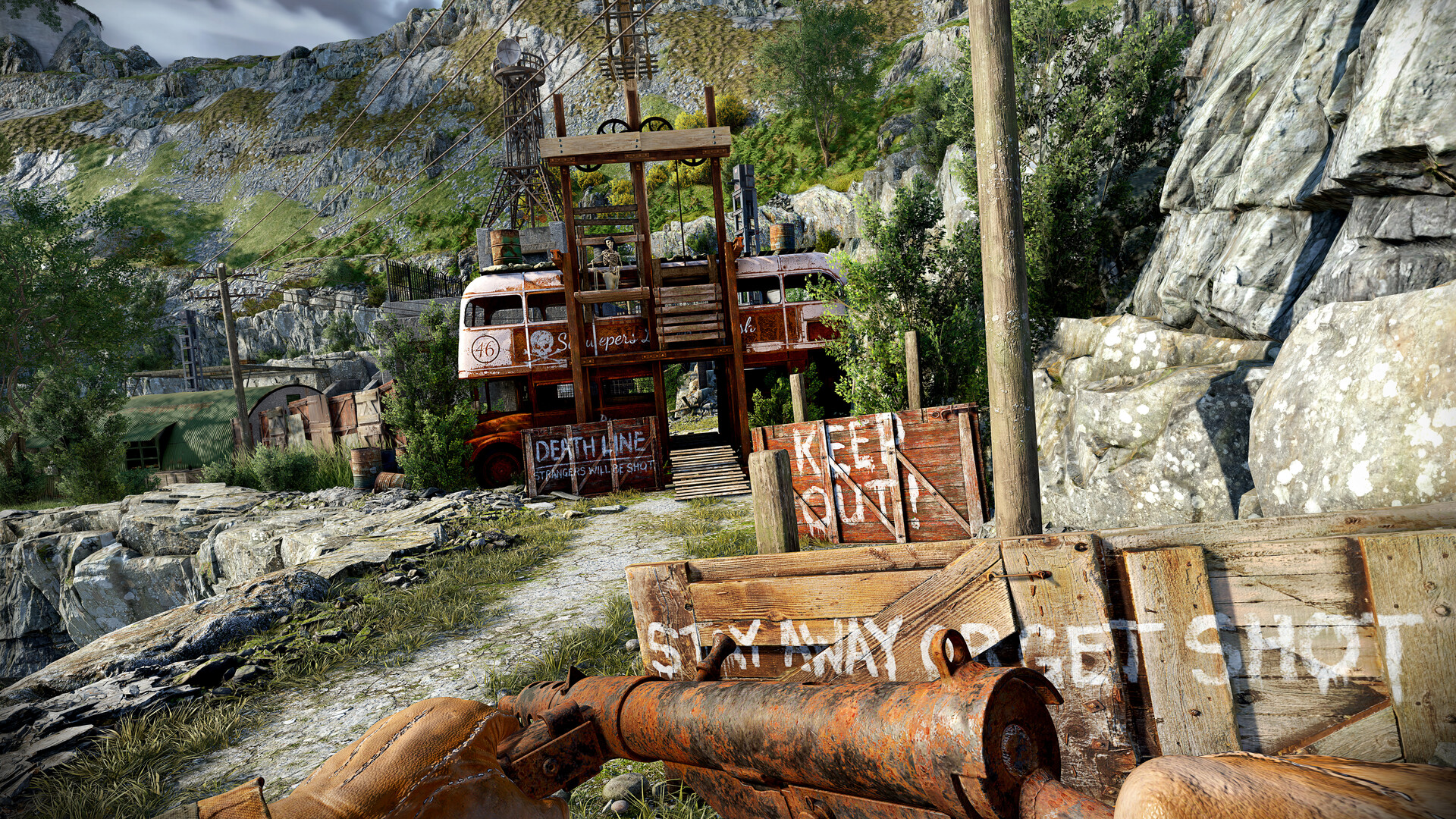
Atomfall also tries to redefine the notion of quests and rebrands them as “leads” — and they don’t start and end in a traditonal linear way. Some of the leads players find at the beginning of the story will continue to get updated until the very end. Sometimes finding an object updates the log for multiple leads and adds entries about them. Every lead might be as important as the next, and players will find themselves in a web of interconnected leads whose value and importance are sometimes revealed only after their conclusion.
Further, Atomfall doesn’t believe in handholding when it comes to exploration and lead design. Players must follow visual clues such as a bloody set of footprints that lead to a waterfall to find a hidden cave behind it. Such do-it-yourself encounters are the basis of exploration which might result in finding rare resources, weapons, quest items, or more leads.
While Atomfall‘s ending isn’t a top-notch example in the genre, it is highly reflective of the choices players make and their interactions with NPCs. Supporting characters met along the way are well written and each have characteristics that make them feel like unique human beings with agendas and aspirations, and very often they’re in contrast with what someone else wants — for example, one might be focused on accepting what’s happening in the zone, another NPC asks you to fight against the odds, while yet another might suggest jumping ship and leaving everyone else to their fate. Credits will roll accordingly.
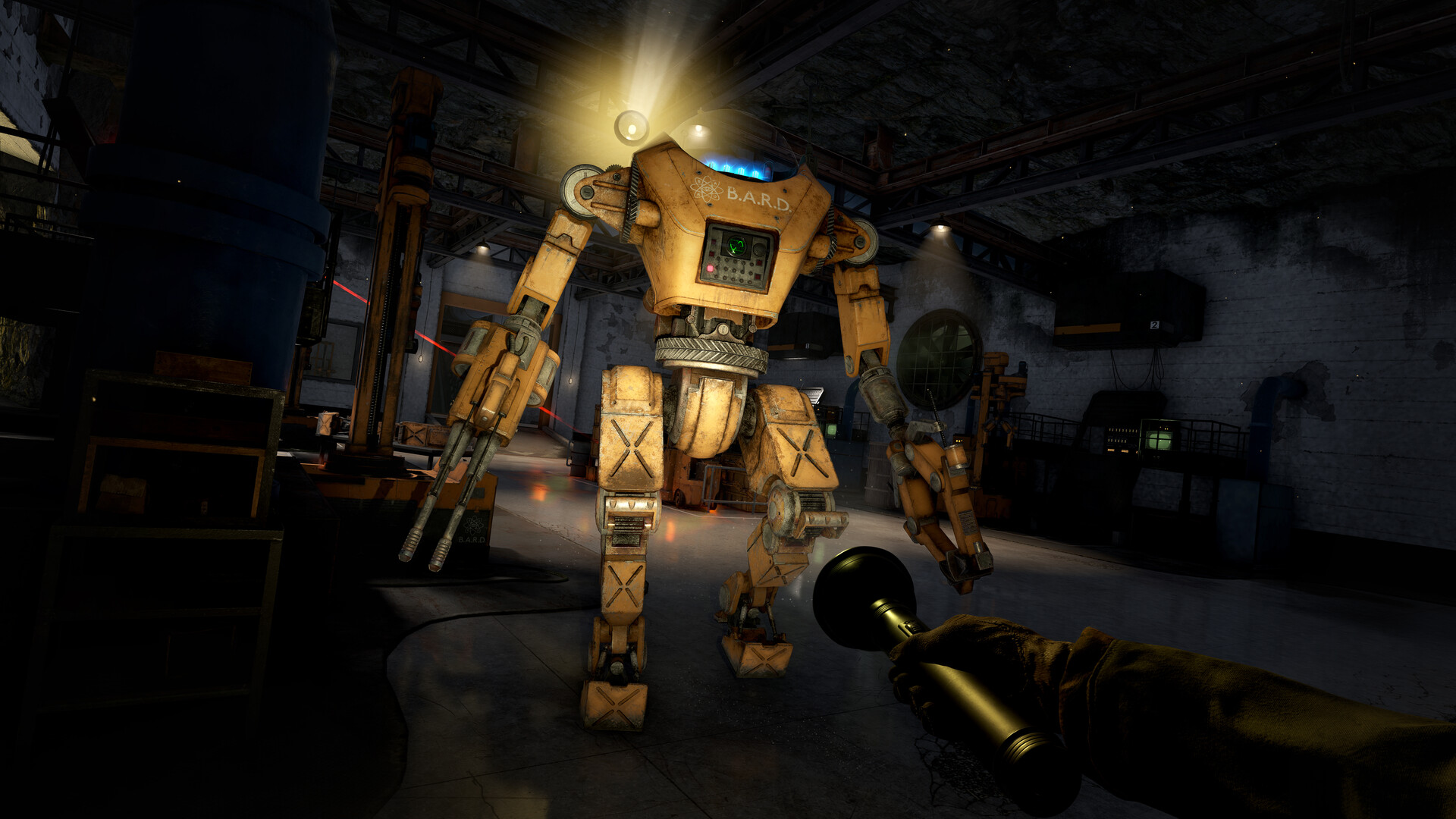
Atomfall is ultimately what I call a “chimera” game — it incorporates elements from different genres, but keeps their influence on a surface level. It has resource management and crafting mechanics of classic survival titles, multiple endings and choice-related story and gameplay outcomes akin to classic RPGs, and an emphasis on exploration usually seen in action-adventure counterparts. These are all good things at first glance, but the lack of depth in most regards makes it hard to recommend to dedicated genre fans while also making it relevant to any discussion on traditional boundaries of defining genre.
Rating: 7 out of 10
Disclosures: This game is published and developed by Rebellion. It is available on PC, PS4/5, and XBO/X/S. This copy was obtained via publisher and was reviewed on PC. Approximately 14 hours were spent in single-player and the game was completed. There is no multiplayer.
Parents: According to the ESRB, this game is rated M for Blood, Language and Violence. The site reads: Battles are highlighted by gunfire, cries of pain, and blood-splatter effects. Players have the ability to attack/kill bystanders and civilians, snapping their necks and/or slashing them repeatedly, with large blood-splatter effects. During the course of the game, players can encounter bloodstained corpses and/or blood on the ground. The words “sht” and “prck” appear in the game.
Colorblind Modes: Colorblind modes are not present in the options menu.
Deaf and Hard of Hearing Gamers: There are subtitles and visual options available in the game, all of which can be adjusted. There were no audio cues of note. This game is fully accessible.
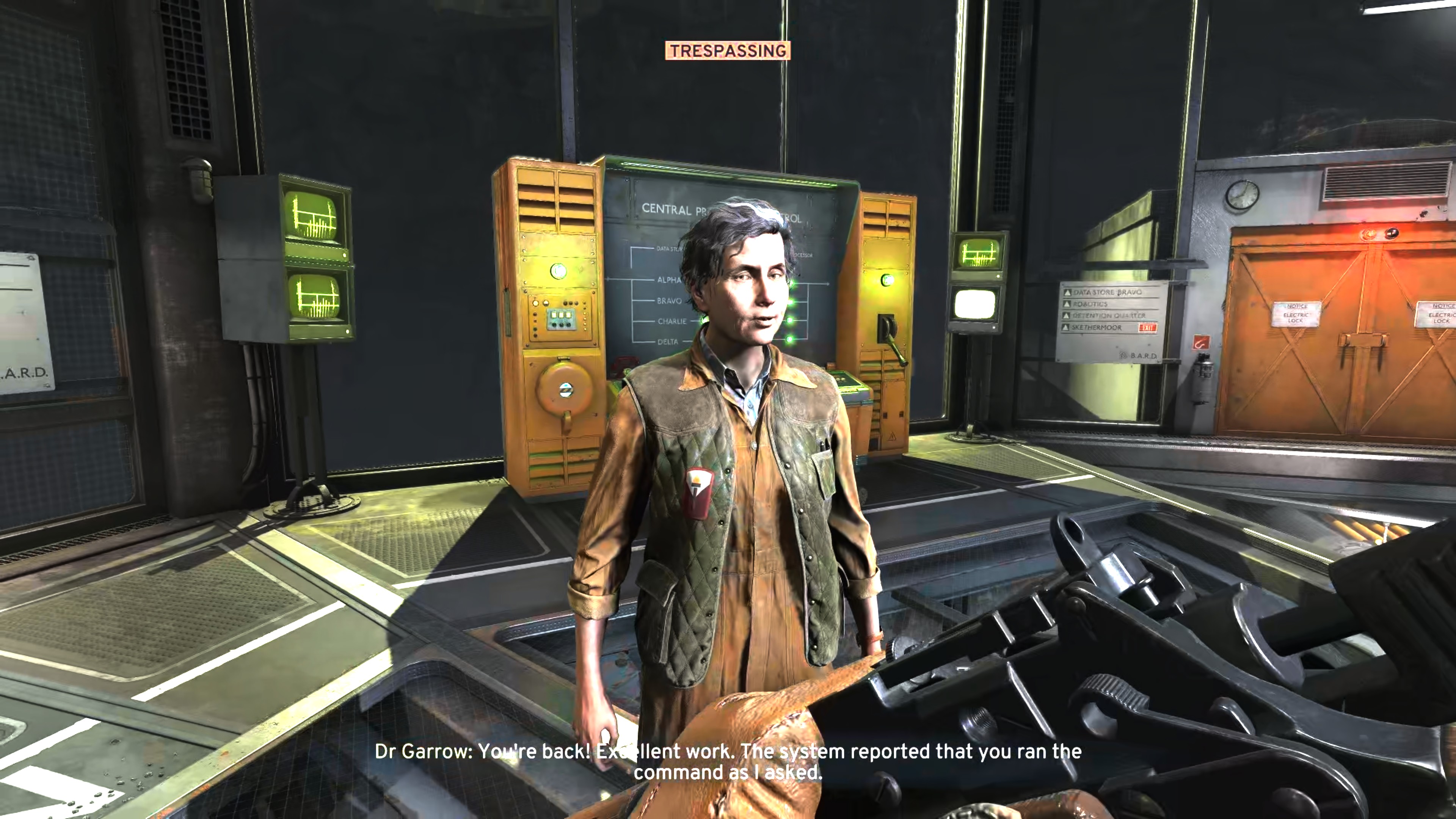
Remappable Controls: The controls can be remapped.

- Tempest Rising Review - November 10, 2025
- OPINION: The Good & Bad – Gamescom 2025 - October 1, 2025
- Atomfall Review - April 9, 2025
The player doesn’t suppose to know their background. I haven’t finished the game yet, but I was assuming the protagonist was {removed for potential spoiler} According to the review, turns out, I was wrong. That’s a little spoilery, other than that, great review.
Editor’s note: This comment was edited to avoid any possible spoilers.
Hey Eddie, thanks for the comment, and we’ve removed that potential spoiler. We appreciate the heads up! = )