Go Ninja, Go Ninja, Joe!
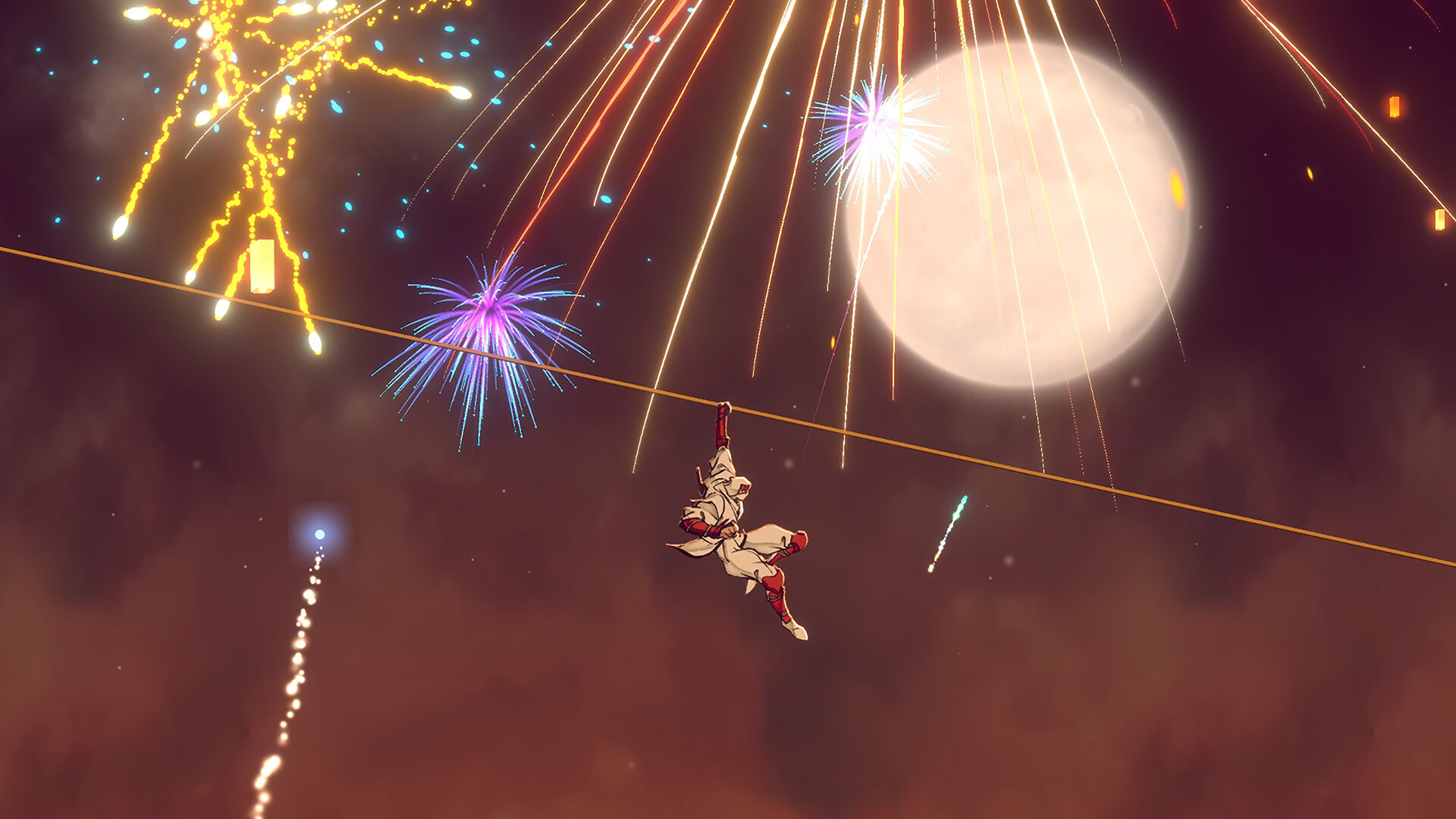
HIGH Surfing a missile into a building is rad as hell.
LOW There’s a suboptimal amount of downtime in the stage design.
WTF Joe’s eloquent way with words.
Are videogame bad guys deliberately stupid? It’s a question I’m sure nobody on the planet has ever asked before, but the bad guy in Shinobi: Art of Vengeance, Lord Ruse, comes across as a prime example of being a blithering dum-dum.
First, he’s a bad guy gunning for domination in a world where Sega’s premiere bad guy-killing ninja Joe Musashi exists. He then intentionally attacks Joe’s home while he’s chilling with his wife, dog and students, confidently relegating the killing of said super ninja to his most inept followers and leaving before the job’s done — so now Joe has to prioritize killing the bastard in a personal way.
Players will rely on Joe’s trusty katana during this 2D side scrolling quest, as well as a pocket full of throwing knives and an understated ability to dive-kick dudes in the face. Over time he’ll acquire new moves and additional gear, but don’t expect new weapon types. Blowing fire and summoning snake gods are all well and good, but Joe’s ultimately a katana guy through and through.
In his pursuit of vengeance, Joe will discover amulets that improve or modify certain abilities. He can equip some that cause enemies to drop more money or better healing items, while others offer rechargeable barriers that absorb a single attack or give significant damage buffs as his combo meter rises.
Naturally there are a ton of bad guys to meet and defeat along the way, from low level ninja to far more competent ‘elite’ demons, robots and skilled swordsmen.
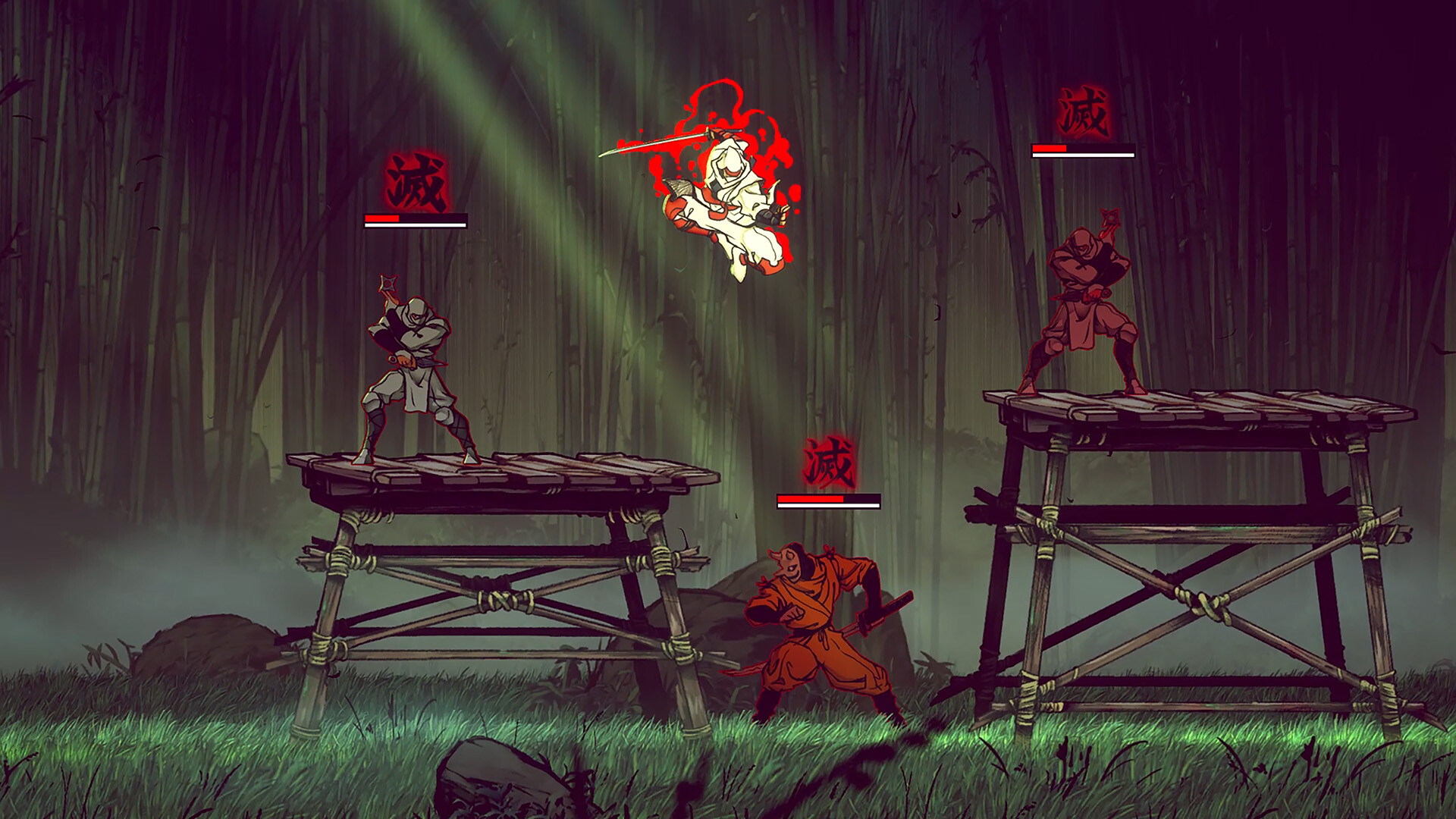
Most enemies have two damage gauges to keep track of — their basic health and a stun meter that opens them up for an instant execution marker which will see Joe bullet across the screen turning every vulnerable enemy a into bloody mist. It should be mentioned that doing these instakills never, ever gets old and is heavily encouraged by showering players who use it with more resources than normal kills.
To get specific for a moment, there’s an excessive amount of hitstop on attacks, causing the action to briefly freeze as blade meets flesh. Most titles usually reserve this for heavy or perfectly-timed hits, but Shinobi: Art of Vengeance liberally applies it to pretty much everything. It’s a double-edged approach, with many combos feeling weighty and powerful in nature, but this staccato rhythm of sword swipes staggers the flow of combat and lingers just a little too long when the player takes damage from enemies.
With that said, for the most part the action feels solidly enjoyable with plenty of scope for player expression and experimenting with flamboyant combos that brutalize enemies halfway across the screen, their broken corpses flopping around like pincushions full of kunai. However, I’m also curious to see how the same combat engine would fare if the hitstop was completely absent.
Something that’s more of a clear issue is that Joe commits to certain attacks, meaning that he can’t roll or jump to safety until the attack completed. It leads to the master ninja feeling less sprightly than he probably should, tanking hits with his face instead of swiftly sweeping out of range, making performing certain moves more unsafe than they probably should be. Not that enemies are particularly deadly for the most part, many of them putter through their standard attack animations without much regard for what Joe’s up to.
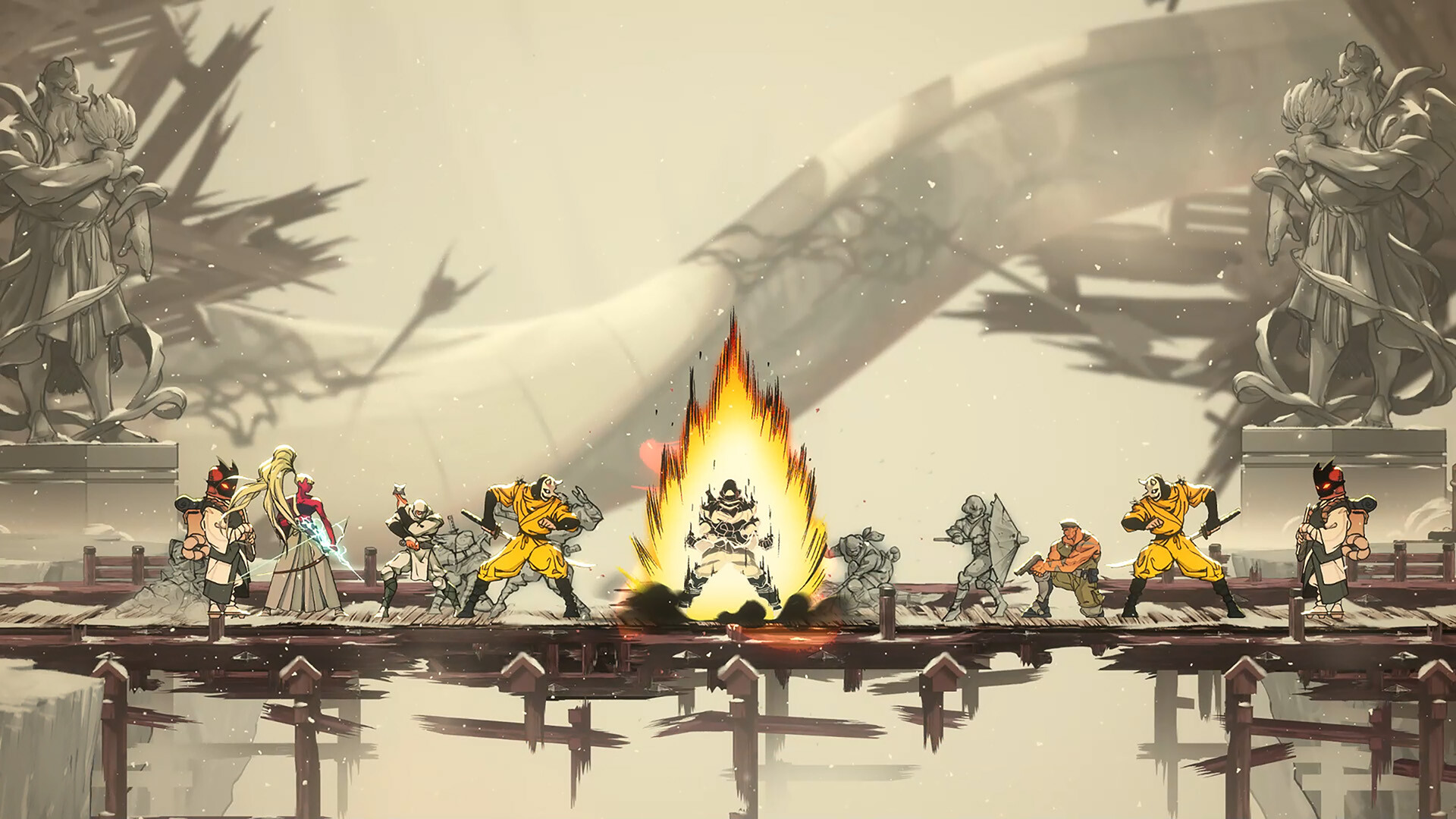
Bosses are the usual motley crew of idiots who think that they can take on Joe Musashi and live, though series veterans will recognize a few returning faces. They’re fine, but rarely standout – most of them are punching bags, honestly. That’s not to say that they don’t have attack patterns that require avoiding, but Joe can absolutely body them for the most part.
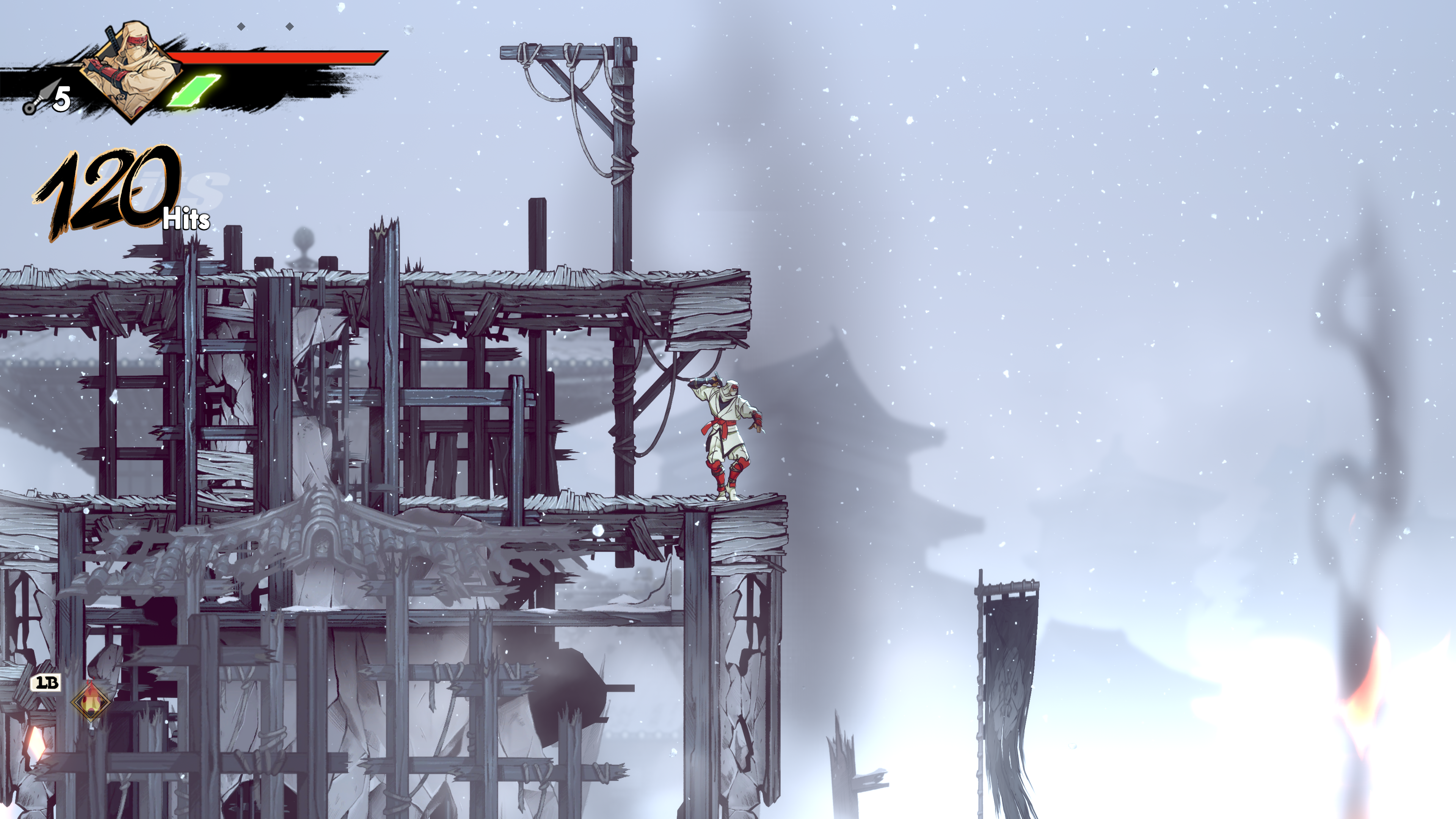
In terms of presentation, Shinobi looks great — absolutely fantastic in places, even, with a hand-drawn art style that continually impresses from the first scene in a gorgeously sunlit field, all the way to later stages storming through rain-slick cities, towering mountain passes, underground secret bases and the welcome return of an awesome surfboarding section. That said, I do find the overly angular stage design to detract from things somewhat, though I’m sure the choice was made to make surface areas more easily recognizable.
Shinobi: Art of Vengeance takes a psuedo-metroidvania approach to level design. It isn’t all one large interconnected world to explore, but rather a bunch of levels peppered with secrets that can only be fully explored when bringing back tools and skills acquired in later levels — things like walls requiring climbing claws to scale, updrafts that necessitate the use of a glider, or anchor points that Musashi will need a grappling hook to latch onto.
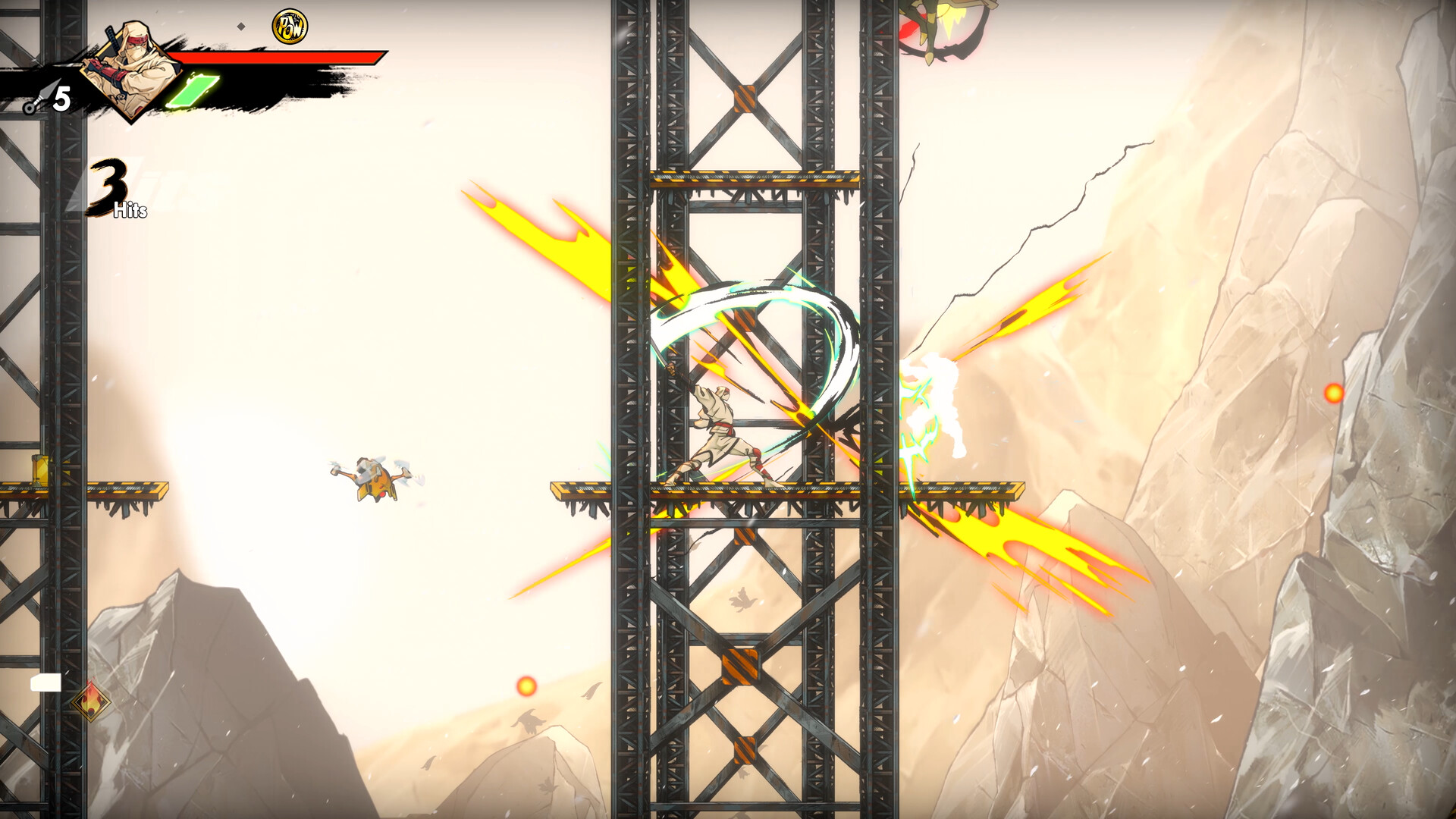
Despite this, Shinobi: Art of Vengeance doesn’t take full advantage of the approach. Players will often return with new gear only to pick up a single item or perform a short platforming sequence instead of uncovering new areas to explore, enemies to kill and bosses to defeat. It’s largely disappointing when compared to other games that utilize the approach well, though there are portals known as Ankou rifts that offer more challenging subrooms filled with enemies or tougher platforming sections.
The puzzles on offer generally exist to slow the proceedings down. Flipping switches to open doors is rarely an exhilarating gameplay mechanic, and pushing heavy objects across a floor to block a laser or power a device doesn’t exactly scream high-speed ninja action. Little of this is significantly additive, instead leading to far more downtime than is desired.
I generally enjoyed Shinobi: Art of Vengeance just fine. On the upside, the combat engine is fluid and satisfying to experiment with, and for the most part Shinobi: Art of Vengeance generally offers a reasonably good time. However, as a longtime series fan I expected an absolutely awesome outing, and it never quite hit the heights I was hoping for.
Rating: 6.5 out of 10
Disclosures: This game is developed by Lizardcube and published by DotEmu. It is currently available on XBX/S/PS5/Switch and PC. This copy of the game was obtained via publisher and reviewed on the XBX. Approximately 20 hours of play were devoted to the single-player mode, and the game was completed. There are no multiplayer modes.
Parents: According to the ESRB, this game is rated T and contains Blood and Violence. The good stuff! The official description reads: This is an action-platformer in which players assume the role of a ninja leader trying to save the world from an evil corporation. From a 2D/sideways perspective, players explore levels while fighting various enemies (e.g., ninjas, soldiers, monsters). Players use swords, throwing stars, and dramatic special moves to kill enemies in frenetic combat; fighting is highlighted by cries of pain, brief slow-motion effects, and frequent blood splatter. One boss fight allows players to dive inside the creature and slash at a giant heart.
Colorblind Modes: There are no colorblind modes available.
Deaf & Hard of Hearing Gamers: This game offers subtitles. The subtitles cannot be altered and/or resized. I don’t recall any instances where lack of sound would be a problem. I’d say it’s fully accessible without audio.
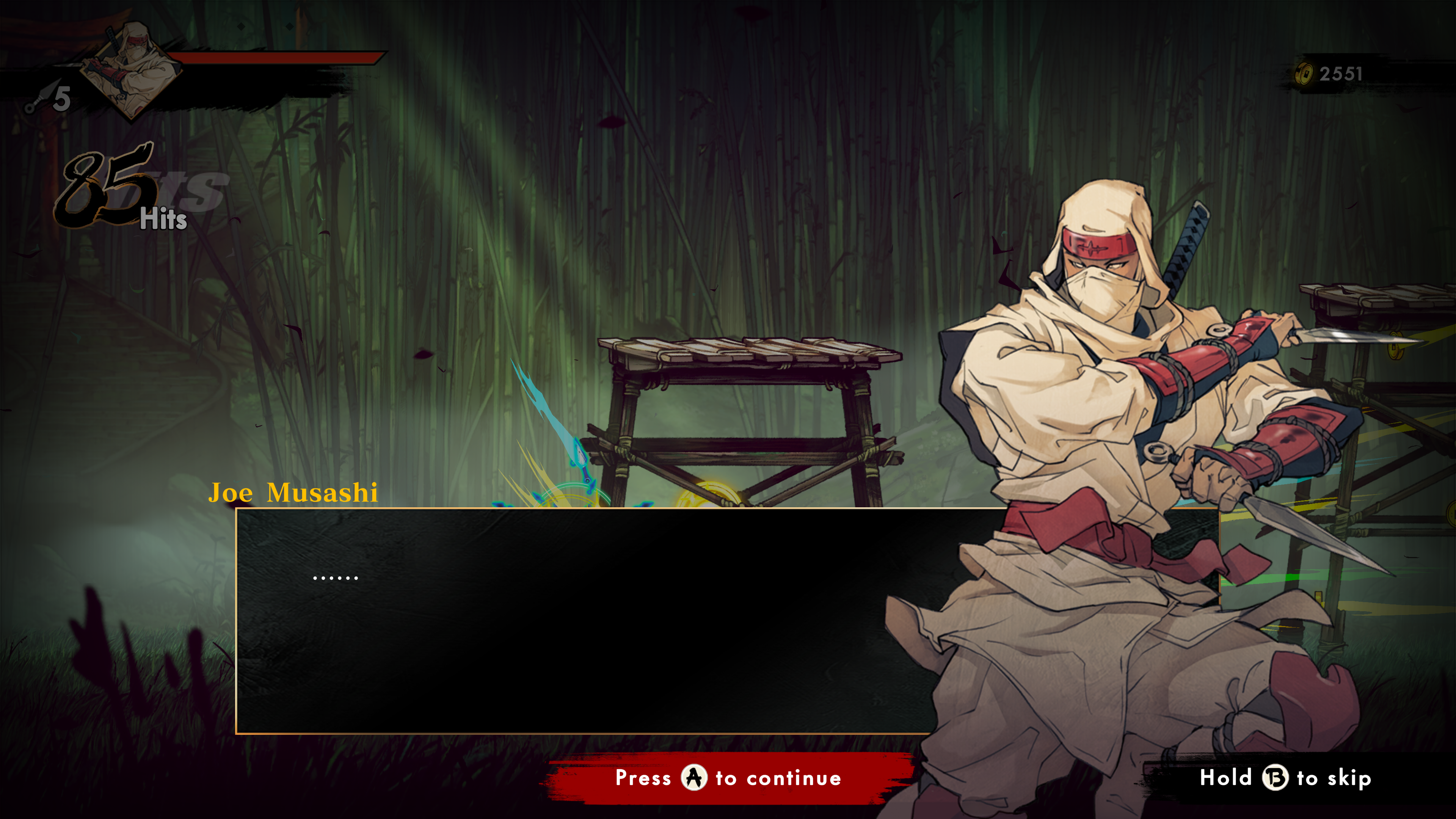
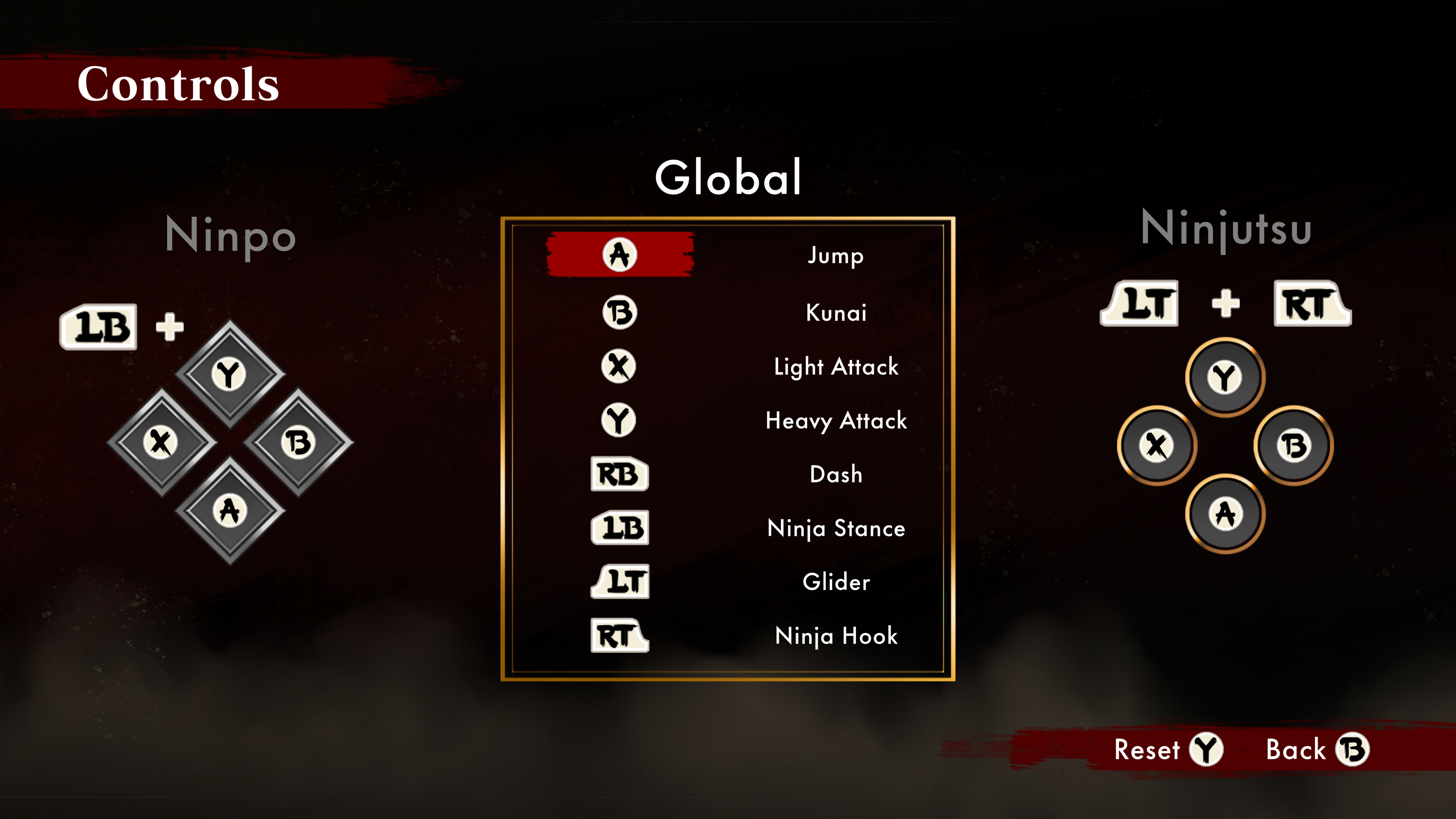
Remappable Controls: Yes, this game offers fully remappable controls.

The chance discovery of a muddy, burnt out copy of '50 Shades of Grey' in a hunting pit gave him an appreciation for complex plots, characters and overarching narrative, and the unexpected gift of a Spectrum 48k allowed him to indulge in these newfound sensibilities with intelligent, highbrow games such as 'flee from the badly animated spinning turquoise dolphins' or 'avoid the deadly glowing bricks of doom'.
The fusion of both these interests finally culminated with Darren teaching himself how to write by basically guessing at what words might look like when jotted down on paper as opposed to being howled inarticulately at the skies.
Now others occasionally get to read his scribblings. Lucky them.
- Shinobi: Art Of Vengeance Review - October 29, 2025
- Absolum Review - October 22, 2025
- Ninja Gaiden: Ragebound Review - September 7, 2025