Stranger on a Strange Planet
HIGH A gripping, expertly-framed first-person sci-fi adventure.
LOW Polish issues and rough edges in the climax and finale make for an awkward landing.
WTF How did this story come out in 1964 and manage to still feel as timely as it does?
The key art for Starward Industries’ The Invincible shows an unfortunate astronaut buried up to their neck in sand on a desolate desert planet, skin and tissues rotted away to reveal the skull underneath. Looking at this art without any prior knowledge of the game or its inspirations, one might think The Invincible is a science fiction-themed horror title, or even a harsh survival simulator set on a distant world. Luckily for me, The Invincible is neither. Instead, it’s a rather compact, engrossing, and almost perfectly delivered first-person sci-fi adventure.
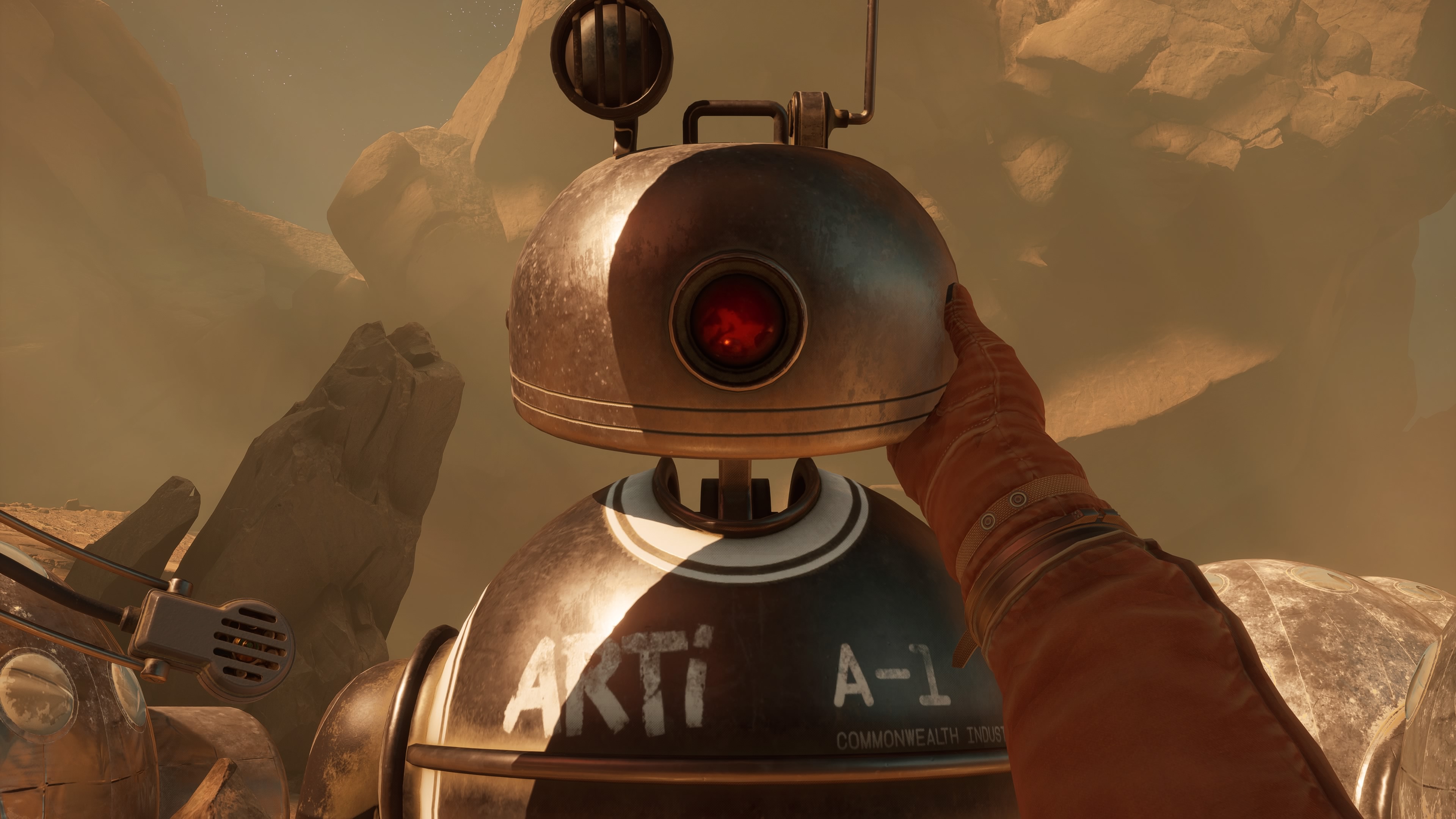
The Invincible is based on Polish author StanisÅ‚aw Lem’s 1964 novel of the same name, but it isn’t a direct adaptation. Where the original tale focused on the titular vessel — a heavily-armed military spaceship — Starward Industries opts to reframe the story on a more personal scale. In Starward’s version of the story, the protagonist, Yasna, is a biologist instead of a soldier, part of a small, six-person research crew. She wakes up on the surface of a barren, foreboding planet with gaps in her memory and her journal to fill the blanks. Yasna must find the rest of her crew and reestablish contact with Novik, the mission commander in orbit onboard their mother ship. During this journey she’ll uncover why she and the crew were separated, and how their troubles relate to the planet and its mysterious, dangerous ecosystem.
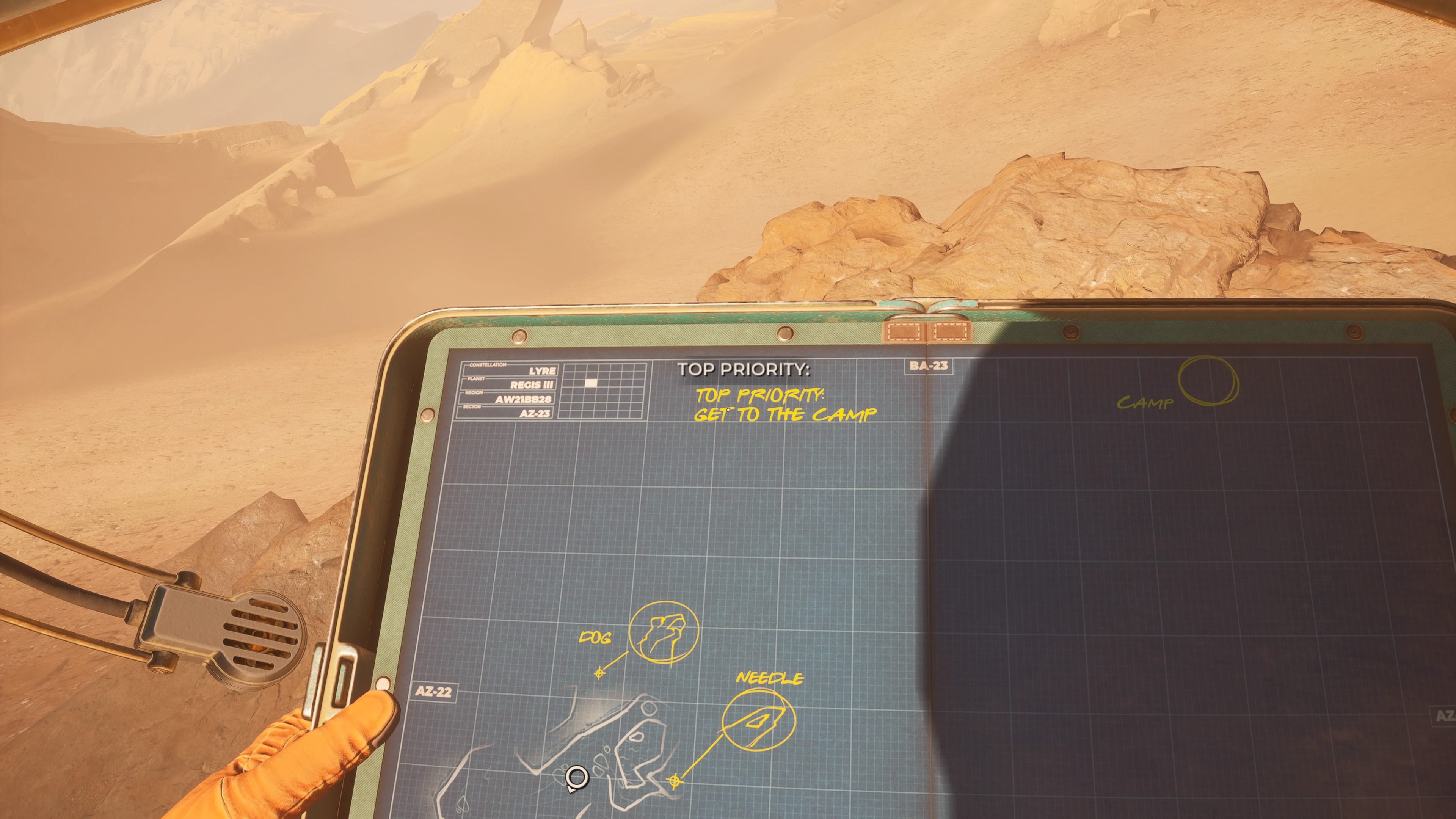
Players will go about solving that mystery in the manner of a first-person exploration game — the kind some jokingly call “walking simulators”. In its opening moments, The Invincible gestures convincingly to the minutiae of survival simulators by having Yasna check her spacesuit for damage, carefully doing an inventory of her backpack, and perusal of her mission log, giving herself (and the player) an initial set of objectives. However, these actions are less an introduction to a set of gameplay systems (such as maintaining hunger or oxygen supplies) than a way to establish Starward Industries’ expertise at first-person navigation and immersive presentation. Other than a few small HUD elements to help players orient themselves, almost all functions are represented diegetically by using objects or mechanisms in the world of the game rather than abstractions.
Need to navigate? Yasna will open up her log, turning the pages to represent different sectors on the map grid. Need to find landmarks to pinpoint a landing zone for the mother ship’s evacuation capsule? Yasna’s telescope has separate “dials” for distance and zoom. Notes and waymarkers appear marked in bright yellow pencil on the map. All of this is couched in a sublimely appealing retro-futuristic visual style inspired by the Cold War-era space race art and concepts from the Soviet side of the divide. There’s a chunky, weighty physicality to every object and animation that matches or exceeds even the likes of triple-A behemoths like Cyberpunk 2077 in making a player feel like they’re inhabiting the viewpoint character. If you’re like me and love to look at vintage appliances or appreciate consoles covered in old LEDs and switches, knobs, and dials, The Invincible‘s chunky, grounded aesthetic sense is as intoxicating as catnip.
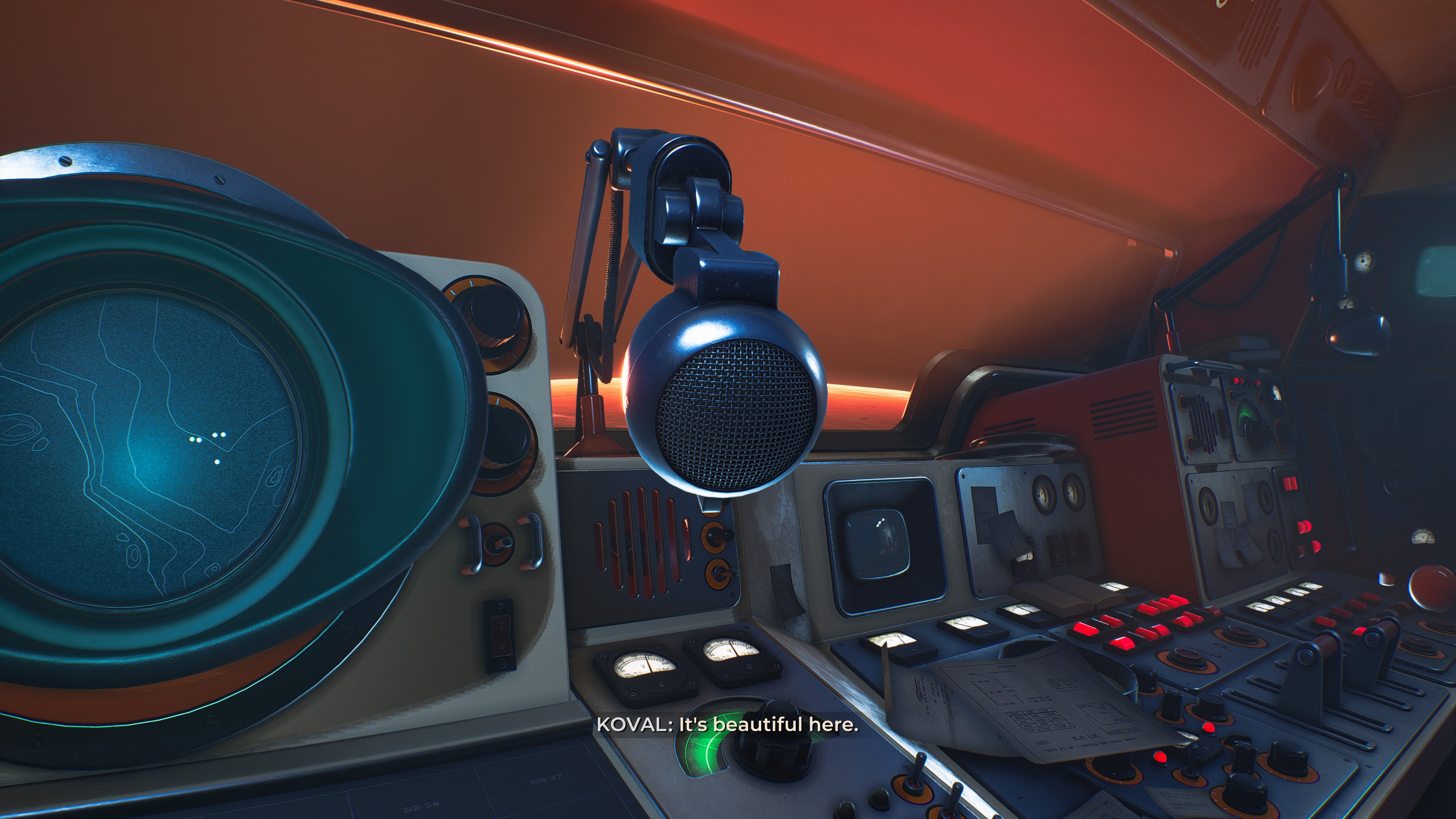
Starward Industries knows what it’s doing when it comes to looks and sounds, too. The synth-heavy soundtrack puts a haunting CRT TV hum behind every vista, and every vista looks like the cover of a weathered sci-fi paperback novel, not to mention the fact that the Soviet-era origins of both the story and the style are fresh and new compared to the endlessly reiterated versions of American retro-futurism envisioned by the likes of Fallout and old sci-fi TV reruns. The Invincible genuinely feels like a vision of an alternative future grown from different roots than the “typical” titles one might encounter growing up in the English-language gaming scene.
Where The Invincible is heavy on style, it’s deliberately light on gameplay systems. Rather than distract from the story by having to maintain vitality meters or batteries, Yasna’s main jobs are to explore each area, uncovering clues and slowly moving along with the pace of the narrative. While I won’t reveal specific plot points, the script does feel a little quaint. Starward Industries’ take on the original The Invincible‘s themes of robotic advancement, artificial evolution, and the relationship of humanity to future alien environments is well-executed, but doesn’t fundamentally challenge or alter them significantly, making the beats come across as a bit easy to predict, even without having read the source material.
That said, the alternative framing does a fantastic job of making the experience of those predictable beats land close to home. With players never leaving Yasna’s viewpoint, it’s good that she’s a personable and engaging lead, and the solitude of being marooned on an alien world is alleviated by Novik, a radio voice in Yasna’s ear. As Yasna travels the planet in search of her crew and and some answers, she can discuss various topics with him while players are usually given agency in deciding Yasna’s attitude. Yasna isn’t a blank slate protagonist, and the writing works to make her a convincing driver for much The Invincible‘s ten- to fifteen-hour runtime.
I say “much”, because things hit rougher patches in the last couple of hours of the journey, unfortunately.
As the story closes out, I couldn’t help but wonder if Starward Industries was forced to compromise on scenes or gameplay sequences that could’ve formed useful connective bridges for some of the logical leaps Yasna takes as the tale reaches its climax.
As things begin to draw near their conclusion, Yasna becomes something of an exposition device, spouting long, awkward monologues full of expertise outside the field of a biologist — or worse, calling on knowledge or speculations that she didn’t seem to know or encounter earlier. If the first three quarters of The Invincible come across as a well-paced sci-fi yarn, its last quarter feels haunted by the ghost of a producer telling the rest of the team to wrap it up. This abruptness wouldn’t be so bad if the rest wasn’t so good at delivering its slow-burn story in every other instance, but it’s disappointing to see the story stumble in the last few paces before the finish line.
An undercooked ending doesn’t capsize the rest of the experience, though, which is ultimately a perfectly calibrated sci-fi adventure with an inimitable aesthetic sense. As a game, The Invincible may not be entirely unassailable, but its credentials are as solid as one could ask for.
Rating: 8 out of 10
Disclosures: This game is developed by Starward Industries and published by 11 Bit Studios. It is currently available for the PS5, XBS/X and PC. This review of the game is based on a review build provided by the publisher and reviewed on PS5. Approximately 11 hours of play were devoted to the single-player mode, discovering multiple endings. There is no multiplayer mode. The game was completed.
Parents: This game is rated M by the ESRB, with content descriptors for Strong Language and Violence. The description is as follows: “This is a story-driven adventure game in which players assume the role of a scientist searching for her missing crew. From a first-person perspective, players traverse an alien terrain, engage in radio chatter, and interact with robots and drones to uncover mysterious events. Some interactions with robots can lead to instances of violence: a robot destroyed by a cannon blast; a character nearly crushed by a walking tank. Comic-style prints also depict violent imagery: humans getting shot by lasers; robot blasts melting through flesh; a surrendering character disintegrated by energy beams. The word “f**k” is heard in the game.”
Colorblind Modes: The game has no colorblind modes.
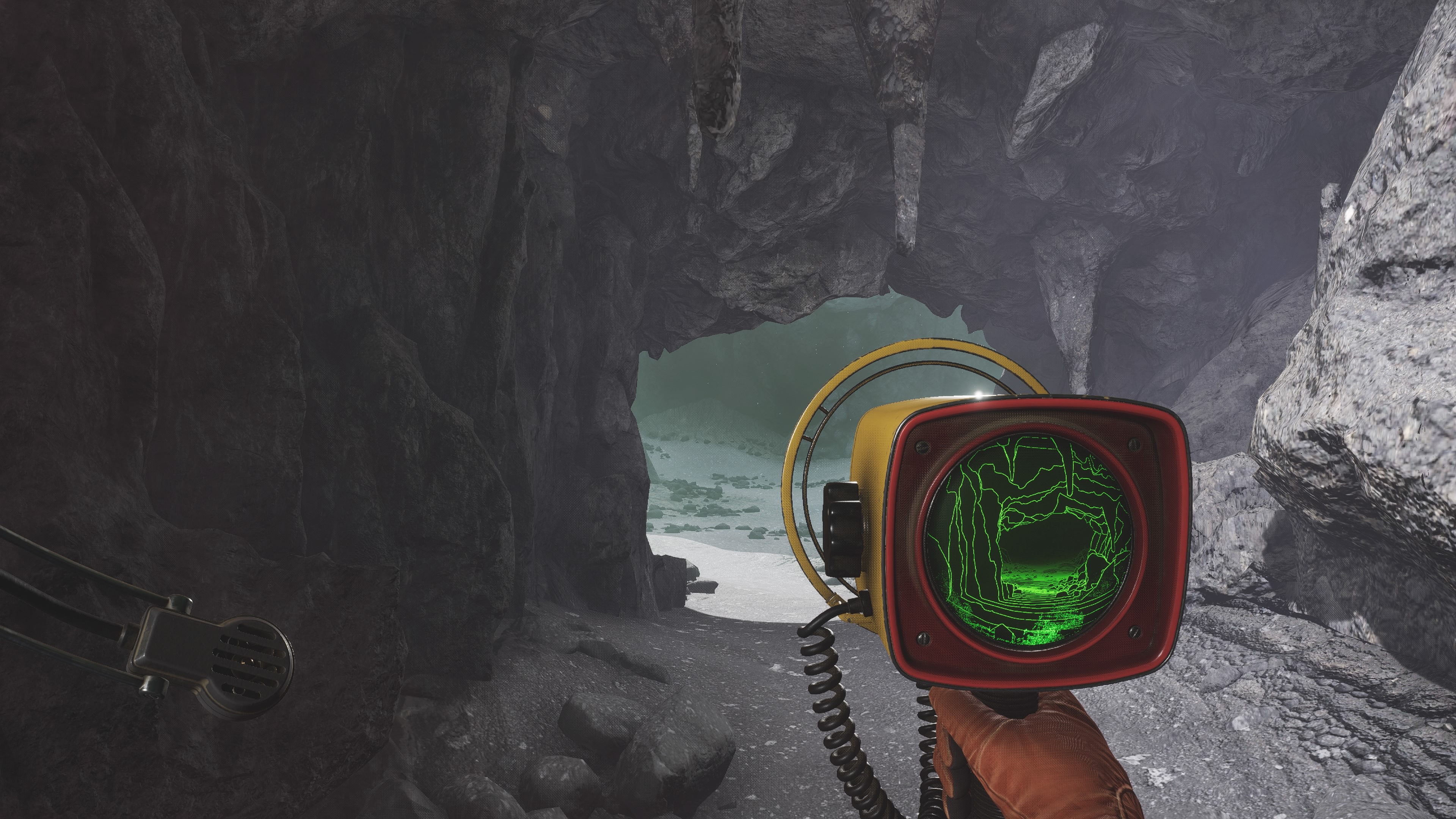
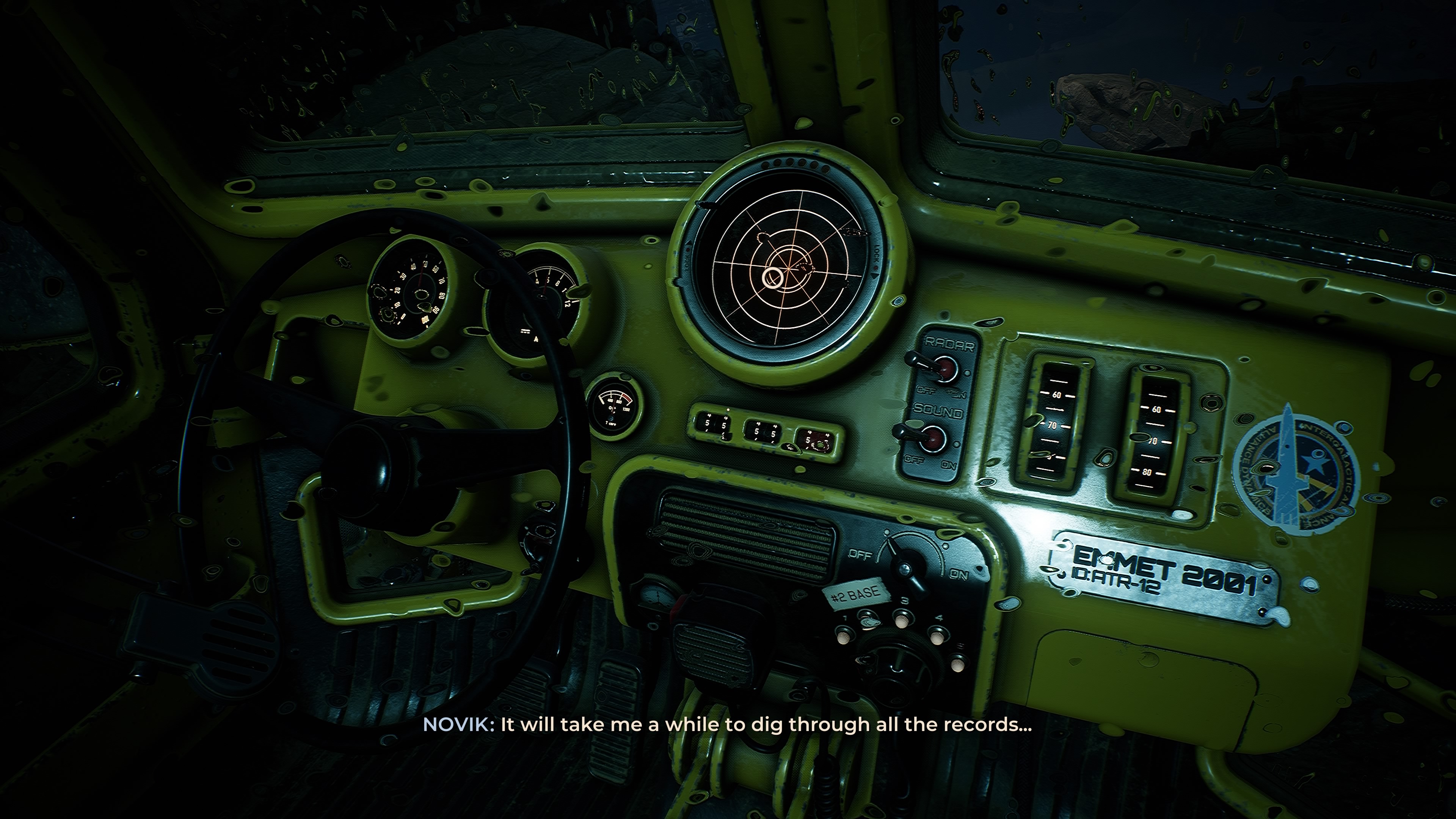
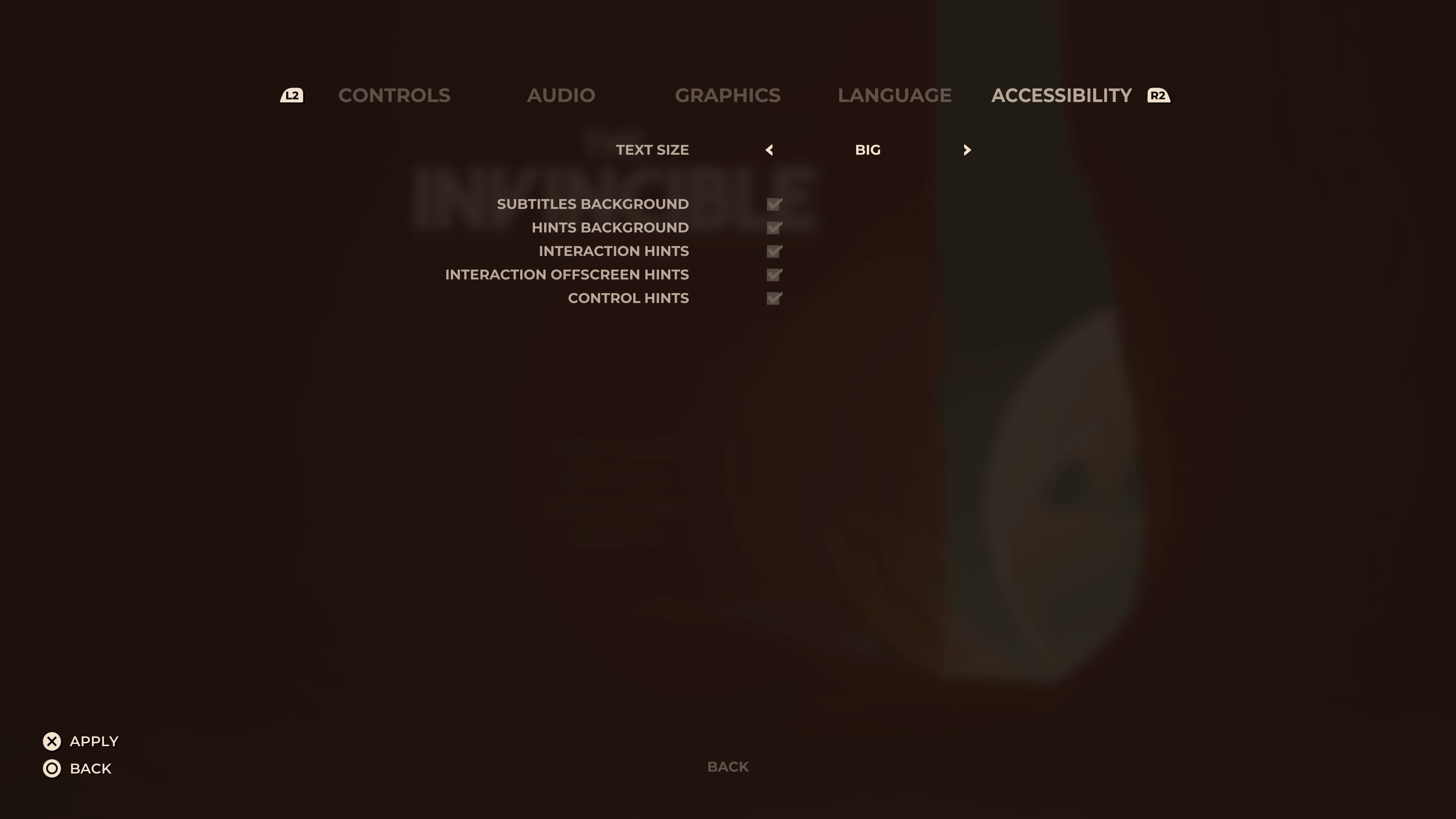
Deaf & Hard of Hearing Gamers: Voiced dialogue is accompanied by subtitles (see examples below), however, some subtitles showed discrepancies between the wording of the voiced line in English and the written text onscreen. The game features text size options, and highlights handwritten text and notes in computer font for readability. All gameplay cues are visual. Fully accessible.
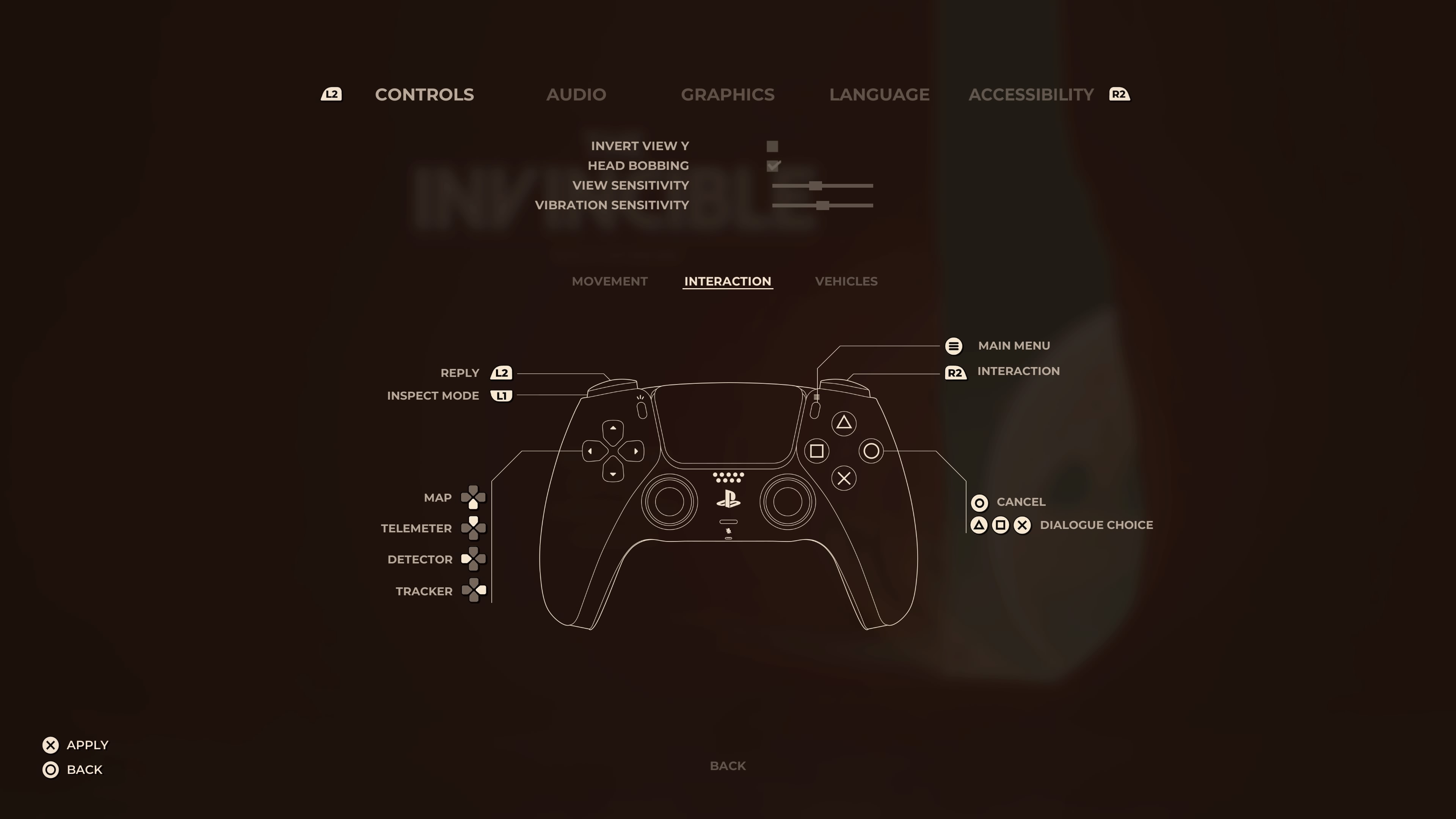
Remappable Controls: This game’s button controls are not remappable.

Today he continues to write for a living while trying to turn his fledgling knowledge of Japanese into a marketable skill. He is Managing Editor of Japanese culture site Japanator and is a Contributing Editor for Destructoid. He has written for The Escapist, The California Literary Review, Esquire Magazine, and proudly holds the badge as the premier apologist for Star Trek Online.
- Tsukihime -A Piece Of Blue Glass Moon- Review - July 30, 2024
- Melatonin Review - May 21, 2024
- The Invincible Review - December 21, 2023