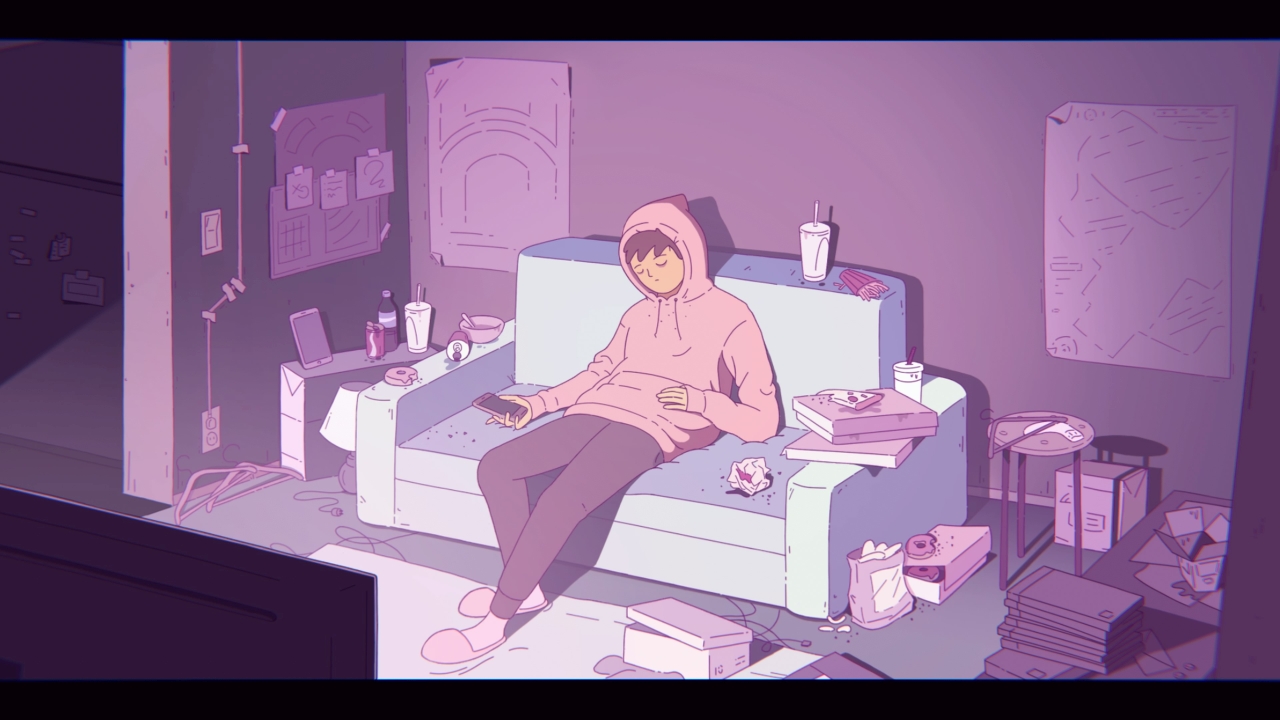
HIGH A chill, pleasant mood elevated by lovely music and art.
LOW It’s very short, and oddly strict about timing.
WTF It’s oddly bright and upbeat for a game about trying to get some sleep.
When it comes to rhythm games, one persistent (yet understandable) misunderstanding about the genre is that it’s about appreciating music. While the overwhelming majority of rhythm games are framed around music, rhythm play is ultimately about rhythm. Music is just the best mechanical device to build a timing-based set of mechanics around. It’s why so many rhythm titles are still playable in the deafening cacophony of an arcade, or why many rhythm players can still succeed with the music on mute. However, Half Asleep Games’ Melatonin might be one of the few where the music is truly essential.
The concept of Melatonin is heavily informed by genre classic Rhythm Heaven, and like Rhythm Heaven, Melatonin frames its challenges around scenarios set to music. But, where Rhythm Heaven was whimsical, silly, and focused on bizarre, energetic set pieces, Melatonin‘s framing is a more coherent and chill.

As one might expect of a title named after the brain hormone that helps regulate sleep, Melatonin is about a young person trying to get a good night’s rest. Unfortunately, their brain seems to have other ideas, with stages organized into five “Nights”. Each musical piece is centered around a dream subject, such as “Work,” or “Nature,” or “Space”. Melatonin‘s hand-drawn visuals are excellent, with character art and lines reminiscent of modern cartoons and a light, pink-and-pastel color scheme.
The music is a standout, with a number of relaxed pieces produced both by Half Asleep Games and other producers like Gravity Sound and Filippo Vicarelli. Fans of selections found in the “Chill Beats” and “Lo-Fi Girl” corners of YouTube and Spotify will find much to like in Melatonin‘s soundtrack. While consistently of a piece with the dreamy vibe, the songs do vary in tone, with some of the more stressful dream subjects having a darker mood.

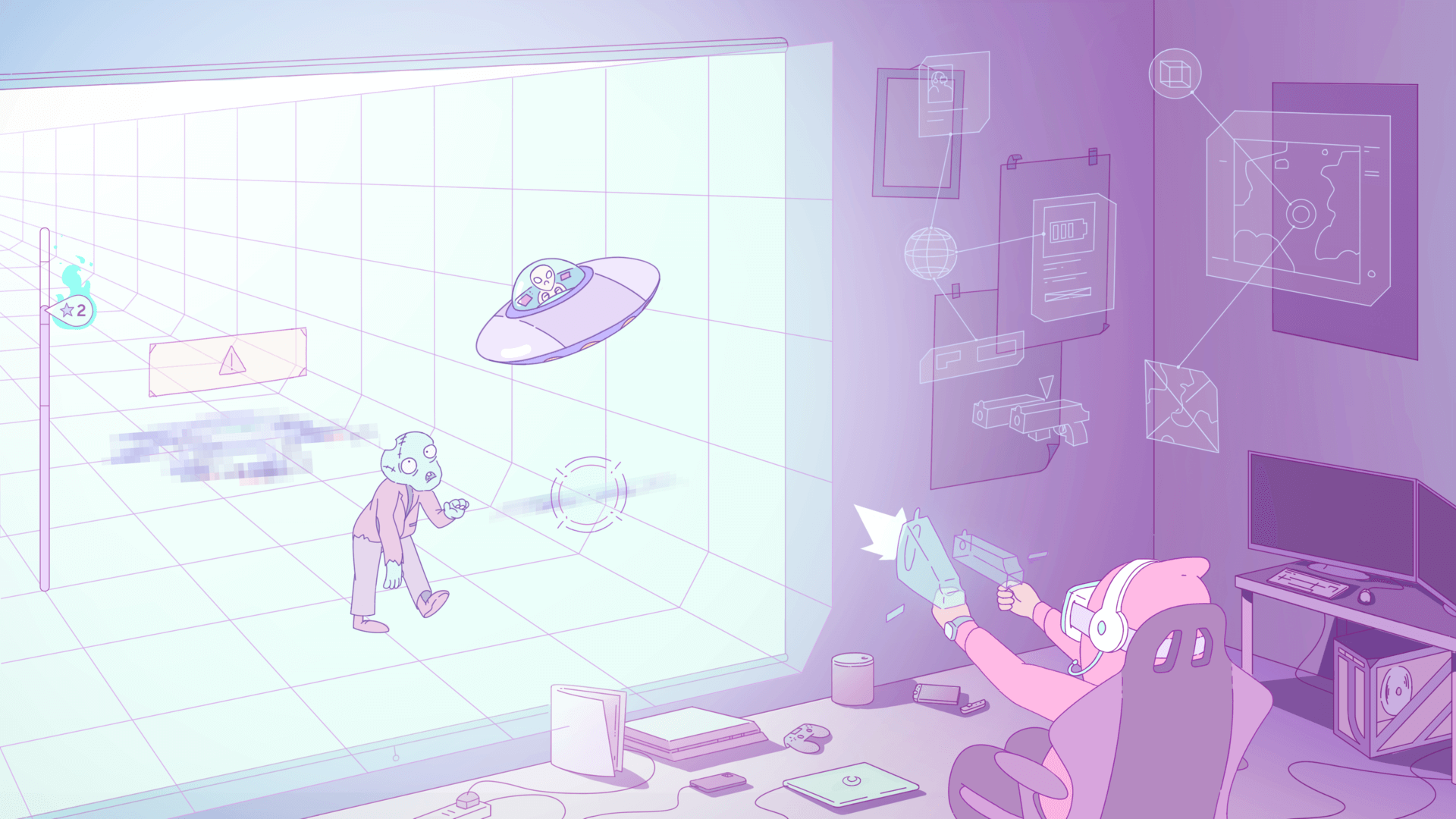
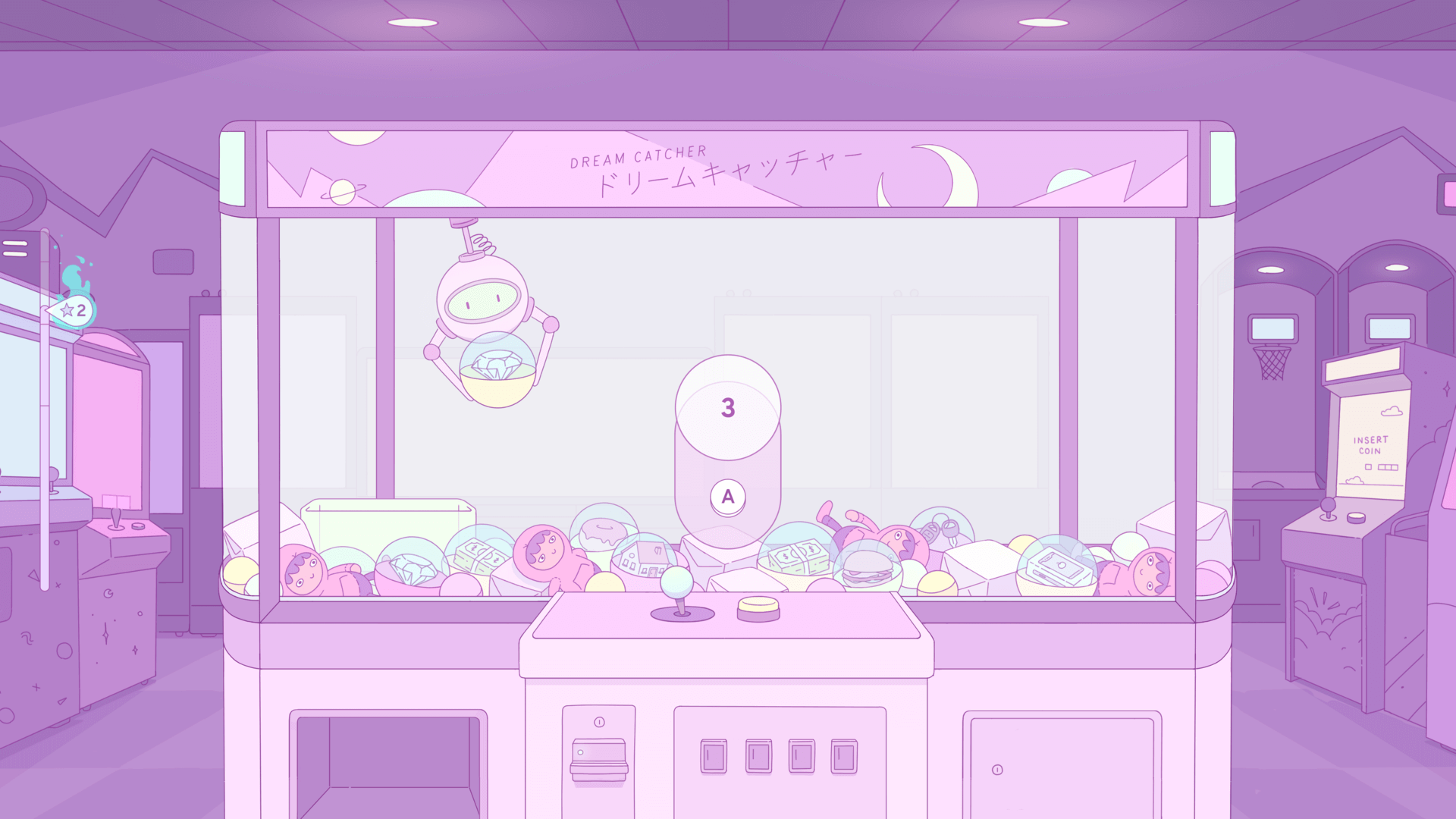
Meanwhile, Melatonin varies the interactions with each dream, with the patterns themselves varying throughout the song. For example, a dream about shopping might show players a pattern first, then have them swipe their credit card to match the pattern to buy trinkets. Meanwhile, a dream about time challenges players to wait until the pause in the beat to bat away a flying clock. A dream about exercise has players hitting shoulder buttons to flex their right or left biceps. Melatonin then ups the challenge by speeding up the song, slowing it down and messing with the prompts.
Melatonin‘s strongest Rhythm Heaven influence is in the nature of the these prompts. While most modern titles often use a standardized set of visual cues to tell players the timing of the beat, Melatonin challenges players to listen to the beat for their cue. Most stages vary or even hide the prompts at certain points, forcing a player to pay attention to the audio as much as the visual. Helpfully, the game doesn’t throw a player into the deep end, as there’s a mandatory practice stage for every song and an explanation on the nature of each mechanic.
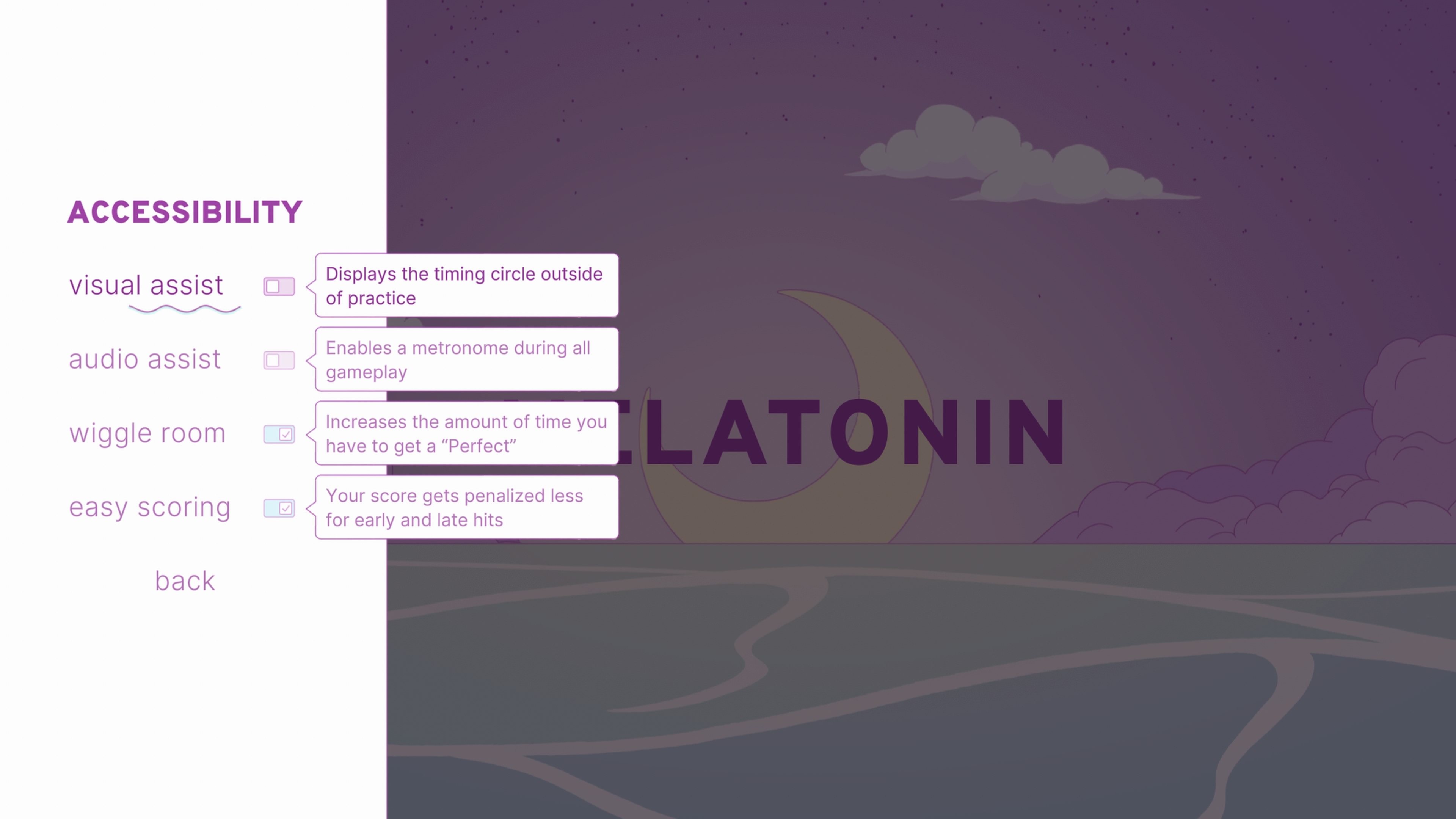
Melatonin also has assists that may help players with poor timing or those with disabilities. These can consist of adding a metronome beat, or permanently turning on the tutorial-style button prompts, which makes Melatonin a more “traditional” rhythm experience. Personally, I found the scoring assists which widens the “perfect” timing window to be the most helpful. Melatonin doesn’t penalize one for turning on assists either, which I appreciate as someone who was never a fan of the way some devs try to shame players who want to take it easy.
A while it’s a conceptually-perfect perfect love letter to Rhythm Heaven while still offering its own vibe, Melatonin isn’t free of the occasional sleep-disrupting issue. Without assists, play is surprisingly unforgiving on timing. Perhaps it’s just my own lack of skill (or my aging reflexes) but some stages were basically impossible for me to complete without turning on scoring assist. A few of the interactions also rely on an unintuitive understanding of the timing for their cues, as well.
Also, Melatonin is on the shorter side, clocking in at under three hours to get through all available stages. The included custom beatmap options and a personal quest to get a perfect score can add time to that number, but one could theoretically clear Melatonin in the time it takes to have a nice weekend nap.
With all that said, Melatonin never stopped putting a smile on my face. The pitch-perfect sound and visuals, along with the twist on Rhythm Heaven‘s under-imitated style make for a unique and memorable, if brief, experience. Consider it a compliment when I say that my time with Melatonin passed by like a pleasant dream.
Rating: 7 out of 10
Disclosures: This game is developed and published by Half Asleep Games. It is currently available for the PC, Switch and PS5. This review is based on a code provided by the publisher and reviewed on PS5. Approximately 2 hours of play were devoted to the single-player mode. There is no multiplayer mode. The game was completed.
Parents: This game is rated E by the ESRB, with content descriptors for Mild Fantasy Violence. The rating does not have a description, but if it did, it would probably read something like: “This is a story-driven rhythm game in which players control a young person in their dreams over the course of five nights. Players will attempt to hit buttons in time to the music and according to specific patterns in each stage. During the game the protagonist dreams of playing a video game where they shoot cartoon aliens.”
Colorblind Modes: The game has no colorblind modes.
Deaf & Hard of Hearing Gamers: Gameplay relies heavily on using audio cues, and in its default mode will gradually hide visual cues to further challenge the player. Assists are available in the accessibility menu to permanently enable visual timing cues, making the game playable for players that are deaf or hard of hearing. There is no voiced dialog in the game, and all text is rendered onscreen. This game is fully accessible (with the appropriate features turned on.)
Remappable Controls: This game’s button controls are not remappable.

Today he continues to write for a living while trying to turn his fledgling knowledge of Japanese into a marketable skill. He is Managing Editor of Japanese culture site Japanator and is a Contributing Editor for Destructoid. He has written for The Escapist, The California Literary Review, Esquire Magazine, and proudly holds the badge as the premier apologist for Star Trek Online.
- Tsukihime -A Piece Of Blue Glass Moon- Review - July 30, 2024
- Melatonin Review - May 21, 2024
- The Invincible Review - December 21, 2023