Rogue Tiles
HIGH Stomping the Dungeon boss as the Order.
LOW Basically every time I fought the frustrating Keep boss.
WTF Why is the river such a weak terrain?
Given the opportunity, a random number generator will screw a player over. Games that lean heavily on randomization, such as roguelikes, fundamentally must balance the inevitable frustration of busted runs with a compelling experience of play. Many games meet that standard, but unfortunately Drop Duchy falls just short.
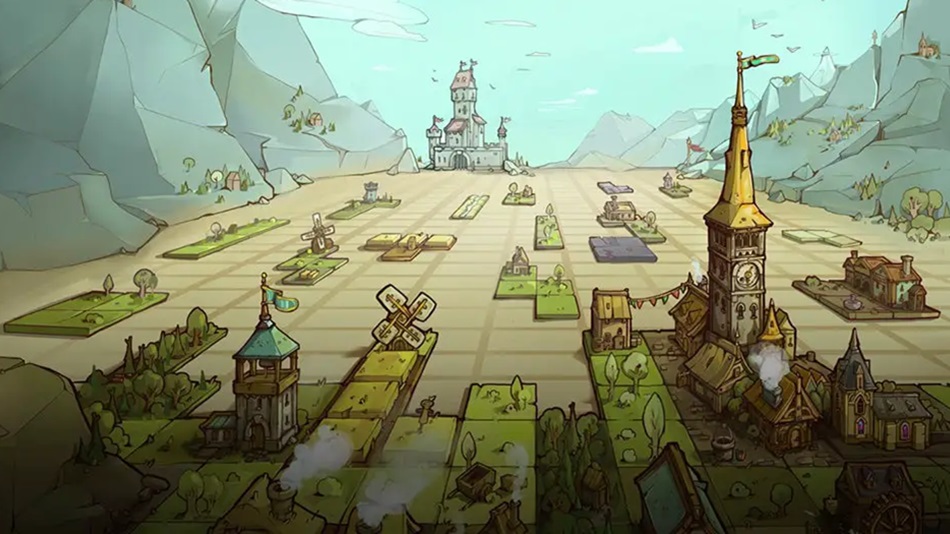
Like most roguelikes, Drop Duchy is built around performing repeated runs — in this case through a lightly-randomized series of combat rounds and resource pickups, and three fixed bosses. The setup for combat will be instantly familiar to anyone who has played Tetris – tetrominoes appear at the top of a field of play and can be rotated before dropping them to the bottom to build complete rows.
The tiles consist of various kinds of terrain and the buildings that interact with them. For instance, a Farm transforms surrounding Plains tiles into Fields, giving a bonus to a Watchtower that gains more units from the latter terrain type. As enemy buildings drop too, arranging tetrominoes so that the terrain benefits the player and not the enemy is a key strategic goal.
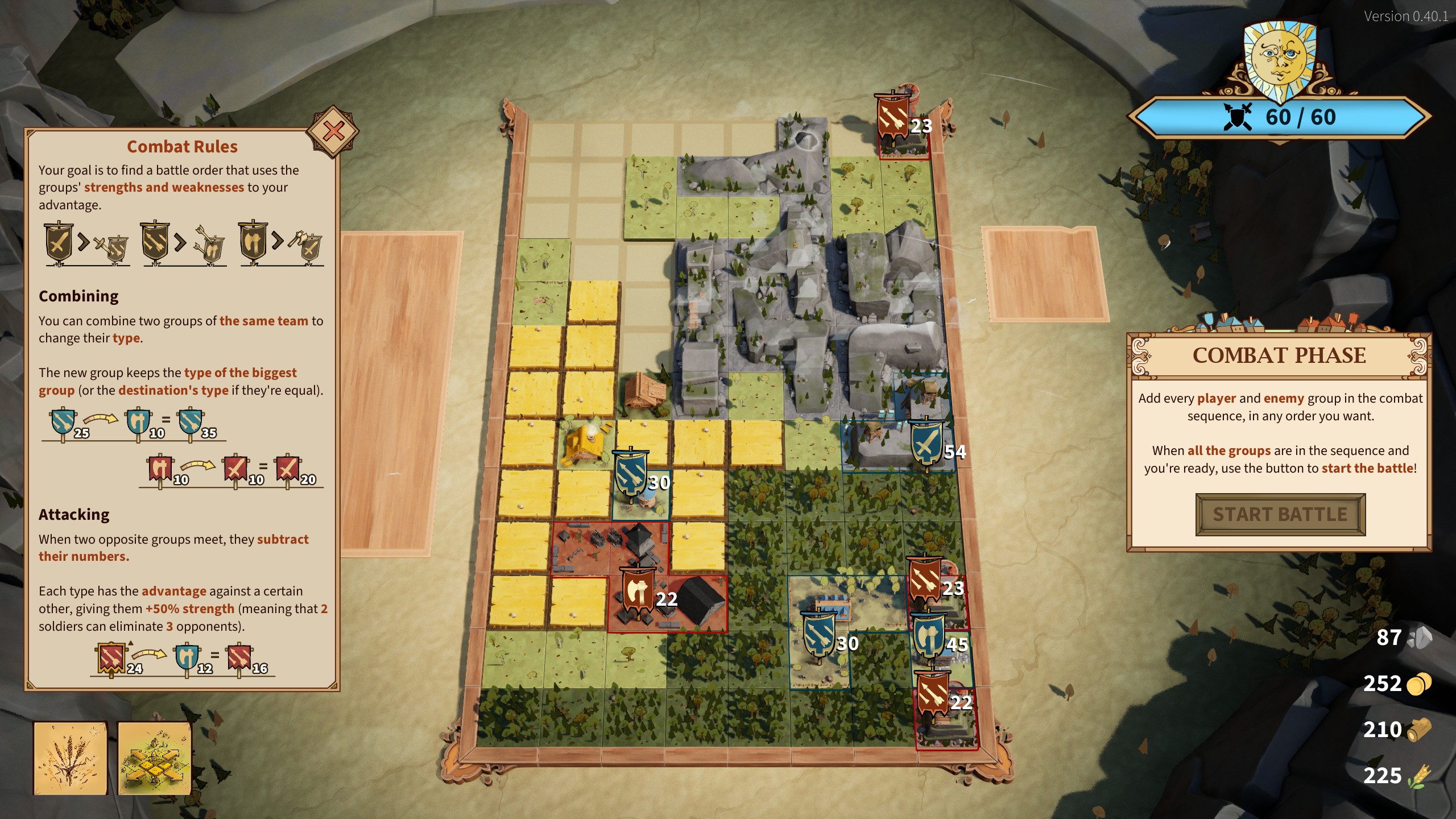
In Drop Duchy, completing a row harvests the resources of the terrain (such as grain coming from Fields or Plains) rather than making it disappear. An empty tile prevents harvest, and there’s no way to “uncover” a mistake. Once the tiles reach the top of the play area, the round ends and the player can send military units from his buildings to take on those in enemy buildings (with a classic rock-paper-scissors vulnerability system). The reward for victory is a selection of new buildings or technologies that give passive boosts.
The individual rounds can vary greatly depending on the array of terrain available, but are generally unlikely to end a run and feel too relaxed. The bosses have unusually-shaped fields of play and mostly depend on penalizing the player for putting tiles in forbidden zones. I enjoyed two of the bosses, but I felt that the second boss was poorly tuned, with too much excluded space and penalties that were too stiff for violating it. Many of my runs ended there.
That nonetheless meant that most of my runs exceeded 30 minutes – almost as long as the longest game of Tetris ever played. It’s to its considerable advantage that most games of Tetris are considerably shorter than that: the low stakes make it easier to laugh off the brutal unfairness of the RNG. The time investment of a failed run of Drop Duchy makes it feel inordinately bad to receive, say, an unlucky run of S, Z, and O-shaped tetrominoes in a boss level.
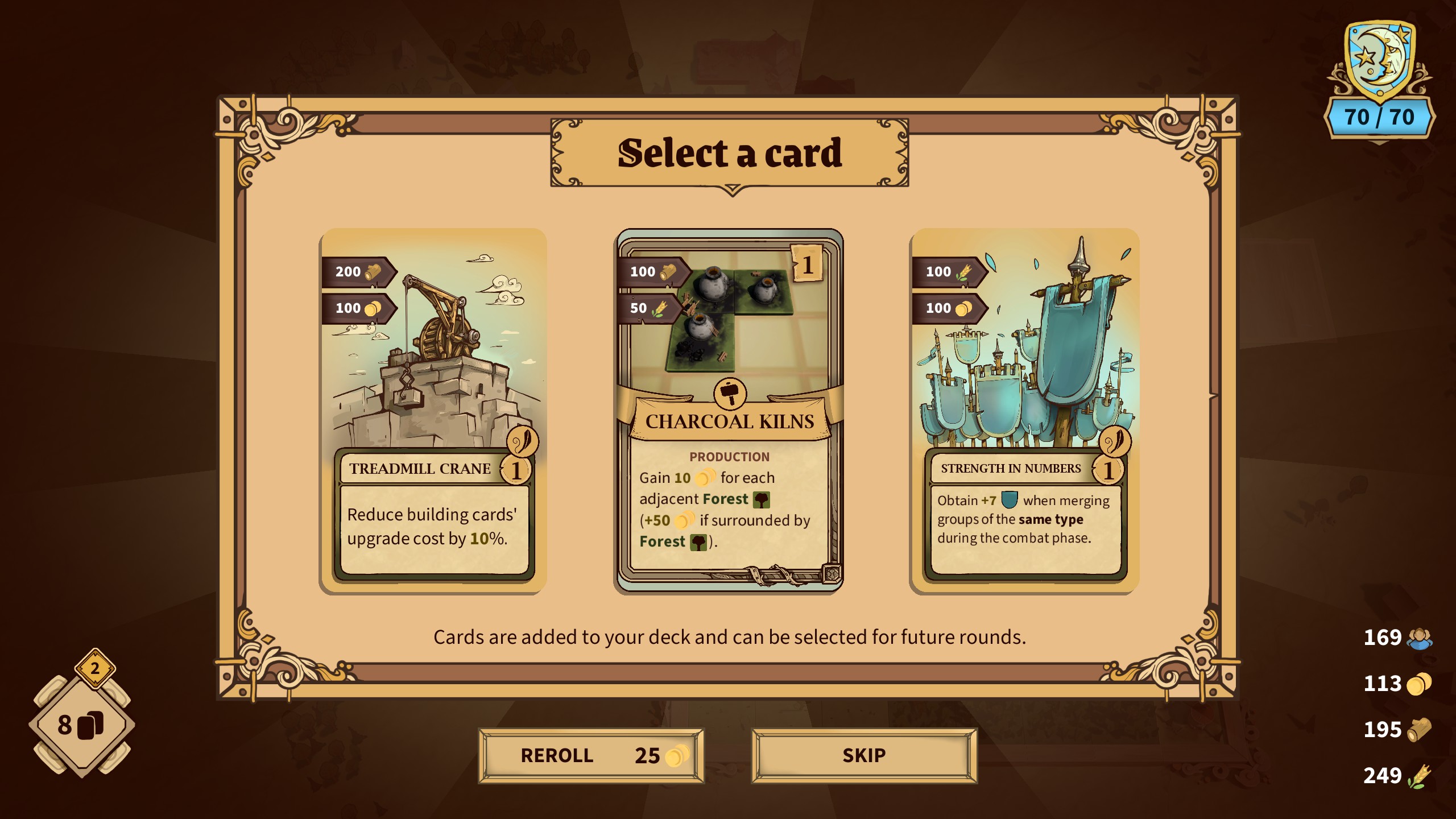
The salve for a failed run is intended to be advancement along Drop Duchy’s progression tree, which is unlocked by fulfilling its many Challenges, which range from gathering certain amounts of a resource to performing particular tricks with certain buildings.
Unfortunately, unlocking new elements didn’t always feel like progress. Gaining the river terrain complicates the earlier parts of the run with few benefits. Most cards interacting with this terrain are not strong and are entirely ineffective if there are less than 15 contiguous river tiles, making them high-risk, mid-reward selections.
New mechanics like Faith have few benefits until the player puts large numbers of the associated buildings into his limited set of tiles. If they don’t turn up, the result is a busted run. Outside of runs with their associated faction, these tiles mostly feel like they’re taking up space.
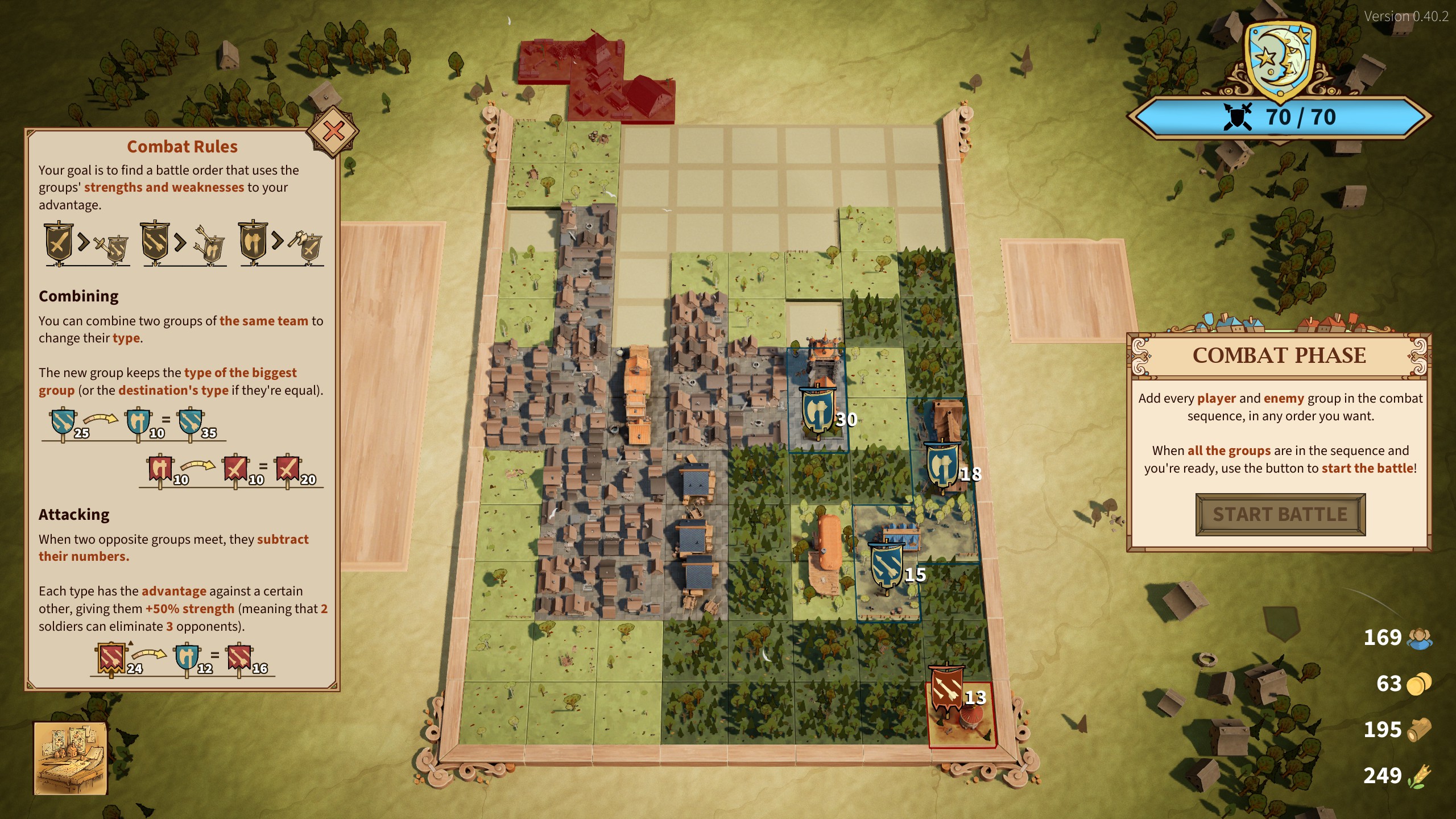
Even the sheer number of new buildings and techs gets in the way, pushing the encounter frequency of the most useful buildings down significantly. As I got further and further along the progression tree, busted runs where I simply never got offered useful military buildings became too common. When I did get a strategy going, I often found myself in a trap where I couldn’t get the additional buildings I needed to strengthen it. This became another reason to dislike the river — after a while I simply stopped regularly pulling buildings that could make use of it at all.
The unlockable factions are a mixed bag as well. From the start, one can choose the Duchy faction, which relies on small, agrarian buildings that accrue resources easily and are easy to place in the boss fights. The late-unlocking Order synergizes neatly with the otherwise-troubled Faith system and also features a number of interesting upgrade and harvest abilities.
The Republic faction, on the other hand, relies heavily on large buildings and on transforming terrain into “town”, making it unusable for many other buildings. This faction was especially difficult to use against the second boss.
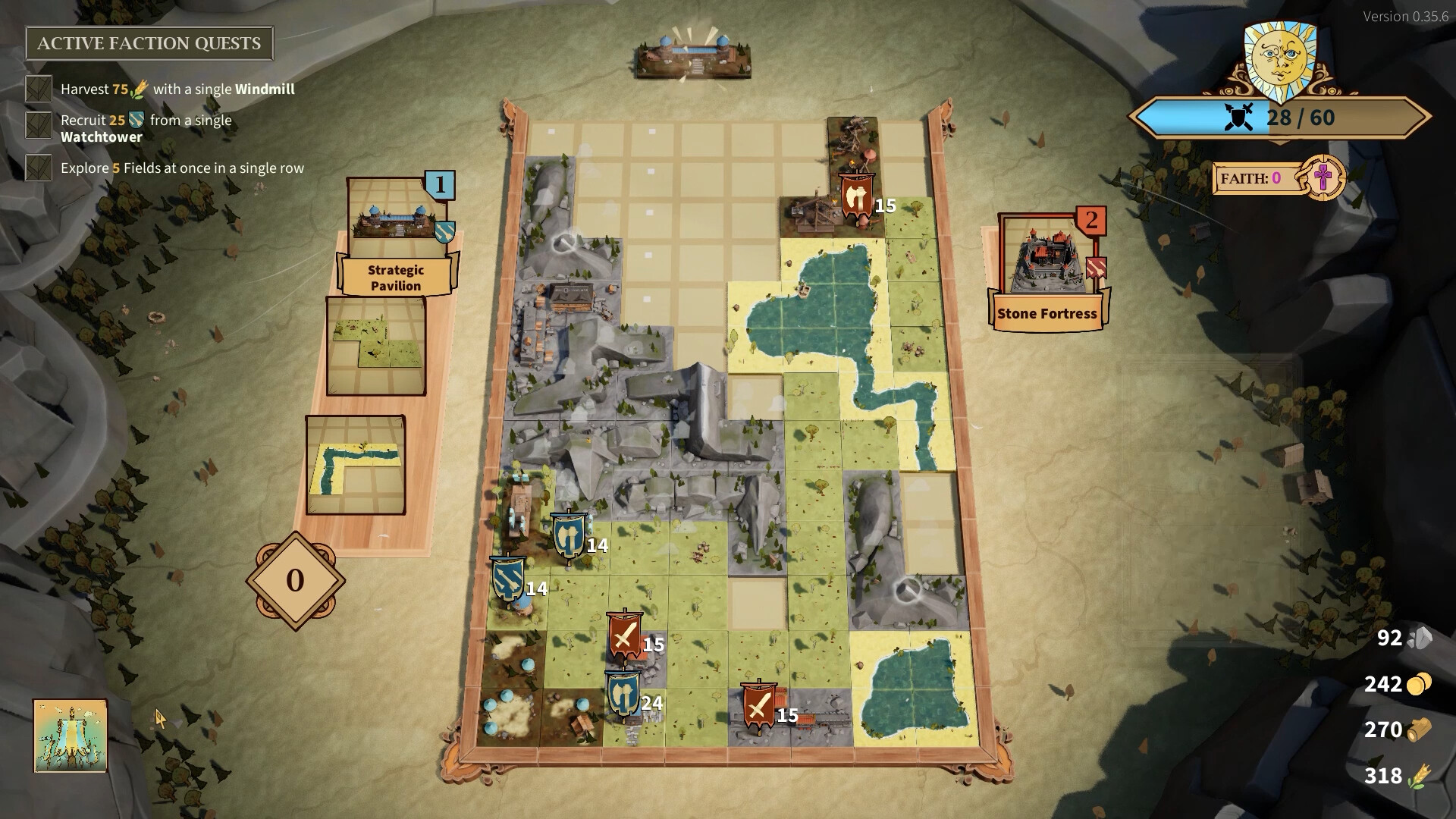
Sometimes a roguelike can pull a player back in with aesthetic components, but Drop Duchy doesn’t really offer anything compelling. The terrain is largely dull, though at least the mountain tiles vary entertainingly. The buildings are nicely drawn but not especially memorable and they don’t do anything interesting like change based on faction or upgrade level. The music is fine, but there’s just not enough character in the graphical design to make that next run feel necessary, and no story to speak of.
Drop Duchy attempts to ease the hard feelings of a busted run with its progression-unlocking Challenges, but the proliferation of new features feels like it dilutes rather than strengthens subsequent runs. As a consequence, Drop Duchy falls too far into the frustrating regime of RNG-dominated games. There’s an interesting concept here, but Drop Duchy lacks the kind of snappy gameplay or compelling aesthetic that would sustain it through the unfairness of waiting in vain for that dang line piece that just won’t drop.
Rating: 6 out of 10
Buy Drop Duchy – PC
Disclosures: This game is developed by Sleepy Mill Studio and published by The Arcade Crew. It is currently available on PC via Steam. This copy of the game was obtained via publisher and reviewed on a home-built Windows 11 PC equipped with a Ryzen 7 processor, 64 GB RAM, and a single GeForce RTX 3080 Ti graphics card (with various 576.x drivers). Approximately 20 hours of play were devoted to the single-player mode, and the game was not completed (all factions and game modes were played and ~80% of the progression tree was unlocked). There are no multiplayer modes.
Parents: As of press time this game has not been rated by the ESRB. Beyond simply acknowledging the existence of armed conflict and religious heresy, there’s nothing here to object to.
Colorblind Modes: There are no colorblind modes available.
Deaf & Hard of Hearing Gamers: This game has no dialogue nor are there any significant sound cues. Therefore, it is fully accessible.
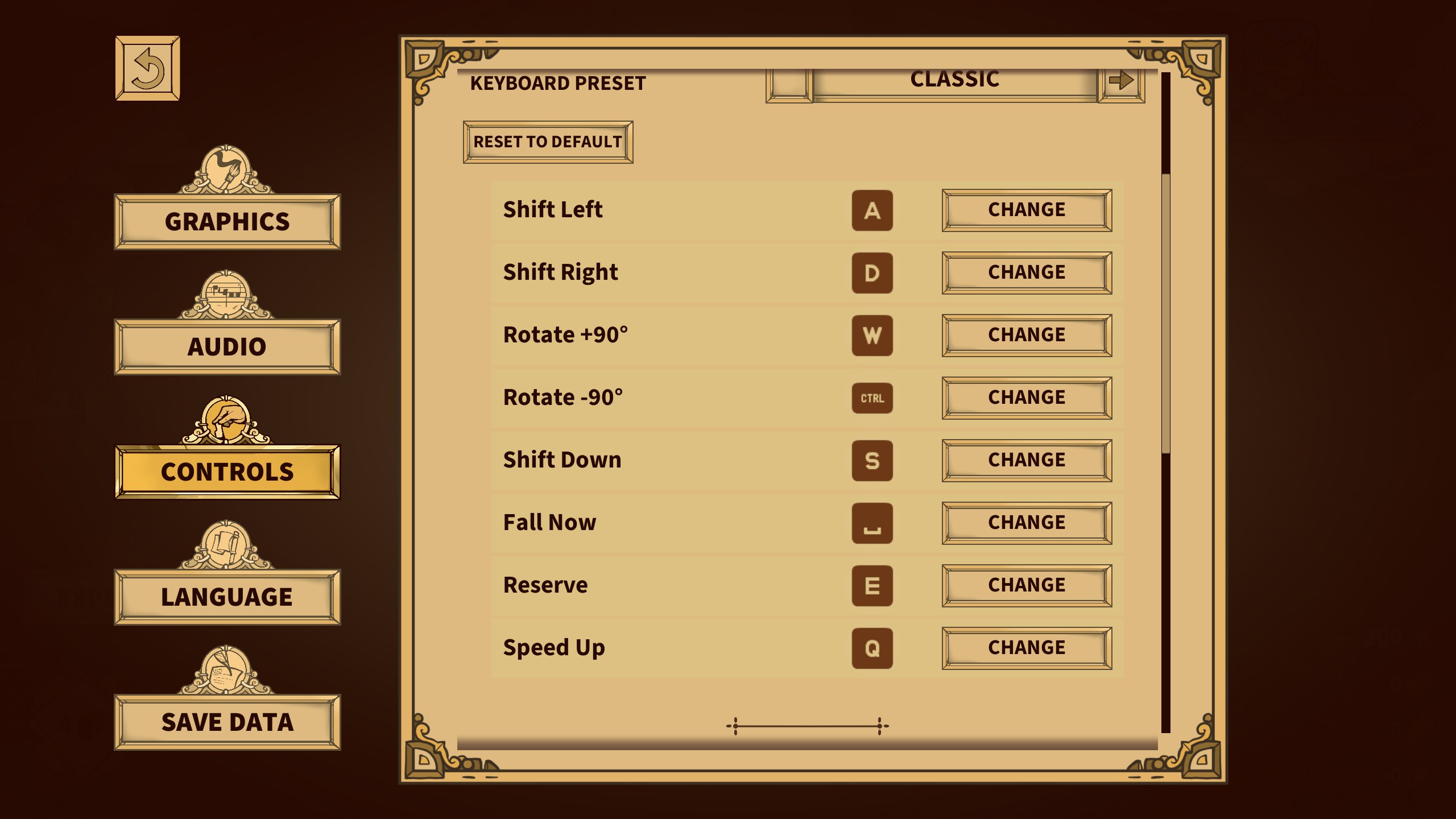
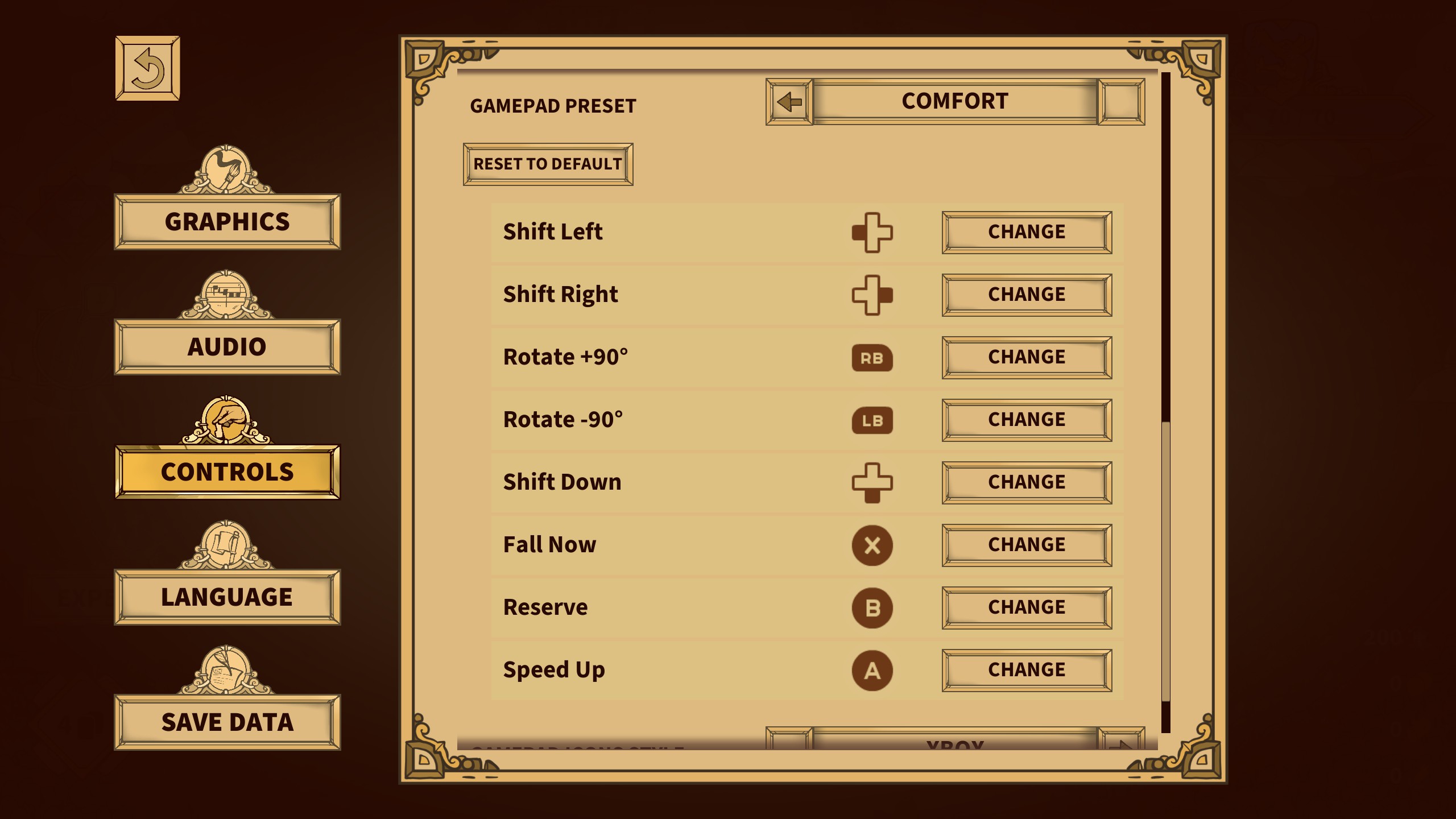
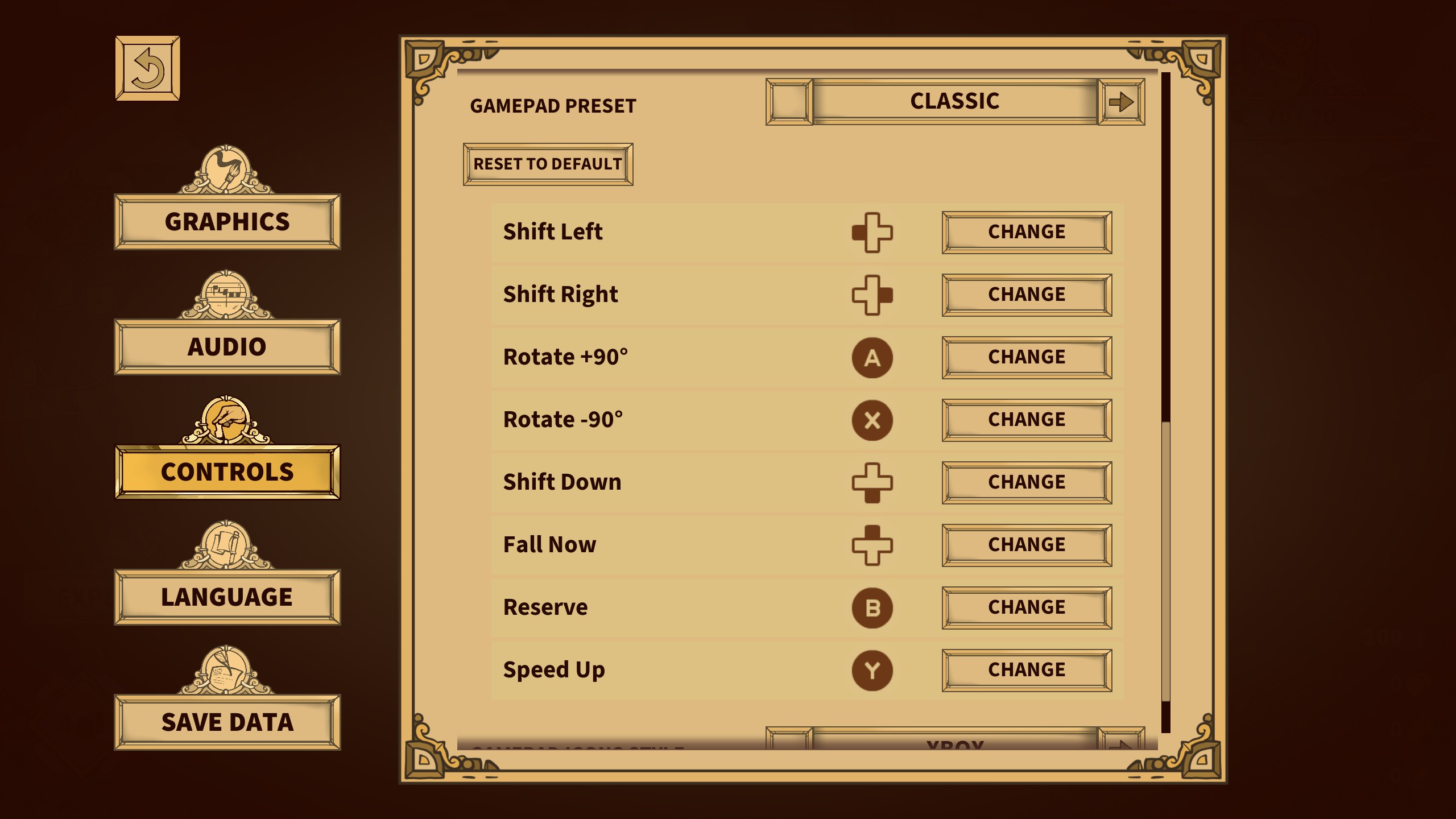
Remappable Controls: Yes, this game offers fully remappable controls.

Currently Sparky works as a scientist in Rhode Island, and works gaming in between experiments and literature reviews. As a writer, he hopes to develop a critical voice that contributes to a more sophisticated and interesting culture of discourse about games. He is still waiting for a console port of Betrayal at Krondor.
- Little Laps Review - December 10, 2025
- Becastled Review - December 1, 2025
- Drop Duchy Review - May 6, 2025