Bouncing Back
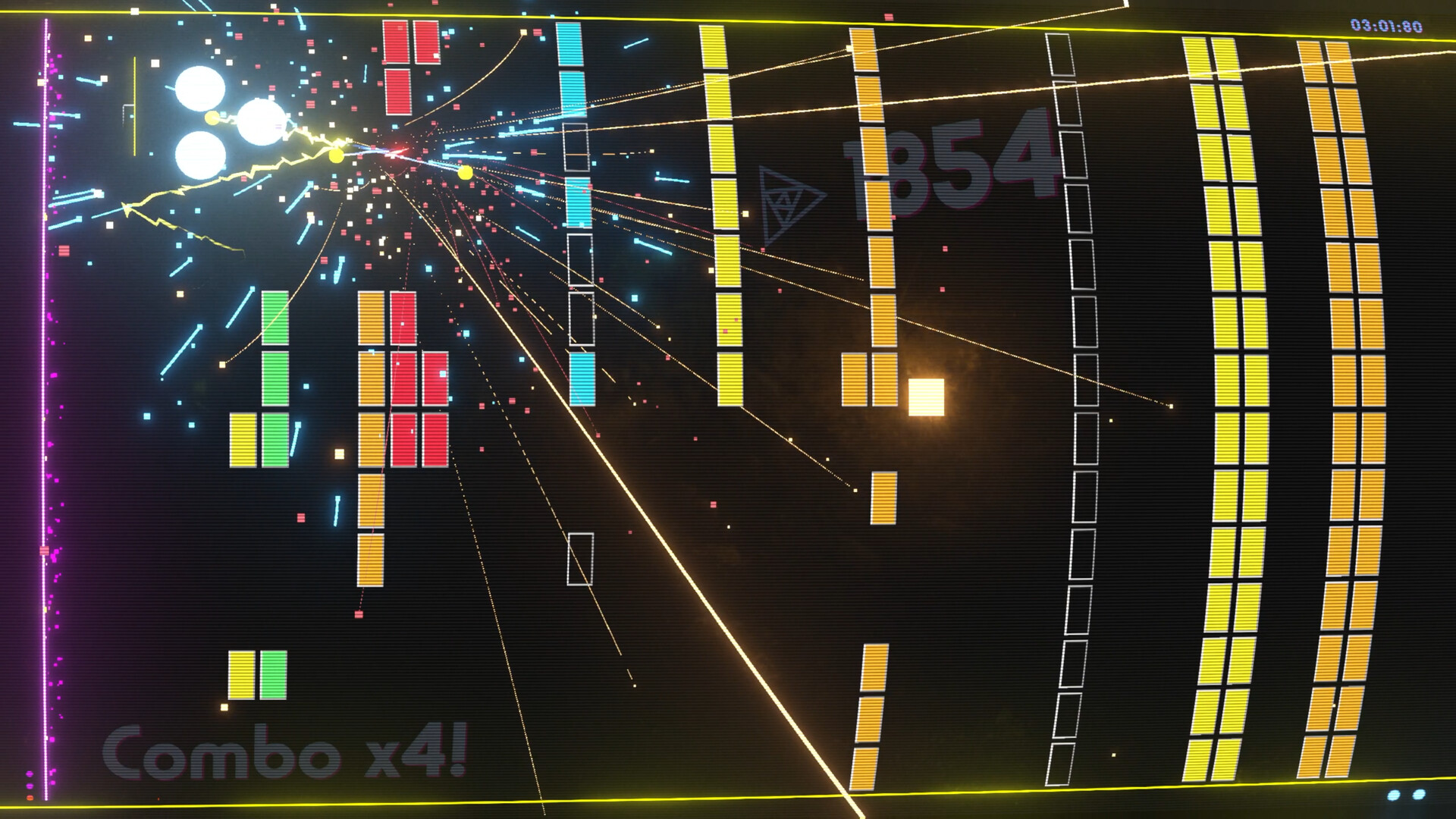
HIGH The lightning bolt effect when a ball hits top speed.
LOW The absurdly difficult third stage.
WTF The fart noise that occasionally plays when losing a ball.
I learned many things in my time with Breakout Beyond, the first of which being that I am not good at Breakout Beyond.
I came to this realization early on, as I remained stuck on the third stage for over 30 minutes (as a point of reference, most levels take around two minutes to finish). Thankfully, subsequent lessons were kinder. I realized, in their reimagining of the original Breakout, that the developers at Choice Provisions were less focused on replicating the twitchy, skill-based play of the Atari classic and more interested in crafting an aesthetic journey rooted in strategy.
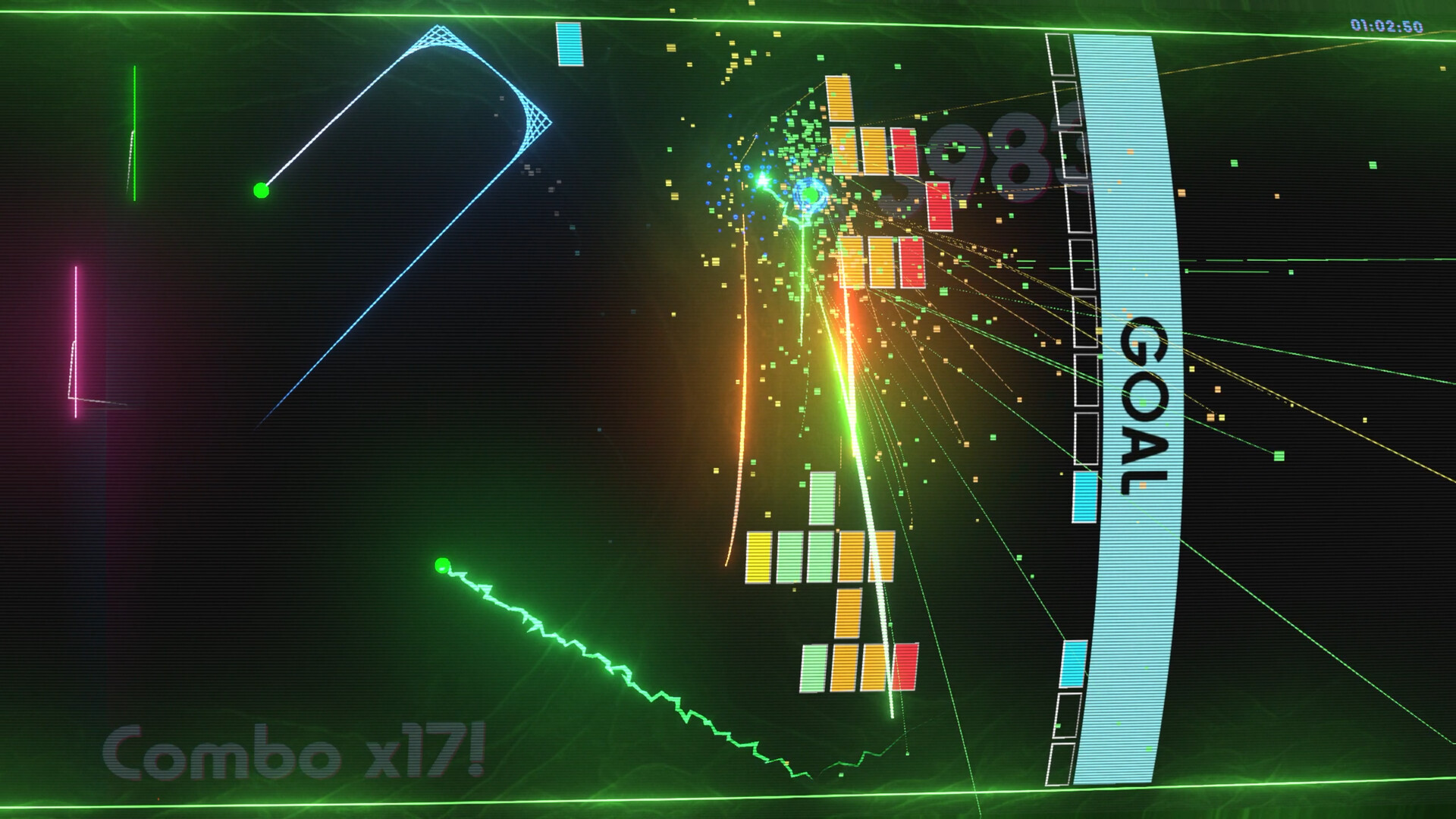
The basics are familiar enough — controlling a paddle on the left side of the screen, players try to keep a ball in play long enough to break through a wall of bricks on the opposite side. The paddle only moves up and down, but can be sped up to reach snappy ricochets, and time can be temporarily slowed when things get too hectic. Particularly skilled players can apply spin to the ball, curving it around obstacles to hit hard-to-reach bricks.
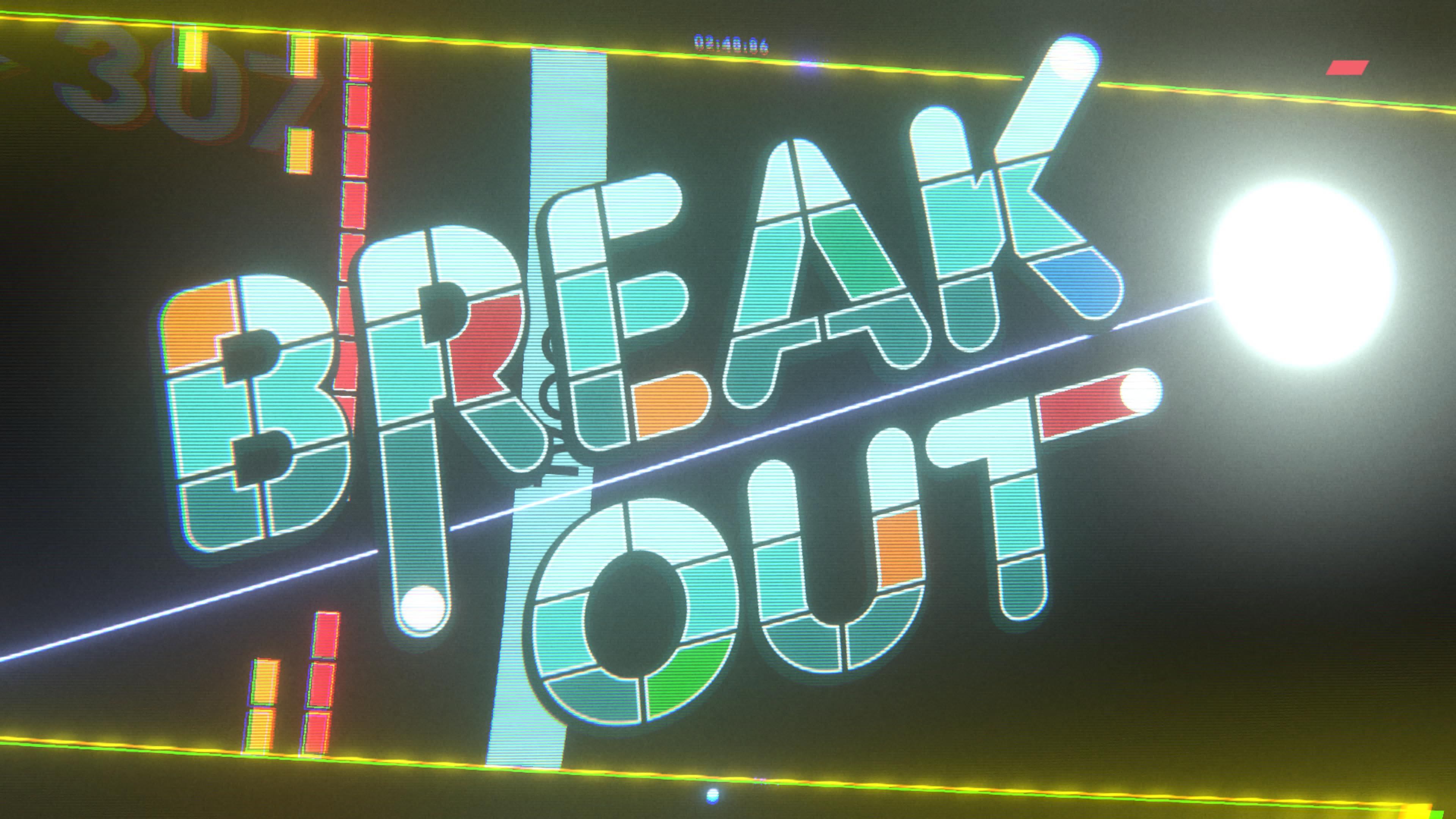
While the mechanics don’t stray far from the 1976 original, it’s the aesthetic design that immediately sets Breakout Beyond apart. The yellow afterglow of the ball bouncing back and forth illuminates scratches, cracks, and smudges across the screen. Crisp and vivid vector lines form the boundaries of the playfield, shimmering with every collision. The reverberation of the ball striking the paddle is both visual and auditory as it blends with the thrumming synths to create a cohesive, reactive soundscape. Scanlines and the simulated CRT glow round out the illusion, and despite Breakout being more than ten years my senior, I am flooded with phantom memories of hazy neon and nicotine-stained arcade cabinets.
The primary mode, Voyage, takes full advantage of this presentation as its 72 levels evolve over time. The visuals and soundtrack grow in intensity across those stages, peaking in the later levels with lurid, over-saturated colors that ripple along with the bassline. In these final areas, tracking the ball’s trajectory becomes a secondary concern as the blown out, phosphorescent lines coalesce into a beautiful blur.
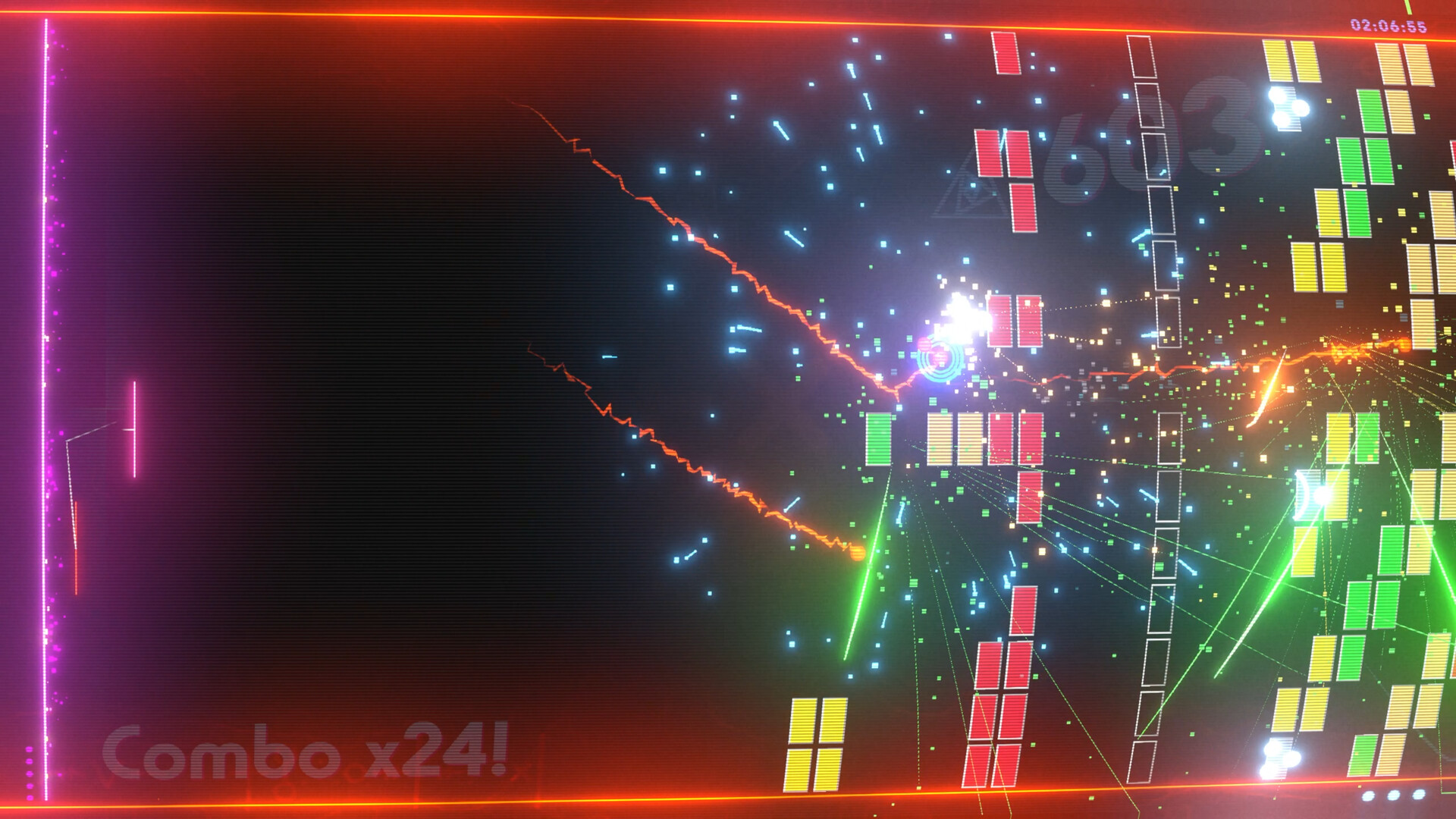
Beyond the stylistic elements, level design belies Breakout Beyond’s score chasing roots. While steady hands and quick reflexes are still needed, an emphasis on creating chain reactions with power-ups introduces a strategic element to Breakout Beyond that feels at once fresh and frustrating. Each stage is populated with static power-up bricks such as the multi-ball which spawns additional balls into play, or the shield which can help keep those extra balls on the map. Complicating matters are the purple question mark bricks — these can be filled with any power-up the player has unlocked to that point.
Stringing these power-ups together becomes the primary means of progression, as players are unlikely to be successful through brute force alone. I often found myself stuck on a stage, only to discover that switching my selected power-up was enough to win after a dozen failed attempts. Sometimes this was as simple as selecting the drill to punch through the final bricks without rebounding, other times success relied on creating a domino effect of bombs triggering one another across the screen.
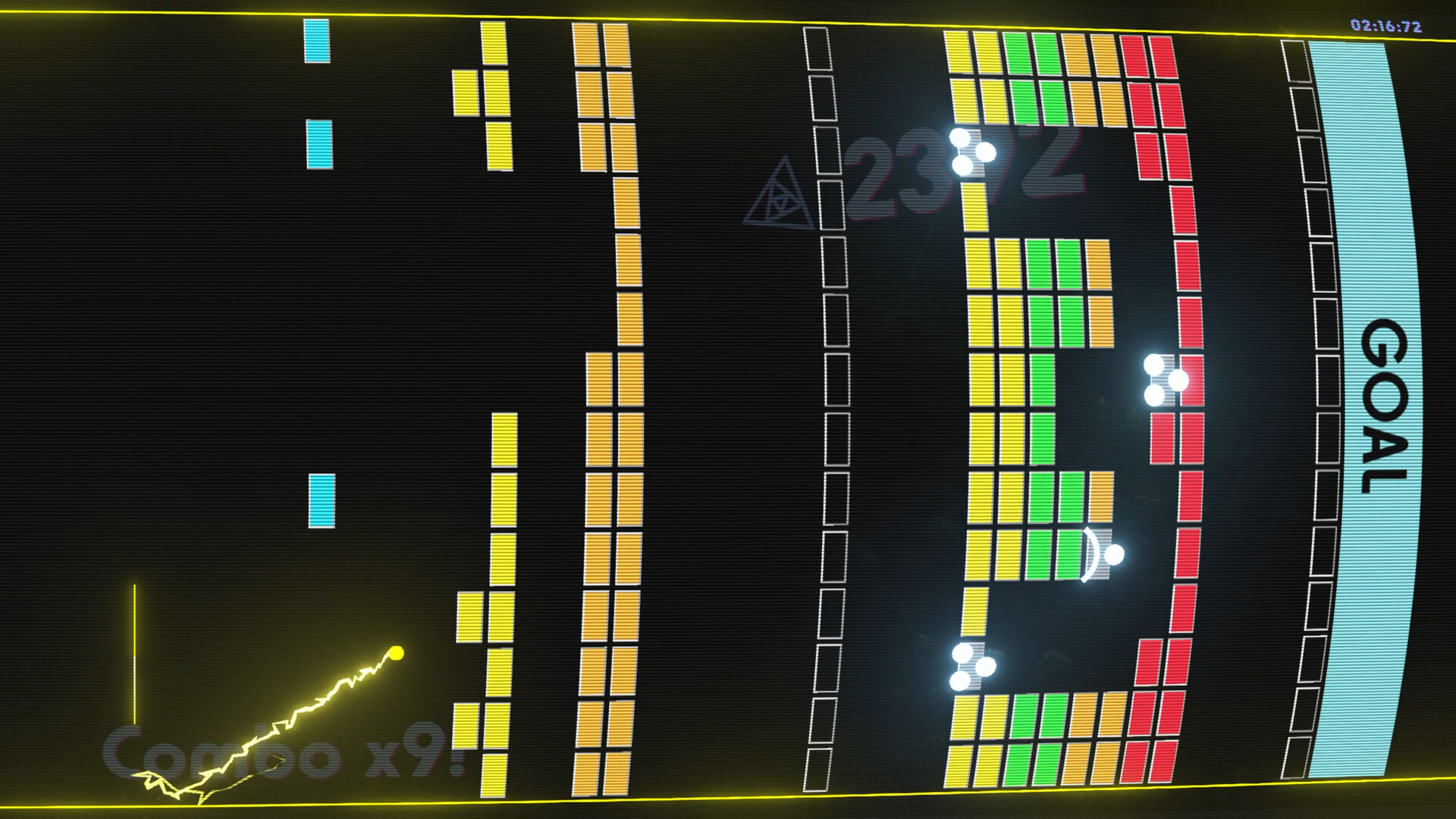
This emphasis on strategic choice is intriguing, and the most effective chain-reactions play well with the aesthetic emphasis — ten balls ricocheting around the level, neon light pulsing with each bounce, is quite the sight. However, I found this solution-oriented focus didn’t always gel with more reflexive play. Advancement often became a matter of trial and error as I cycled through power-ups waiting for the right one to carve my path to freedom. Upon finding it, the screen would often devolve into a chaotic blur of light and sound, only to clear on the victory screen, leaving me in a state of bewilderment. The satisfaction of seeing the bricks disintegrate in such splendor is overshadowed by the nagging sensation that it wasn’t brought on by my hand.
This blend of strategy and dexterity results in an experience that is consistently interesting to see and hear, but not always as engaging to participate in. While the mechanics complement the aesthetics, I never felt as though these elements were as in sync in my hands as they were on the screen. Victory often felt arbitrary in Breakout Beyond, and though my skills did develop over the course of my journey, I never felt as though they factored into my success or failure.
Rating: 7 out of 10
— Ryan Nalley
Buy Breakout Beyond: PC – PS – XB – SW
Disclosures: This game is developed by Choice Provisions and published by Atari. It is currently available on PS4/5, XBO/X/S, Switch, PC and iOS. This copy of the game was obtained via publisher and reviewed on the PS5. Approximately 13 hours of play were devoted to the single-player mode, and the game was completed. 30 minutes of play were spent in multiplayer modes.
Parents: According to the ESRB, this game is rated E. This game contains no violence, language or other objectionable content. The gameplay consists entirely of bouncing a ball back and forth to break blocks and should be appropriate for all players.
Colorblind Modes: There are no colorblind modes available.
Deaf & Hard of Hearing Gamers: While there is no traditional dialogue in this game, there are several instances where words are spoken aloud. In all of these cases those words are also written across the screen in large text. This text cannot be resized. All auditory cues are also represented by on-screen indicators, this game is fully accessible.
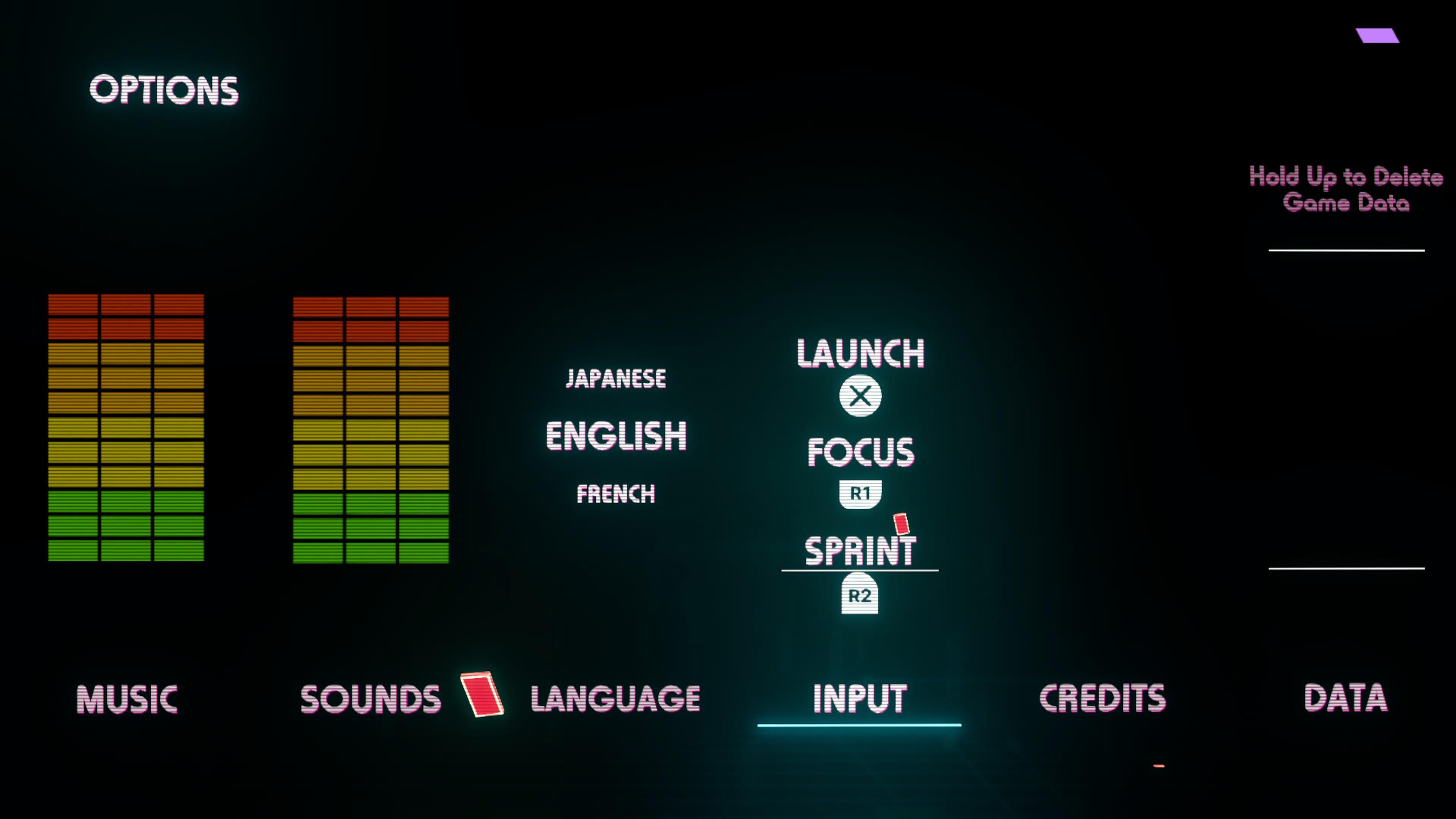
Remappable Controls: Yes, this game offers fully remappable controls.

Following this introduction, Ryan dove headlong into the 16 and 64-bit eras, culminating in the year 2000 with a fateful visit to the local game shop.On the recommendation of a saintly store clerk, Ryan picked up a copy of Deus Ex and, shortly thereafter, embarked on the vain quest to find a game that tops it.
This journey has led Ryan to GameCritics where he attempts to articulate why he still finds this medium so compelling.When not playing or writing about games, Ryan can be found watching competition reality television with his wife, their dog, and three cats.
- Blood West Review - November 23, 2025
- Easy Delivery Co. Review - September 30, 2025
- Misc. A Tiny Tale Review - September 23, 2025