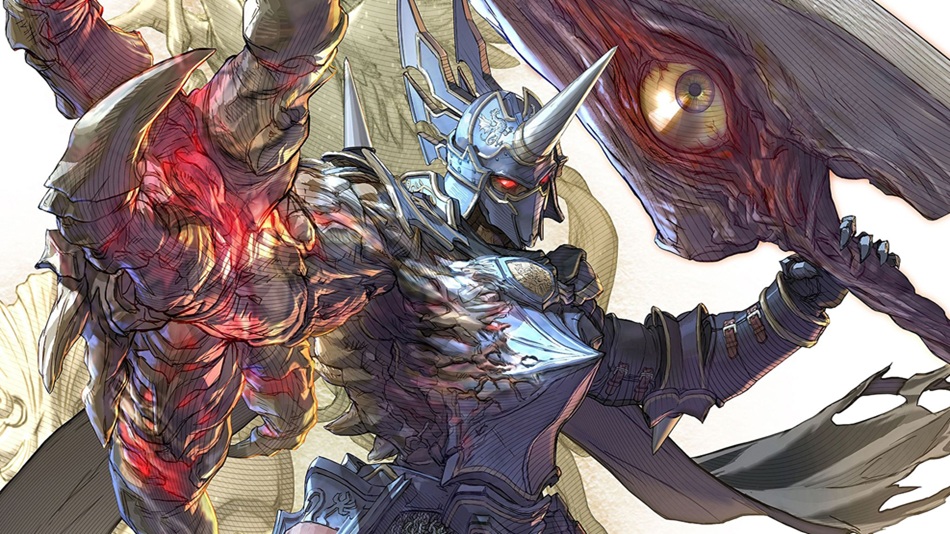
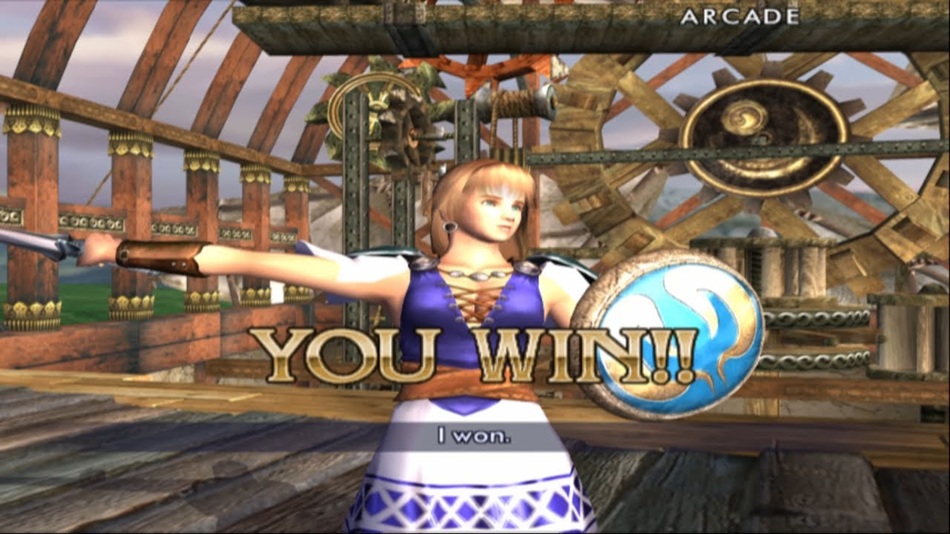
Fighting games were never my specialty. My childhood best friend would always beat me at Soulcalibur II, no matter which character I picked – Astaroth’s axe could only take me so far, and Raphael could never save me from defeat. However, despite my struggles, I still came back to it… and many others like it.
While the competitive side of me wanted to improve at Soulcalibur, another part of me genuinely enjoyed the storytelling.
Fighters might not seem like they have substance beyond the mechanical aspects needed for mastery, but many of these titles offer so much more than just that. In addition to wild combos and flashy finishers, devs frequently give us character arcs and varying perspectives, which I find fascinating.
Soulcalibur was the first fighting game that won me over at a young age. From the first installment in 1998 to Soulcalibur VI in 2018, the plot has been compelling for over two decades.
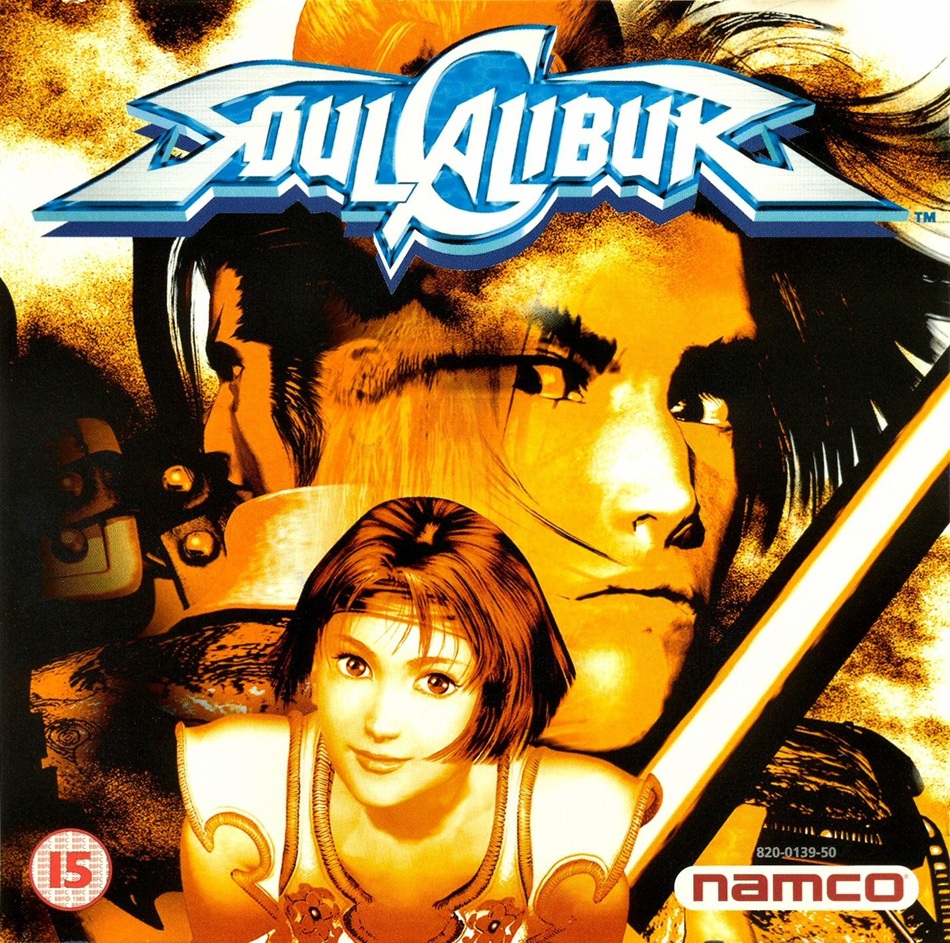
The first Soulcalibur revolves around Soul Edge, a cursed sword that taints its owner and offers unlimited power. The weapon has corrupted a knight named Siegfried, who has turned into a bloodlusting monster named Nightmare due to its influence. While he’s already succumbed, Siegfried is determined to redeem himself and break free from its control.
The supporting cast have their own agendas. Heroes in Soul Edge want to destroy Nightmare and the sword, whereas others want to steal the sword’s power and claim glory for themselves.
Ultimately, the only way to stop Soul Edge is to wield Soulcalibur, an opposing holy sword. Along the way and through various sequels, we meet characters like Ivy Valentine and Xianghua, who fight to destroy the evil weapon and protect others from it.
The younger me enjoyed this plot, but focused more on the fighting aspect. However, the older and wiser version of me appreciates each game’s lore and how it all interconnects. With a wide cast typical of most fighting titles, players get different perspectives and viewpoints, enriching the experience.
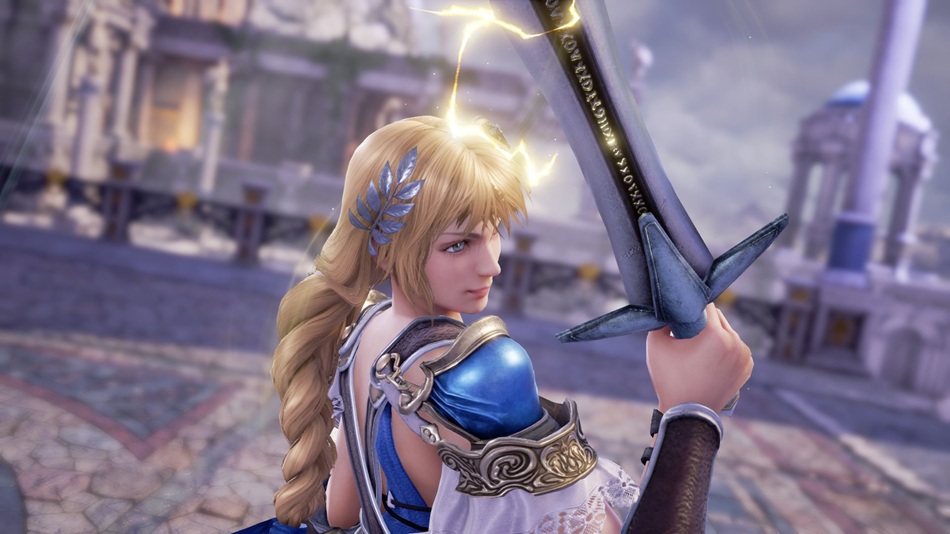
In a way, I also felt like I grew up with the franchise. For example, Soulcalibur II was the first one I played when I was a kid, and it introduced me to Greek warrior Sophitia Alexandra. By the fifth game, we got to see her children, Patroklos and Pyrrha. While Soulcalibur V wasn’t a huge success, it provided nostalgia and plot continuity that kept me coming back.
While Soulcalibur was my first exposure, other titles made me appreciate the genre for more than just the battles. Tekken is one that has a special place in my heart.
I remember playing it on my dad’s PlayStation when I was too young to really know what I was doing, and I certainly didn’t grasp the more serious plot points. However, as I went through grade school, I connected the dots and realized how excellent its storytelling has been.
In this franchise we get plenty of drama worthy of a Shakespearean play with the Mishima and Kazama families. I remember my first time playing Tekken 2 and feeling shocked at seeing what Kazuya did to Heihachi — after defeating his father in the tournament, Kazuya threw Heihachi off a cliff, cementing a brutal cycle of betrayal and revenge within the Mishima family as one of the most important and frequently recurring plot points of the Tekken series.
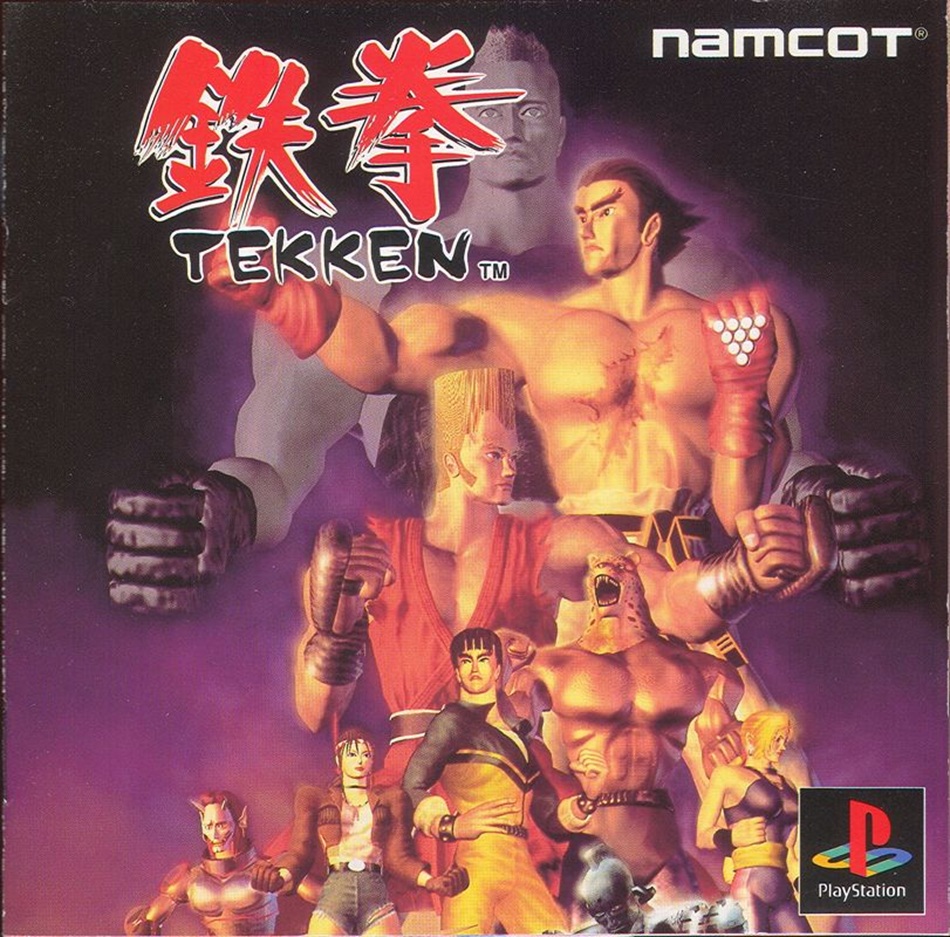
Further, each sequel expands on core concepts like the Mishima Zaibatsu’s global influence and how they use it to host the King of the Iron Fist Tournament. This competition (and the premise of every Tekken installment) is that the event brings in fighters from around the world to win fame and money, but it’s also a vessel for the family’s power struggles and world domination plans. That’s a plotline I’d expect from an HBO show like “Succession.”
There are smaller stories in Tekken, though, to be sure. Take Anna Williams, who didn’t have much of a backstory in the first game. However, she quickly became an important figure when she thwarted her sister, Nina, from assassinating Heihachi in the Iron Fist Tournament.
Through the franchise, we’ve seen expansion on her grudge against Nina, her life as a bounty hunter and a rekindling of the siblings’ intense rivalry in Tekken 5. Fast forward to Tekken 8, and her DLC return as the game’s 37th character features an Anna that has evolved drastically from the one we were introduced to years earlier.
Anna and Nina have had a compelling rivalry for 30 years, and it hasn’t gotten old. I love seeing the clash of love-hate relationships in games, and while it might be relatable because of my own siblings… well, that’s beside the point.
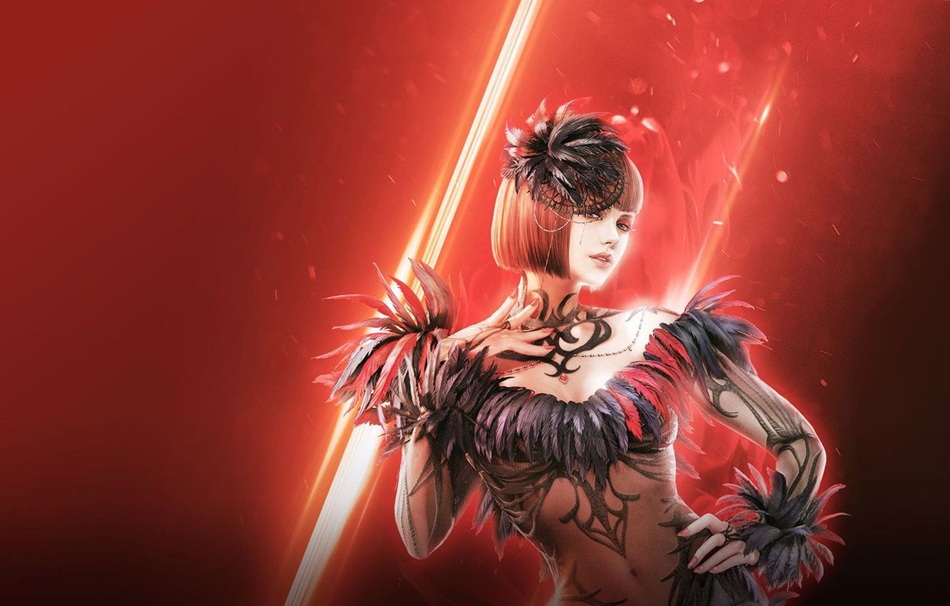
While the two sisters captured my attention, there are plenty of stories for everyone to get caught up in through other franchises as well, not least of all, Mortal Kombat. For years, I associated it with spending a couple of quarters after eating Chuck E. Cheese pizza or throwing bowling balls in the gutter, but it doesn’t take long to see that the story is a central asset of the franchise now.
While the early titles were groundbreaking at the time thanks to digitized graphics and the controversial level of graphic violence, Mortal Kombat 9 is notable thanks to its improvements in the franchise’s storytelling abilities.
The title takes you back to the period of the first three MK games, and the writers seized the opportunity to reboot the narrative. From plot holes to retold stories, the production gave gamers the kind of storytelling richness the MK characters deserved in the original ‘90s titles.
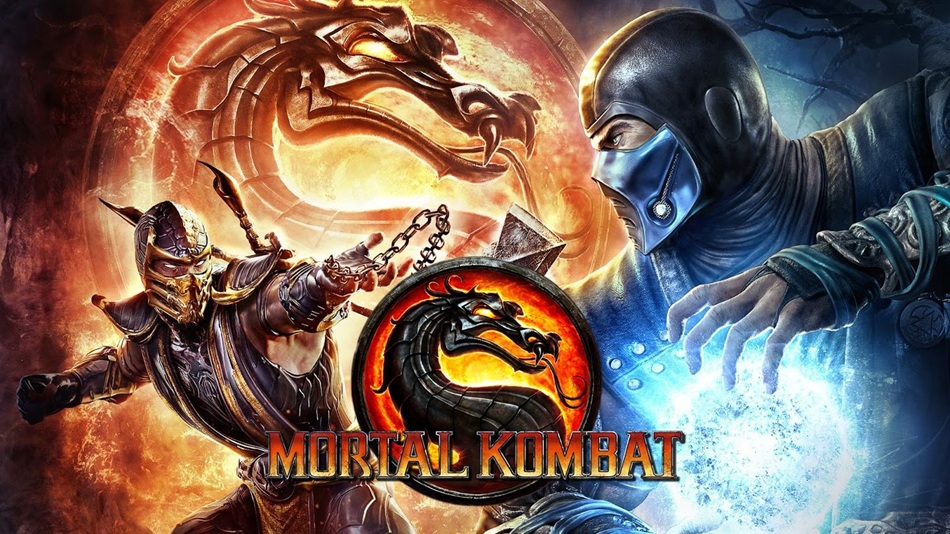
For example, Mortal Kombat 9 provided more insight into martial arts fighter Liu Kang, who faced immense pressure to win the Mortal Kombat tournament and save Earth from invading forces from other dimensions. This would be crucial to the future of the series, as Liu Kang has quickly become the central focus of the new timeline.
We also got to see more details about individual character relationships, such as the rivalry between royal daughters Kitana and Mileena, or more insights into Scorpion, who’s hell-bent on revenge. Altogether, the reboot makes the concepts and content from the original games more cohesive and engaging through excellent storytelling.
Mortal Kombat 9 set the bar high, and the franchise has only improved since the 2011 release. Mortal Kombat 11 introduced Kronika, whose objective was to erase the existing timeline and bring more balance to the world. This gave us time travel and alternate versions of characters. Mortal Kombat 1 rebooted the series again, now in a new timeline entirely, with Liu Kang becoming the new godlike protector of Earth.
Thanks to the time and effort put into the script, playing Mortal Kombat today is much different than when I mashed buttons back in the arcade. Now I’m paying more attention to the plots and feeling more invested in the characters than ever. As a child, I never thought I’d be secretly rooting for Scorpion to get his revenge or that I’d feel so satisfied when Raiden finally accepts his role as a protector.
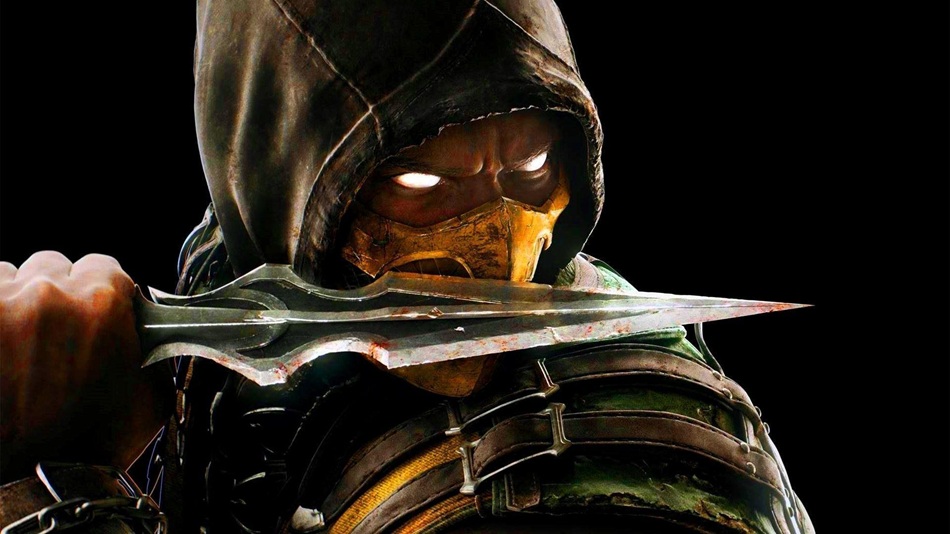
Despite “only” being fighting games, it’s easy to see the effort put into the Tekken, Mortal Kombat and Soulcalibur franchises. While some may only play these titles for their competitive or technical aspects, the plots have much to offer thanks to well-written and complex universes.
From power struggles to sibling rivalries, the creativity of the writing in fighting games keeps me coming back for more, despite being nowhere near the top when it comes to competing.
Now, with that said… let me call my friend to see if he’s up for a Soulcalibur II rematch. He doesn’t know I’ve been practicing for over 20 years!
— Jack Shaw

- Pacific Drive: Whispers In The Woods Review - December 2, 2025
- Slime Rancher 2 Review - November 11, 2025
- Echo Point Nova Review - October 14, 2025