Big In Japan
HIGH An exceptional narrative and combat system that builds upon years of experience.
LOW Some slowdown and visual quirks.
WTF I urge all readers to watch Ghost Dog: The Way of the Samurai before playing this game
For almost two decades, gamers have been well-acquainted with Ubisoft’s Assassin’s Creed series.
The first nine mainline releases saw players inhabit virtual recreations of historical settings in small-scale, open-ended environments that focused on stealth-based gameplay and stories that involve Dan Brown-esque shadow societies and conspiracies.
In 2017, Ubisoft changed directions and the series has since shifted into an open-world, action role-playing style, rivaling modern juggernauts such as The Witcher III and Red Dead Redemption II. As a longtime fan of the series, the current iteration is one I’ve grown fond of, with my own review of Assassin’s Creed Valhalla praising its deeper focus on exploration and strong combat suite. However, even after putting over 100 hours into Valhalla, I still felt that it (and the series as a whole) needed a little more to push itself into greatness and Shadows is that attempt.
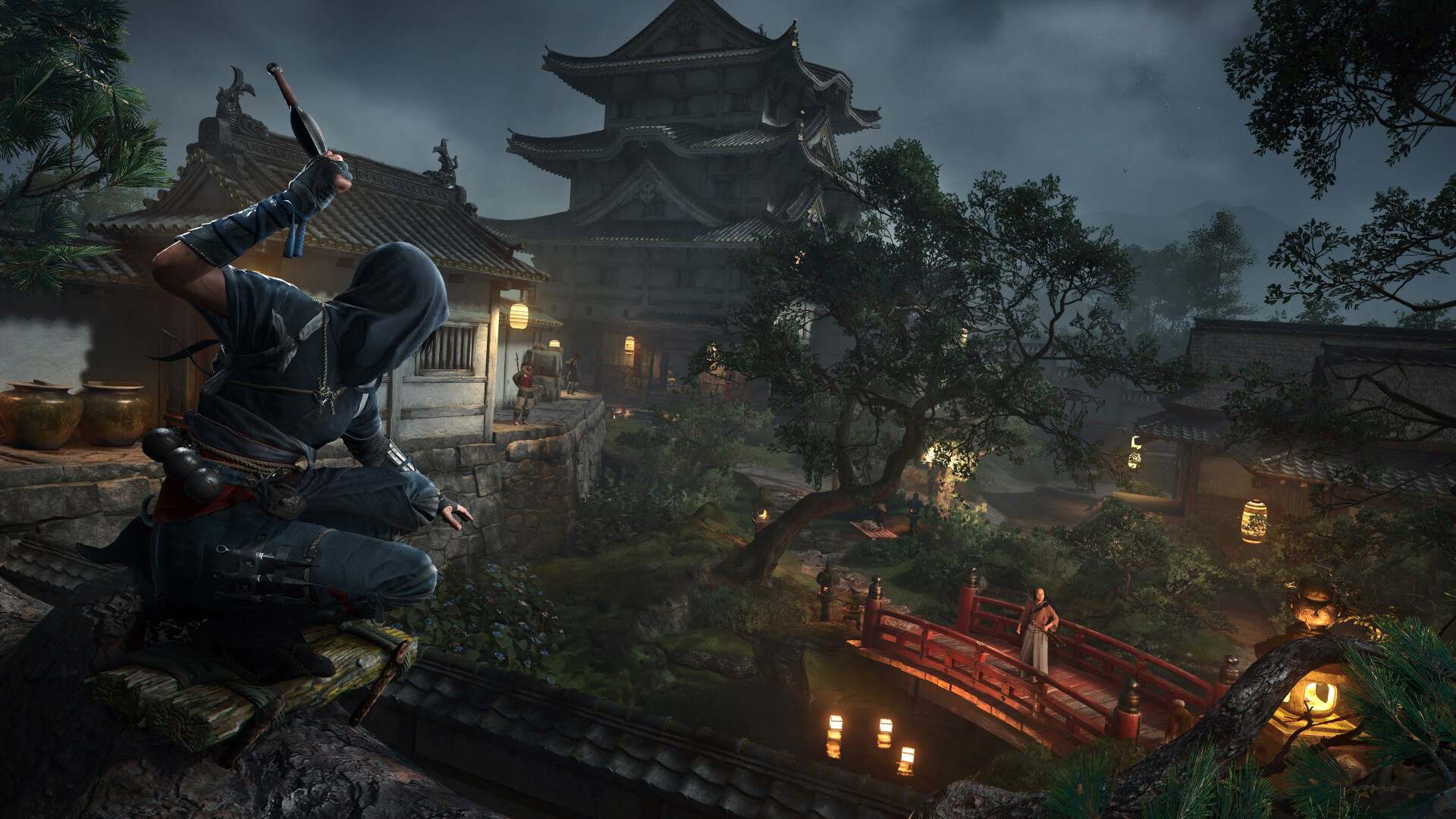
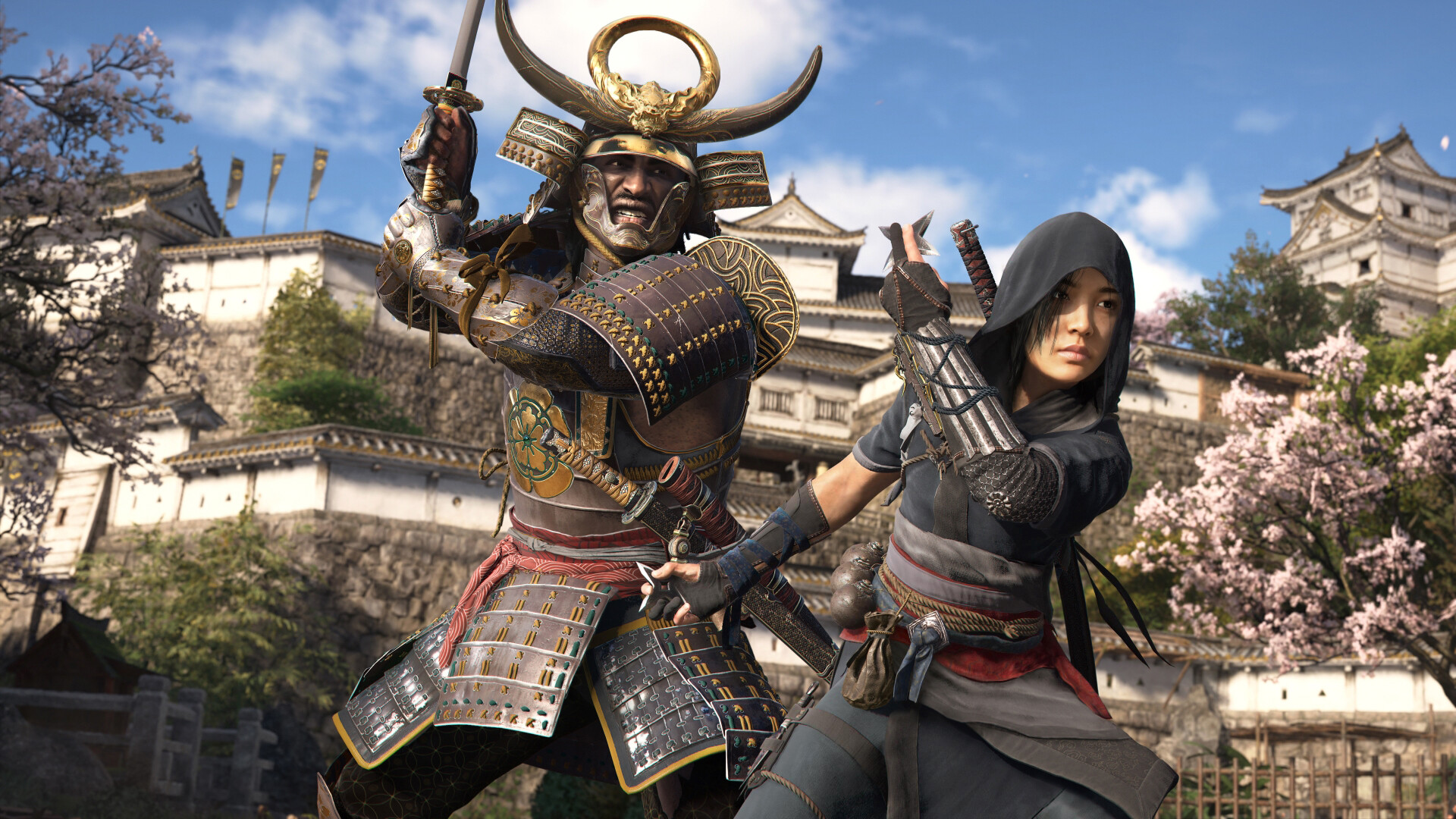
Played from a third-person perspective, Shadows is an action-RPG set in feudal Japan. During this time (the end of the Sengoku period), conflicts have broken out while major advancements in wartime technology (like the introduction of guns) have turned the tide of battle. Players are introduced to the two protagonists, Naoe and Yasuke. The former is a ninja who’s been training her whole life among her people in the Iga Province. The latter, based on the real historical figure of the same name, is an African who was granted the title of Samurai. Without revealing too many narrative details, both characters meet in dire circumstances and form an allyship to liberate Japan from a wave of oppressors.
The storytelling in Shadows is one of its strongest suits, providing a much darker and deeper narrative the series has seen in years. This era in Japan was known for death and destruction, and the story covers that with a gravity I wasn’t expecting. Themes center around the aftermath of war, the tolls that vengeance takes on people and how race and class affect worldview are all prevalent and handled well. It also helps that the two main characters are charming and fleshed out — Naoe’s brash attitude clashes with Yasuke’s more thoughtful personality, making their dynamic work.
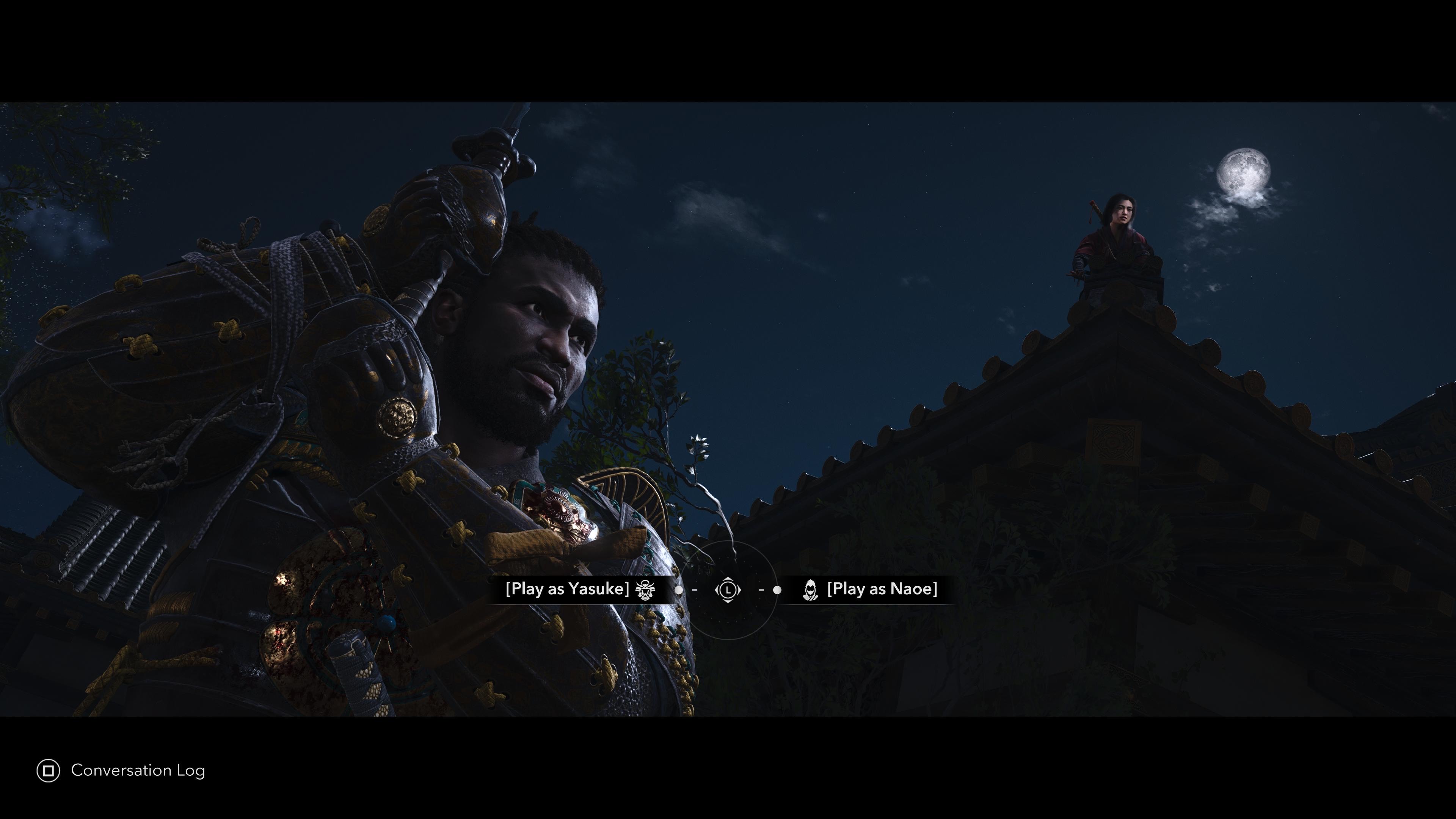
The grand scope and wonderful character of this piece recalls the likes of Akira Kurosawa’s oeuvre of samurai films (Throne of Blood, Seven Samurai, etc.) while the over-the-top violence reminded me of Kenji Misumi’s classic Lone Wolf and Cub: Sword of Vengeance or Takashi Miike’s excellent remake of 13 Assassins. Those cinematic allusions also play a huge part in the story’s presentation, as every cutscene is well-directed and featuring solid cinematography and the inclusion of black bars above and below the screen to add some flair, giving that “widescreen” look.
With the story being the best the series has seen in ages, I’m also happy to report that the gameplay is exceptional, with innovations and changes made to combat and stealth.
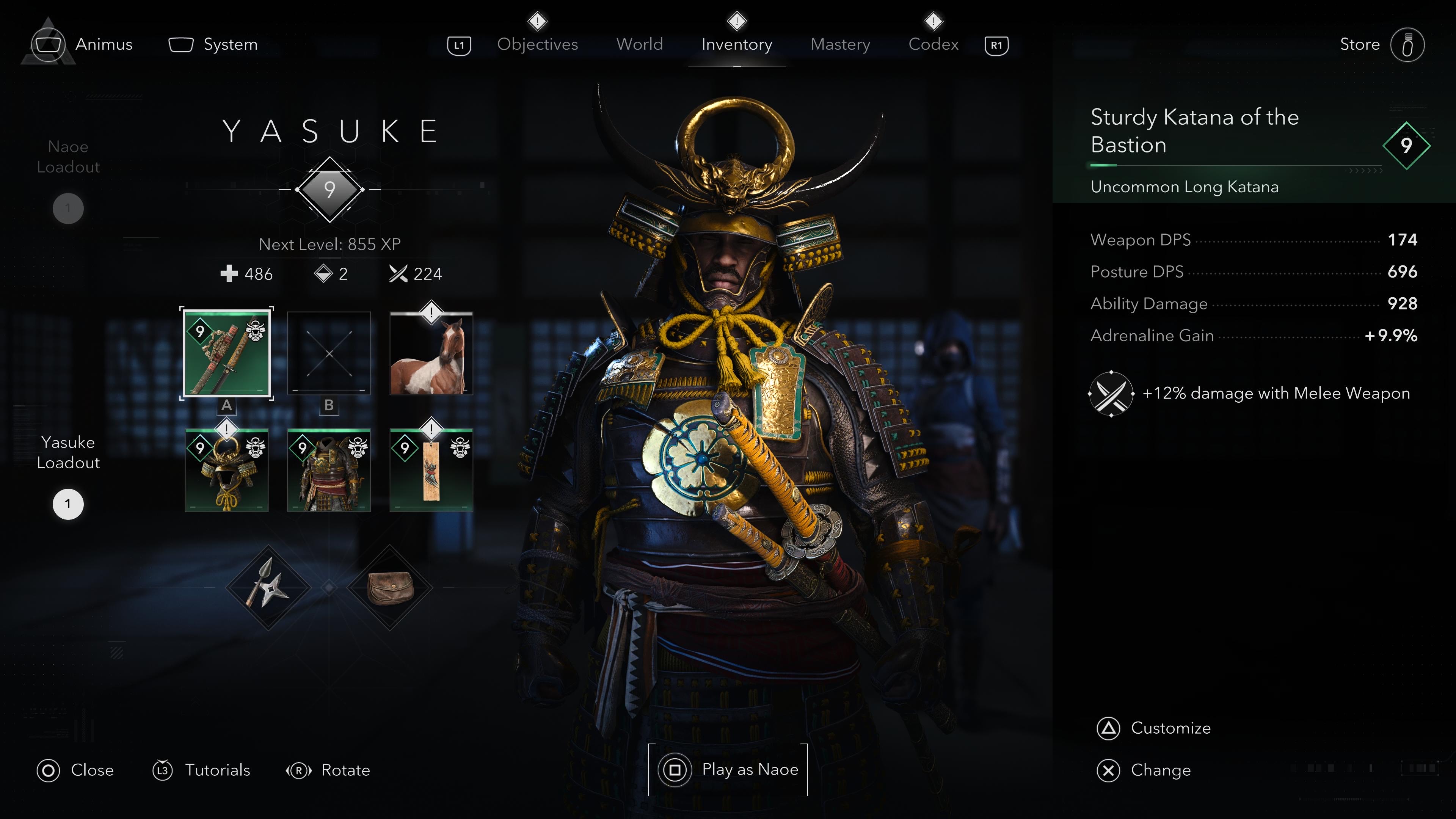
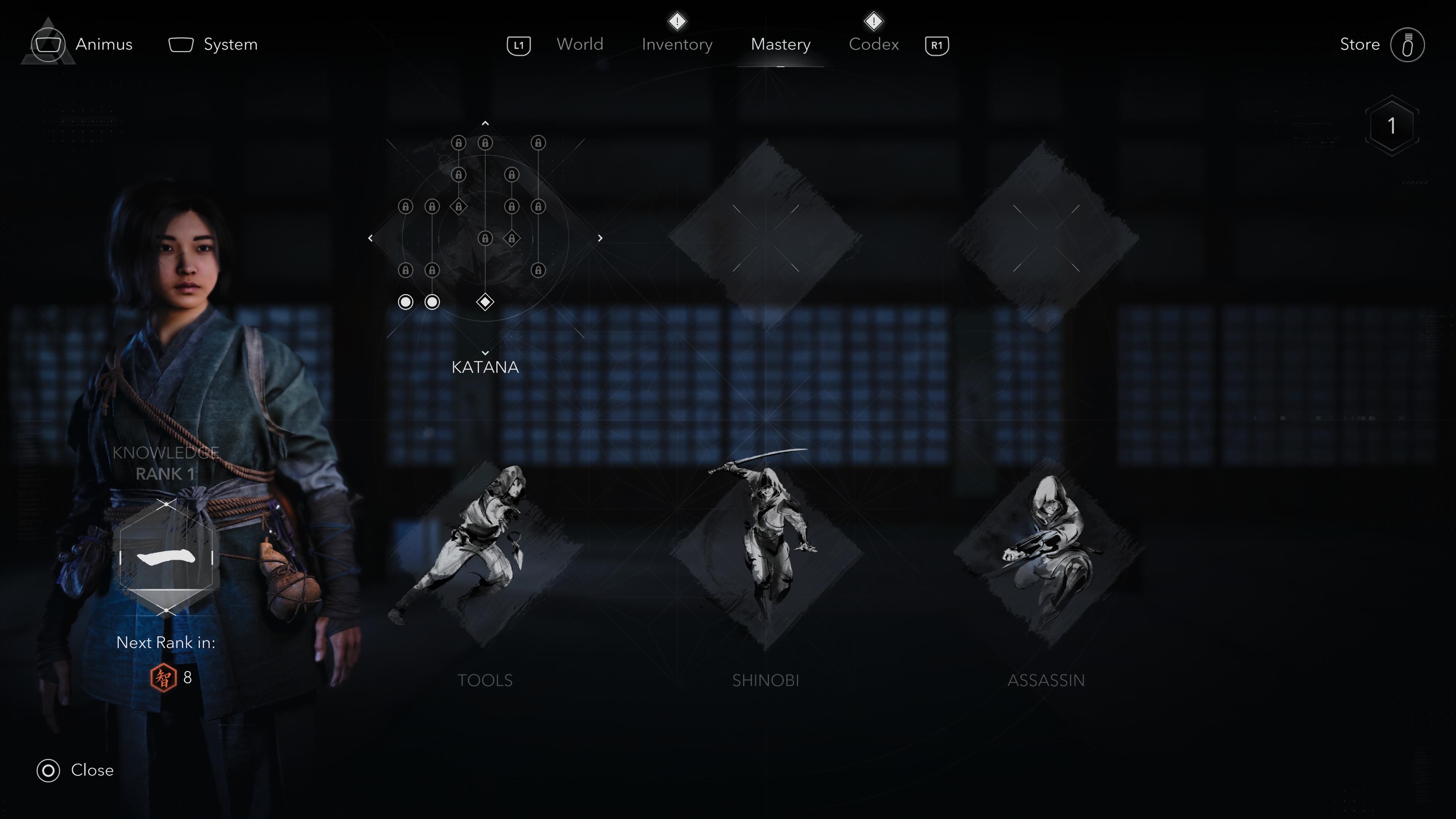
Players control both Naoe and Yasuke in their journey through Japan and are able to switch between them freely after an extended period with Naoe at the beginning. Rather than each character being a simple aesthetic choice, each provides a different style, different skill trees and different approaches to combat, allowing players to build Naoe and Yasuke how they want.
For example, I decided that Naoe should be an excellent assassin and focused on those skills in her tree. She was able to perform a double assassination with a hidden blade, had an arsenal of tools like kunai (a small blade) that could be thrown to dispose of enemies quickly and quietly, and a smoke bomb to get out of dangerous situations. At one point, I even found armor that allowed me to inflict more damage at night, adding to my plan of sticking to the shadows. Naoe can also go prone and crawl on the floor, sneaking through bushes and under structures to catch enemies off guard.
If I did have to get loud using Naoe, I made sure she was an adept fighter and upgraded her katana skills. Combat as a shinobi is a fast dance of careful dodges, parries and quick sword attacks. The stamina meter from Valhalla is gone, allowing players to attack without the cumbersome feeling of managing a meter.
Yasuke isn’t so graceful, but he brings a more brutal style of play. A trained samurai, Yasuke mostly uses weapons like katanas or kanabÅ (spiked clubs) in fights to delivers slower, yet more powerful attacks. His abilities include a kick that can send opponents flying or knocking them down after running into them. Despite not being able to sneak as easily as Naoe, I enjoyed walking into an enemy outpost and taking on a large group of enemies. This boldness pairs excellently with gnarly finisher moves, with plenty of heads and limbs being chopped off.
Other major upgrades to combat include the importance of lights and sounds, as players are able to extinguish candles to conceal themselves in the dark and being careful when sneaking around to avoid creaky floorboards. After the last few entries in the AC series deemphasizing stealth in exchange for action, being able to play Shadows as a full-blown stealth title is a treat. Supporting this is that quests are dynamic, with many ways to complete them. For example, Naoe had to assassinate someone in a house. I managed to successfully sneak past the guards, find a suitable vantage point and threw a knife from a safe distance before anyone had seen me. I completed the quest and faced no alarms or opposition.
As mentioned, Shadows does an excellent job in storytelling and presentation to make the experience feel cinematic, and it also helps that the visuals are gorgeous, with character models and facial animations looking good. However, the real star of the show is Japan itself.
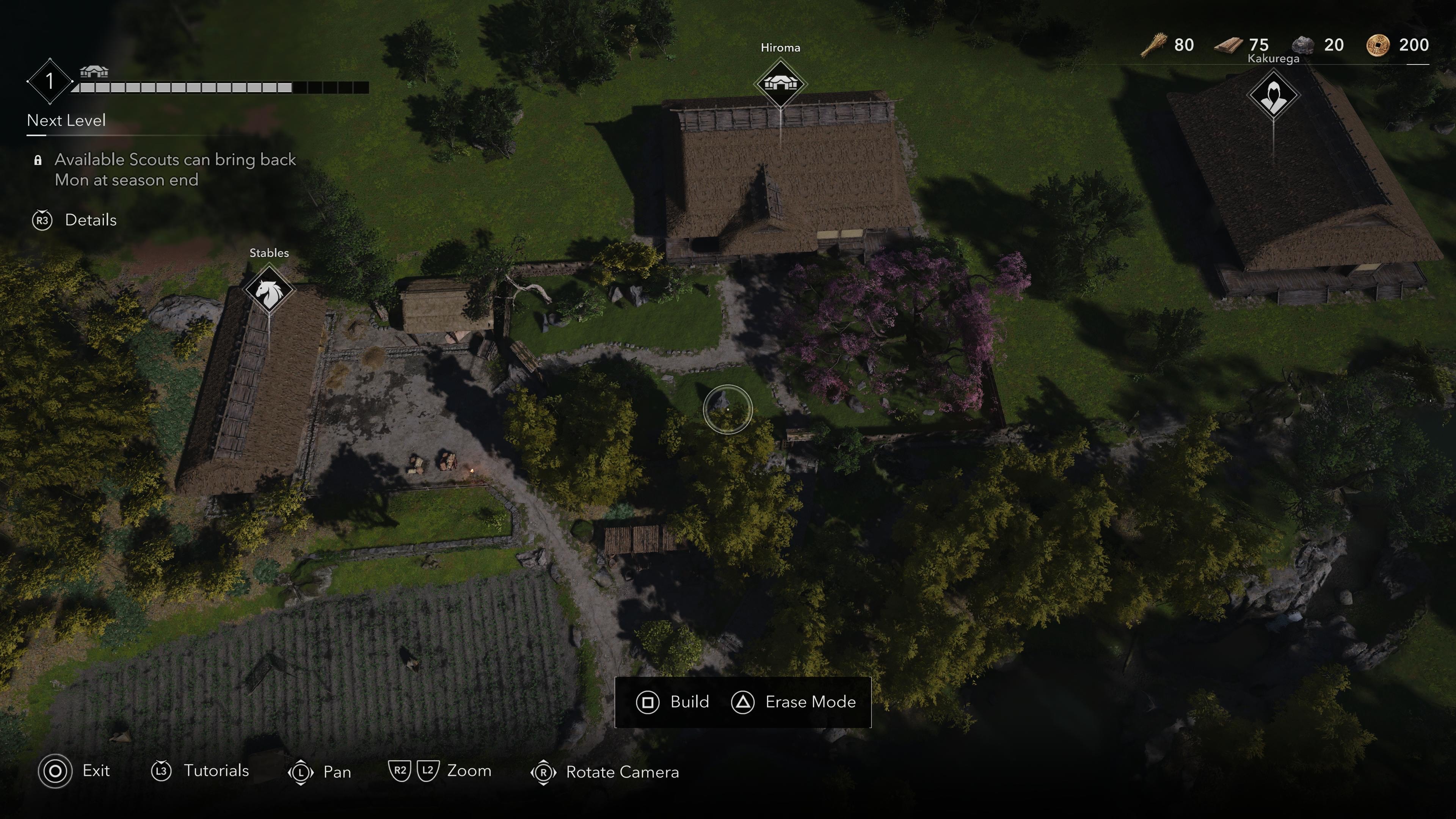
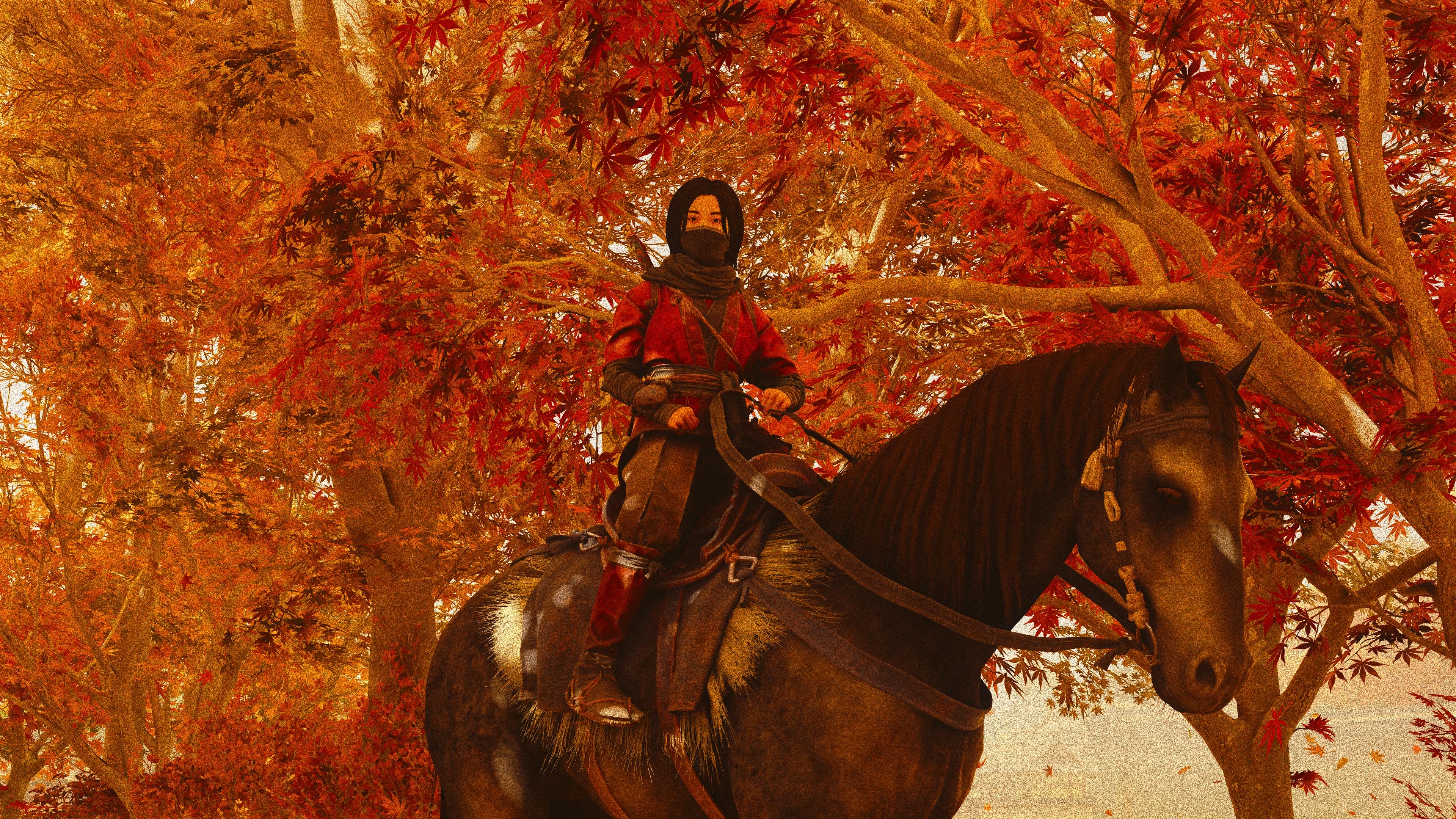
Riding through winding hills on horseback is a treat, as mountains on the horizon paint a gorgeous picture. The same goes for standing in a dense forest full of bamboo. Shadows’ Japan is smaller than Valhalla’s England, which in turn makes it more dense with detail. The overall presentation is amazing and during my time, I only encountered minor moments of slowdown and a few weird clipping instances.
Assassin’s Creed Shadows feels like the culmination of years of reworking the series into a full-fledged RPG. With smart changes to the overall flow of combat and a narrative that rivals some of the best triple-AAA experiences available today, Shadows is not only the best AC in well over a decade, but arguably one of the finest action-RPGs of the decade so far.
Fans and doubters alike owe it to themselves to take this trip to Japan.
Rating: 8.5 out of 10
Buy Assassin’s Creed Shadows: PS5 – Xbox – PC
Disclosures: This game is published and developed by Ubisoft. It is available on PC, PS5, and XBX/S. This copy was obtained via publisher and was reviewed on PS5. Approximately 30 hours were spent in single-player and the game was not completed (still playing). There is no multiplayer.
Parents: According to the ESRB, this game is rated M for Blood and Gore, Intense Violence, Language. The site reads: This is an action-adventure game in which players follow the stories of a shinobi assassin (Naoe) and a samurai (Yasuke) as they navigate turbulent clan wars during Sengoku-era Japan. Players explore open-world environments while performing missions (e.g., searching for items, infiltrating enemy compounds) and using stealth to kill human targets. Players use swords, throwing/concealed blades, and occasional guns to kill various enemies (e.g., ninja, guards, soldiers, samurai) in melee-style combat. Battles are highlighted by screams of pain and frequent blood-splatter effects. Some finishing moves allow players to decapitate or dismember enemies, with brief slow-motion effects. Cutscenes depict further instances of violence: captives beheaded; characters shot at close range. The words “sh*t” and “a*shole” appear in the game.
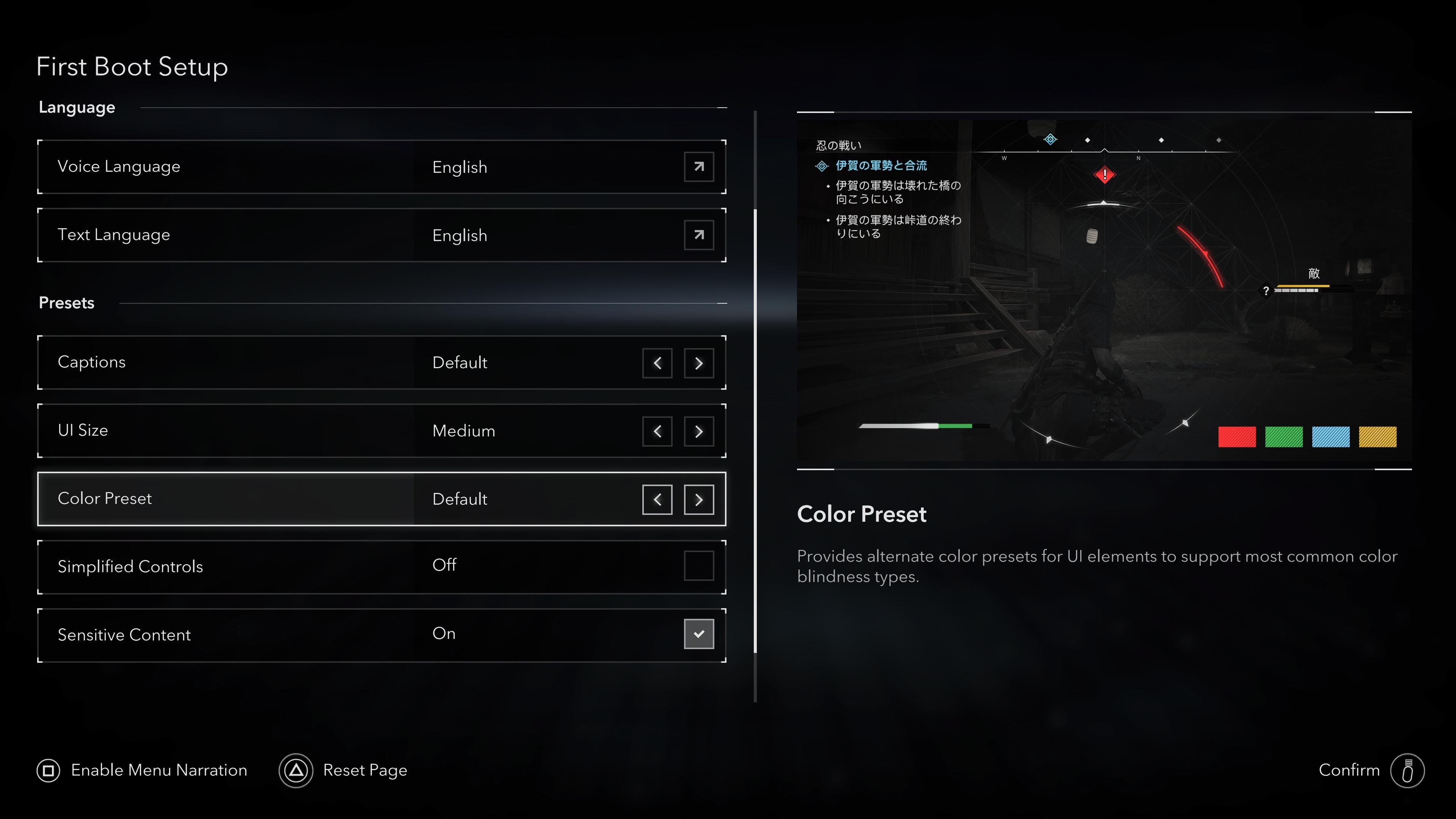
Colorblind Modes: Colorblind modes are present in the options menu.
Deaf and Hard of Hearing Gamers: There are subtitles and visual options available in the game, all of which can be adjusted. This game is fully accessible. More on the accessibility can be read here.
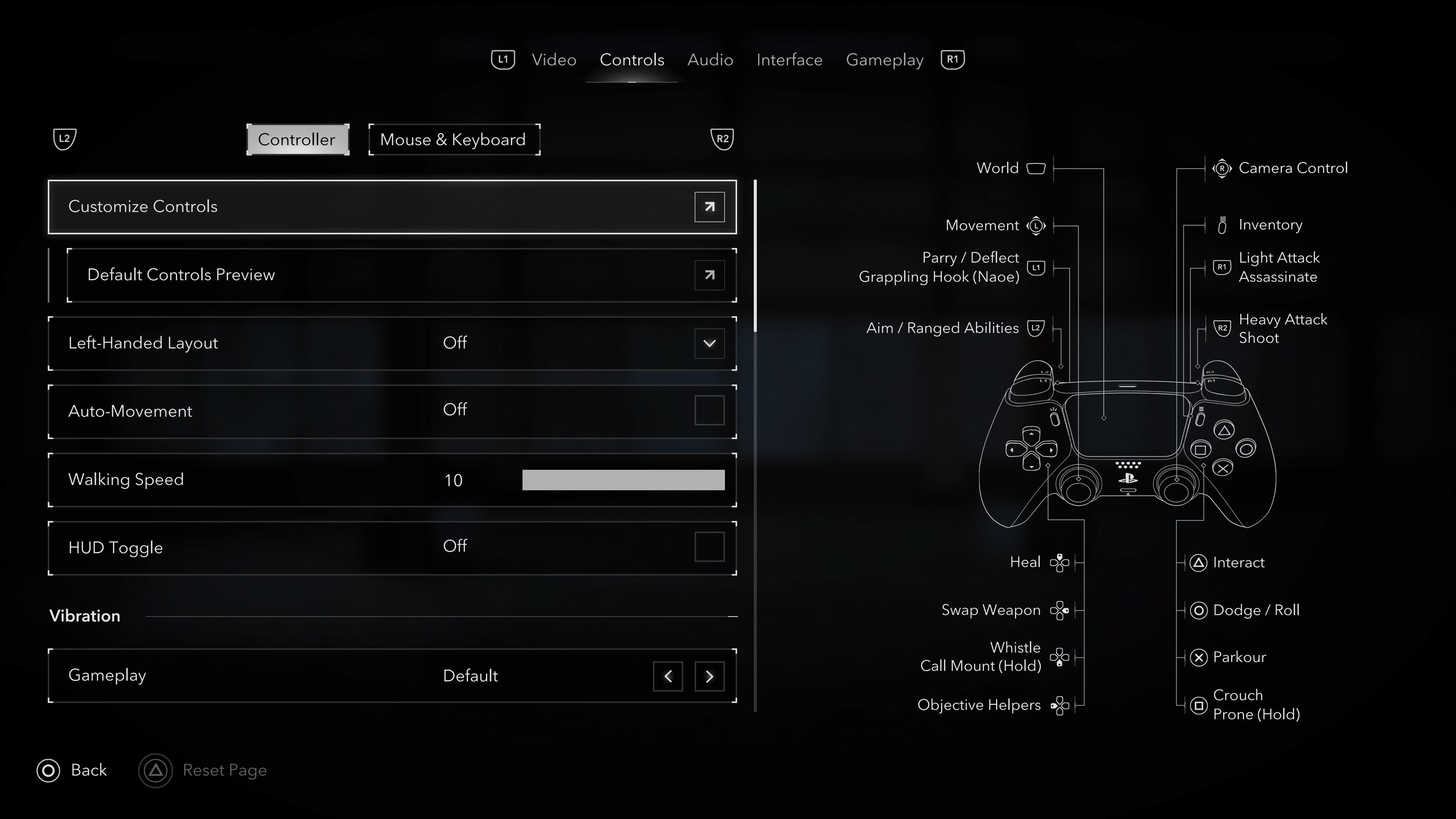
Remappable Controls: The controls can be remapped.

He has a knack for talking about anything he's passionate about, be it movies, games or even sports. If anyone needs an expert on Jim Jarmusch, Tony Hawk’s Pro Skater, Donkey Kong Country, or the Miami Heat, he’s your guy.
Don’t say we didn't warn you, though.
- Battlefield 6 Review - October 15, 2025
- Sonic Racing: CrossWorlds Review - October 6, 2025
- Mafia: The Old Country Review - August 18, 2025
Interested to hear more about the Ghost Dog recommendation! I have seen it, though haven’t played this game
I never really felt I had “ups and downs” with the AC series like other people did. I didn’t enjoy Revelations and Origins that much, but I was into the formula enough that I didn’t mind their weaknesses. Then Valhalla kind of broke me. It took everything I usually enjoyed about the formula and turned it into a chore. As much as I’d like to rekindle the feeling I got from the pre-Valhalla games, it’s going to take a few more years for me to get there and try this one.