The Game That Never Ends
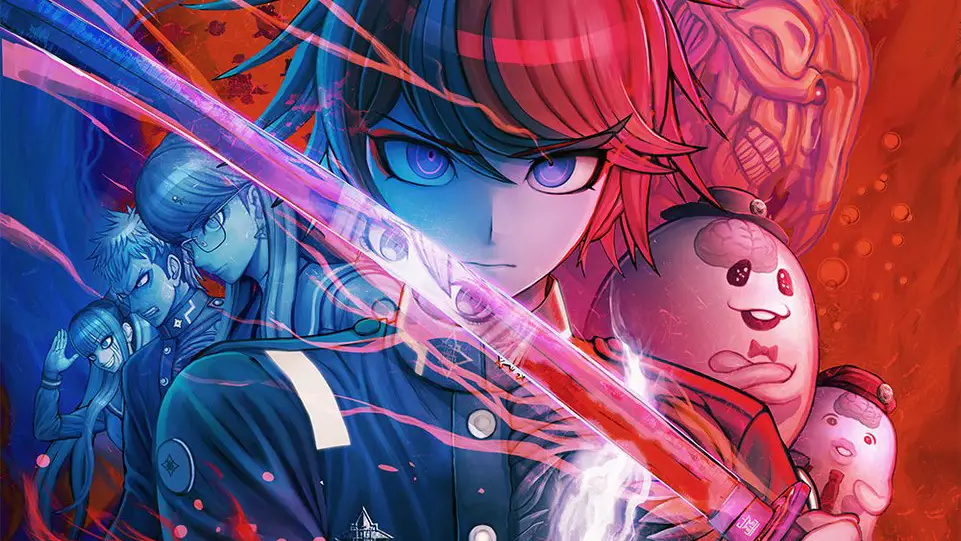
HIGH The story feels both boundless and handcrafted.
LOW Some reused art assets here and there.
WTF A girl who wears a tomato mask
I keep asking myself, have I really beaten The Hundred Line?
Sure I’ve completed the story — I’ve reached the end credits a little under 40 times now, acquiring nearly half of the 100 available endings. But those 60-or-so endings that remain… they vex me, I tell ya. Not only do they make me second-guess whether or not I’ve really completed The Hundred Line in any meaningful sense, but they also make me wonder whether I’ll ever fully conquer something this vast and labyrinthian.
In general, I hate how bloated games have become. I’m just not interested in titles that prioritize endless Content — to me, they feel like a futile and demeaning attempt to numb the player’s brain and senses. The Hundred Line is different, though. Its endless length is filled to the brim with a number of story routes which vary wildly in tone and genre, acting as a veritable index of modern videogame storytelling, and genre storytelling in general. I continue to be entranced by The Hundred Line’s endless possibilities, in awe of its gutsiness and ambition.
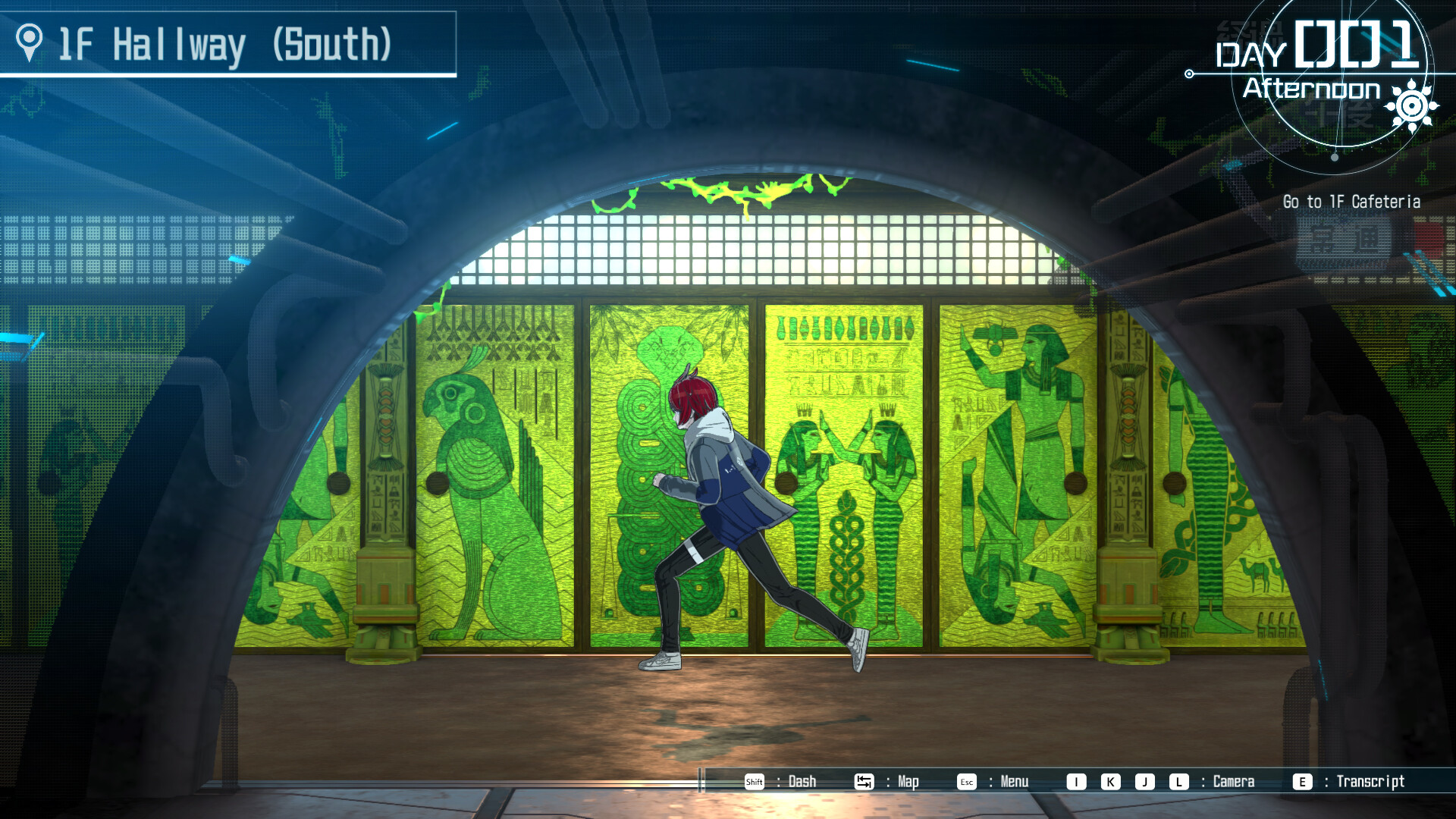
Despite the bizarre turns the story takes over the course of its gargantuan runtime, the setup is (relatively) simple. The protagonist, Takumi Sumino, is living a blissful (yet boring) existence in the Tokyo Residential Complex, a futuristic, sealed-off metropolis. One day, Takumi and his childhood friend Karua are accosted by mysterious, cartoonish alien creatures called ‘Invaders.’ Takumi is then prompted by an equally mysterious robot to use a special power to fight these Invaders.
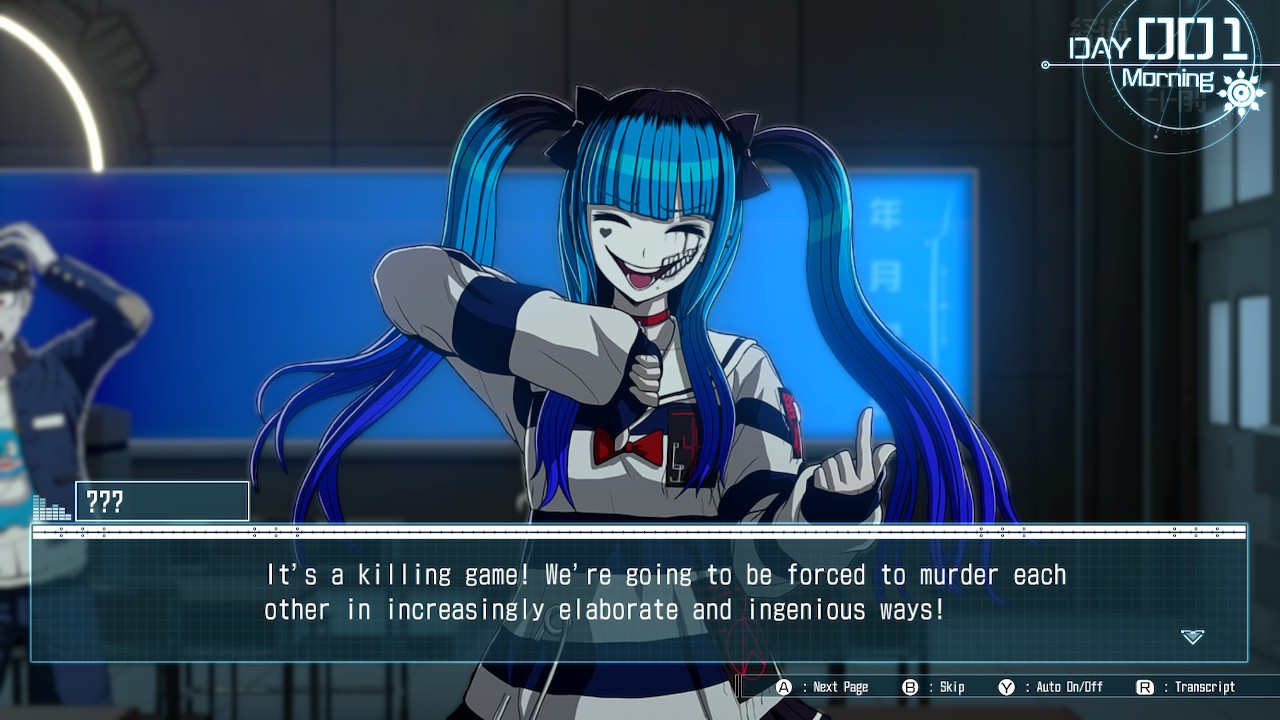
Afterwards, Takumi is transported to the titular ‘Last Defense Academy,’ a school that seems to stand within the ruins of a devastated Earth. Awaking at the academy with the robot, Sirei, and a group of quirky fellow students, Takumi is told they must defend the school for 100 days, protecting ‘something’ within the complex that is ‘critical to humanity’s survival.’
It’s difficult to summarize The Hundred Line without spoiling anything, given the ways in which the setup is expanded and twisted throughout the initial playthrough and all subsequent runs (which then allow the player to make choices that drastically alter the course of the story). However, to put it in a nutshell, it largely summed up as a combination of Visual Novel and Turn-Based Tactics.
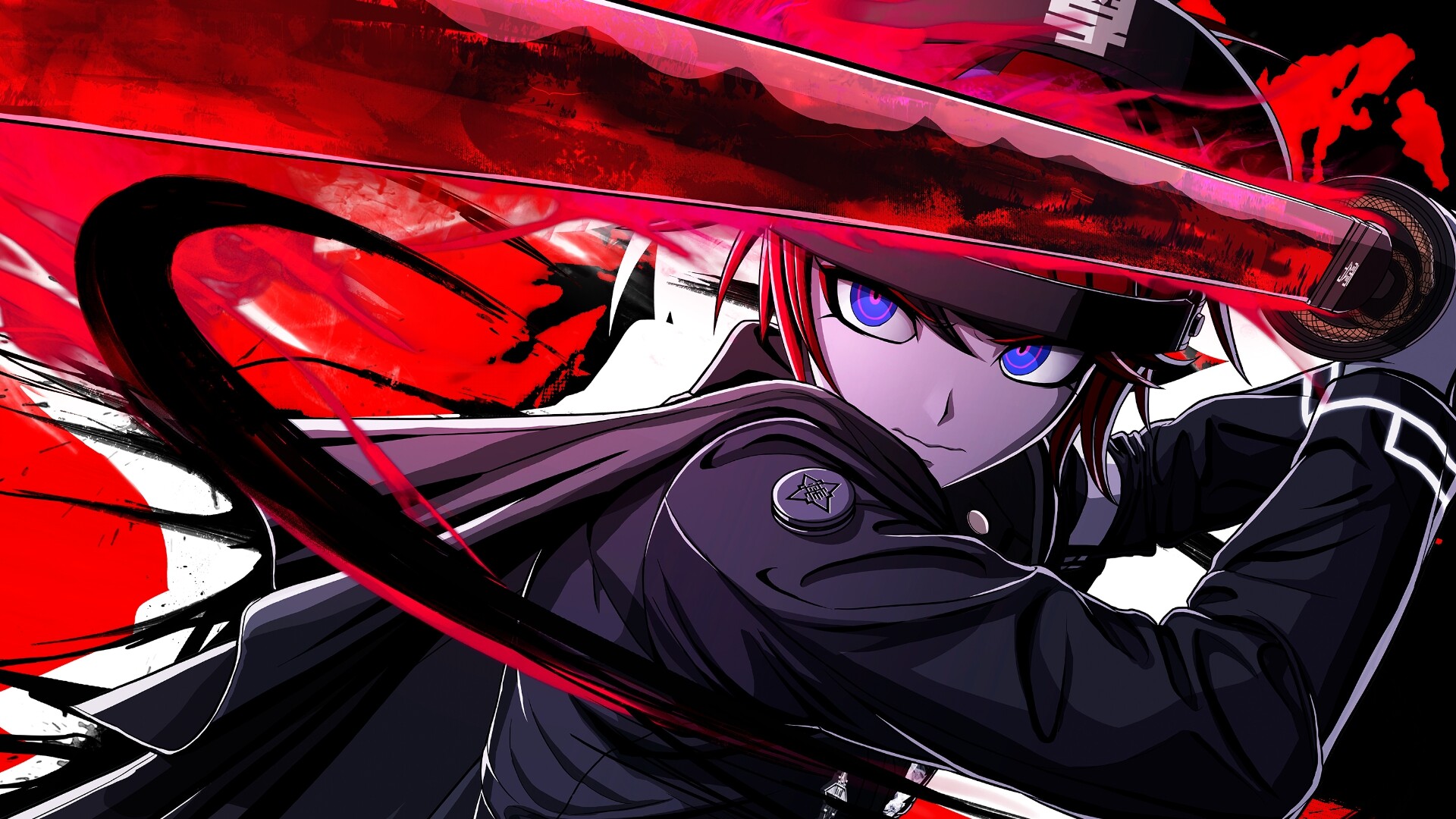
As The Hundred Line cannonballs through different genres and tones, even plot elements that were initially relegated to the background take on new dimensions of significance and pathos. The characters, who can initially feel like caricatures (a ditzy samurai, a morbid goth girl obsessed with lurid videogames, etc.) acquire additional texture as the player spends more time with them, many acting as a sort of secondary ‘star’ of their very own route. It all feels like staring at a painting from different angles, a ritual that becomes comfortably familiar while still having the capacity to surprise and delight.
This dizzyingly panoramic effect is increased by the fact that, in many cases, the individual routes feel so distinct that each is like a self-contained story unto itself. Certainly, some routes and some endings feel more like ‘True’ endings and routes than others, but The Hundred Line seems open to the idea that the player should shape their experience, in a manner that can only be accomplished in the medium of videogames. Even if the player decides to move on before clearing all 100 endings, they will undoubtedly find a route that feels like a cathartic stopping point.
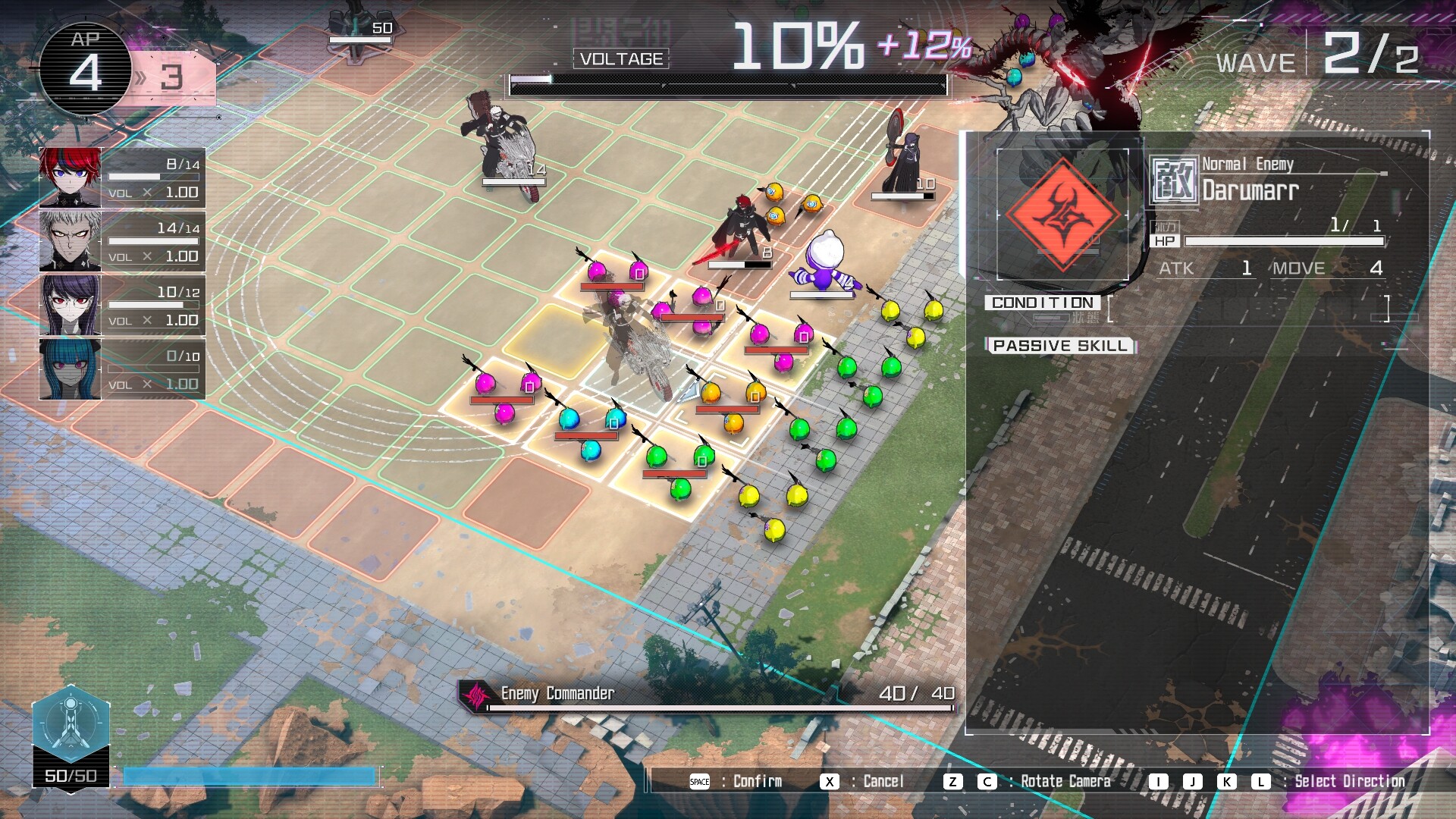
The Hundred Line’s gargantuan visual novel story is frequently broken up by tactical RPG sections. Players have a pre-determined number of moves each turn, called ‘AP’ with which they can move any unit as many times as they like. This shared pool of moves is the key to The Hundred Line’s excellent gameplay, enabling its best feature — a sort of Shin Megami Tensei-esque extra turn system. By killing larger enemies, the player can gain AP. Also, every attack contributes towards building a ‘Voltage’ gauge, which, when full, grants the player’s units the ability to launch powerful Area-of-Effect attacks at no AP cost, among other possible effects.
It’s easy to see how these pieces fit together. Combat revolves around efficiently targeting sets of elite units, gaining Voltage, and looping powerful attacks. Often, the player can burn down a huge wall of units in a single turn, which feels both joyously appropriate from a narrative perspective (defending a lone human outpost from an endless barrage of Invaders) and continuously novel from a gameplay perspective. Even though there are a limited number of enemies in The Hundred Line, the play continues to engage as the challenge to ‘solve’ enemy setups with greater efficiency ramps up. It’s a freeform and highly encouraging form of player experimentation — more like a puzzler than tactical RPG, almost.
Both the story and the gameplay, in fact, are united in a sort of easygoing, confident attitude — they both welcome the player into a playful garden of limitless variations, inviting them to take their time and experiment with the systems and narrative possibilities at their own pace. Unlike many modern titles, The Hundred Line is huge content-wise because the developers just felt that it should be, and it’s not attempting to hoodwink the player with hours upon hours of empty, padded content. Each writer for The Hundred Line’s numerous arcs clearly had their own vision, each slice feeling like a necessary part of The Hundred Line’s grand mosaic.
Even if I never completely beat The Hundred Line, even if I’m never able to see what that entire mosaic is supposed to look like, I’m just glad I got to play around in its world for a while.
Rating: 9.5 out of 10
Disclosures: This game is developed by Too Kyo Games and Media.Vision, and published by Aniplex. It is currently available on PC and Switch. Approximately 115 hours were dedicated to the single-player mode, and the game was completed. There are no multiplayer modes.
Parents: according to the ESRB, this game is rated M and contains Blood, Partial Nudity, Sexual Themes, Strong Language, and Violence. The official description reads: This is a role-playing game in which players follow a man recruited to an academy tasked with protecting humanity from destructive invaders. The game contains visual novel elements largely presented as still-screen images and sound effects. Cutscenes sometimes depict instances of violence and blood: characters stabbing themselves with swords as blood erupts from their wounds; a character decapitated off-camera; a knight figure cutting its own throat, resulting in large spurts of blood. Gameplay combat is turn-based, with players selecting movements and attacks from a menu screen to battle colorful demon enemies; players use swords, axes, bats, and fantastical guns to defeat enemies. Some scenes depict/discuss sexual themes: a woman covered in cake imploring a character to eat it off of her while she moans; a character telling players’ character “let me grab them b*obs!” A handful of scenes depict characters partially nude, with hair/arms/weapons covering their breasts; one character is depicted with partially exposed buttocks. The word “f**k” appears in the game.
Colorblind modes: There are no colorblind modes available.
Deaf & Hard of Hearing Gamers: This game offers subtitles. The subtitles cannot be altered and/or resized. All the dialogue (and other essential information) is delivered via subtitles. In addition, there are no essential sound cues within the combat system. Thus, all elements of the game are fully accessible without sound.
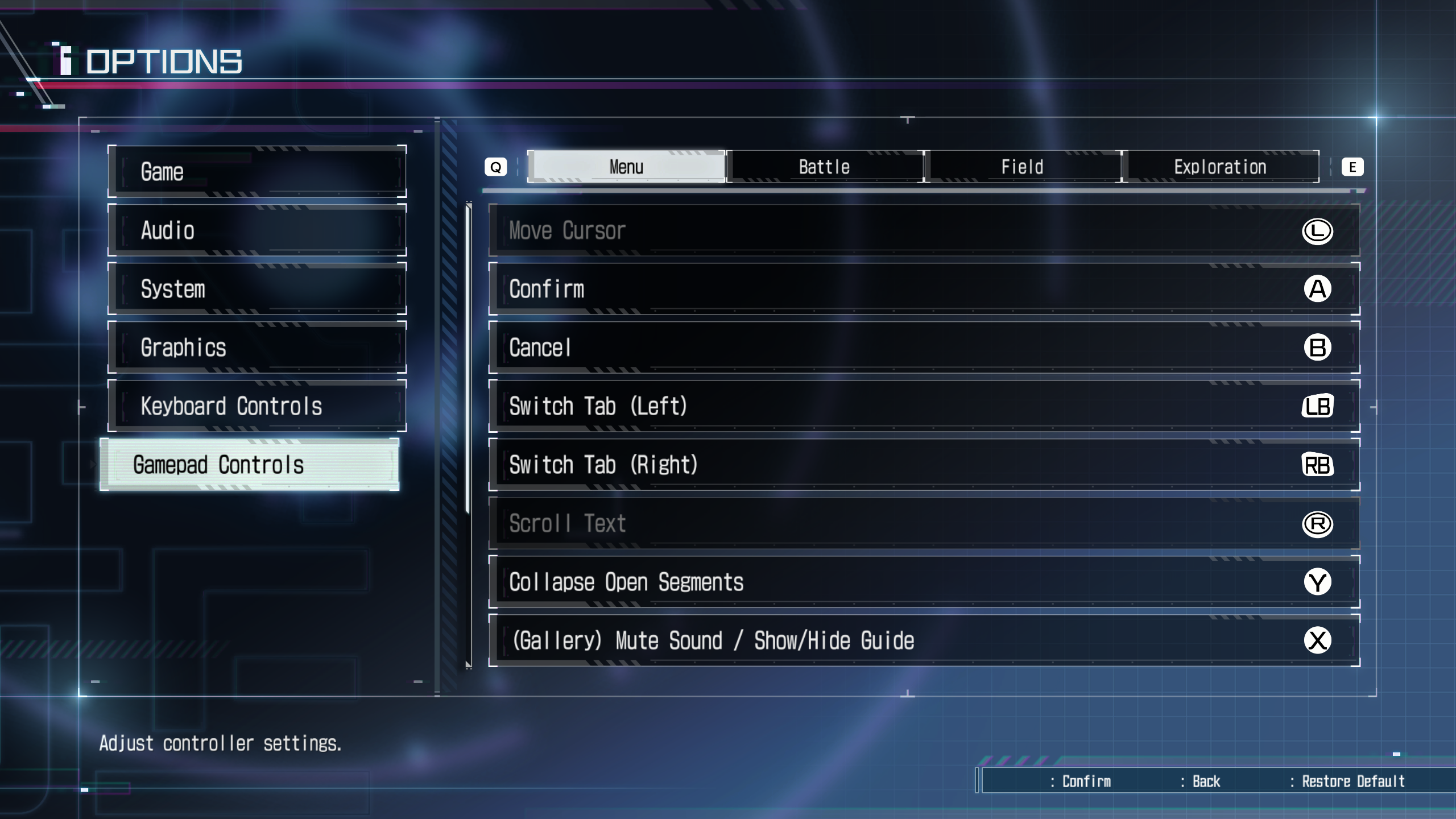
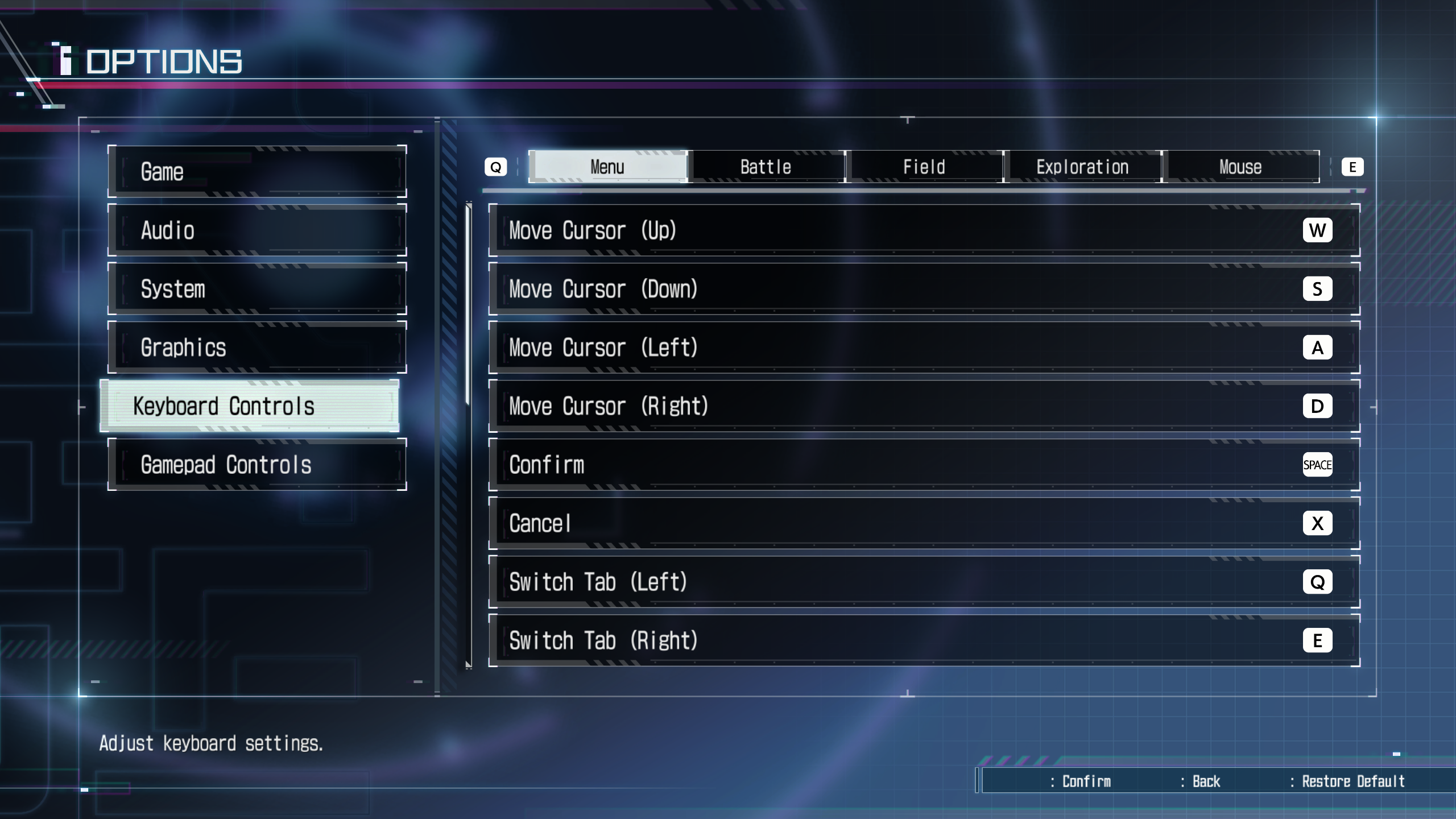
Remappable Controls: Yes, this game offers fully remappable controls.

- The Hundred Line: Last Defense Academy Review - June 12, 2025
- Void Sails Review - May 27, 2025
- Fabledom Review - July 19, 2024