Strategic Planning, Quick Results
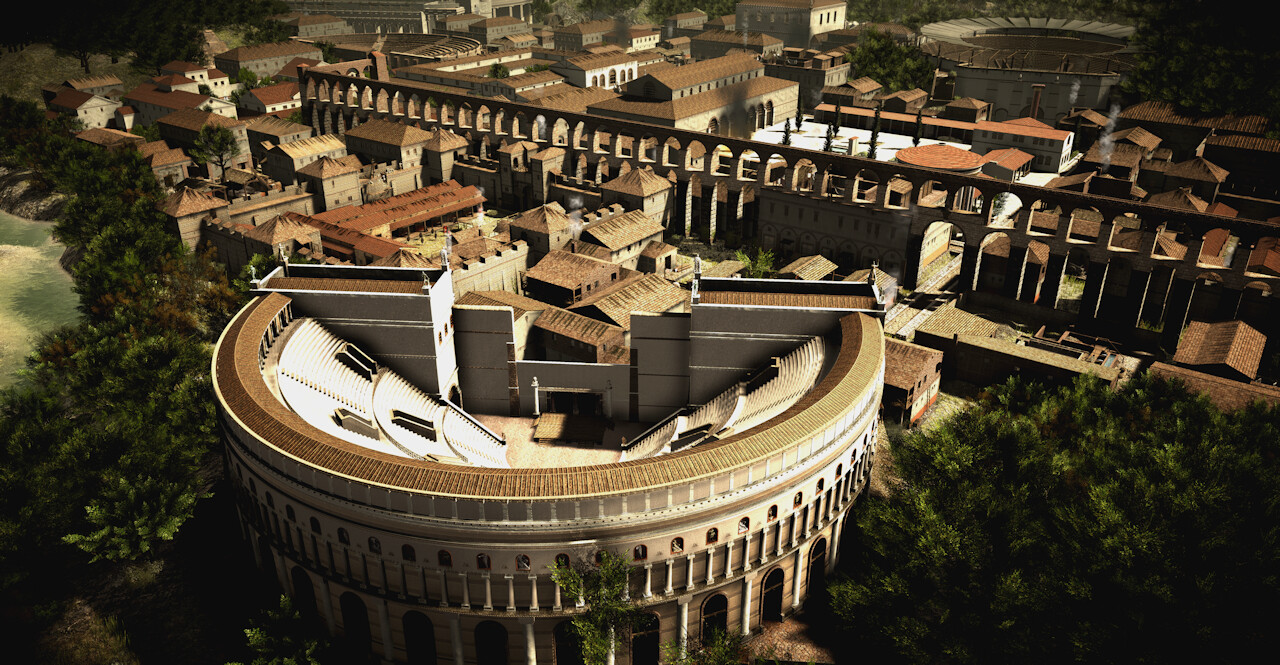
HIGH Incredible attention to detail with great graphics and unique building types.
LOW A janky camera and constant bugs.
WTF Why is it so easy to bribe officials?!
Pax Augusta isn’t quite a spectacular Roman triumph, but it is certainly a valiant effort from a solo developer that could earn the admiration of city-building fans. In this title, the player takes on the life of a minor Roman official climbing their way to riches by managing colonies. While the detail and ambition is impressive, Pax Augusta suffers from bugs and technical frustrations that hold it back. However, with some polishing, Pax Augusta could rise like Rome itself.
The underlying premise of Pax Augusta is to build a Roman city from the ground up using structures such as houses, gardens, and temples. The core gameplay is about citizen and resource management. Expanding too quickly leads to resource shortages, so Pax Augusta prioritizes slow and steady growth, as opposed to rapid construction. The idea is extremely promising, and paired with a well-known historical period, the immersion aspect is exceptional. Pax Augusta, at its heart, feels like an old-school city-builder
utilizing the iconic Roman setting.
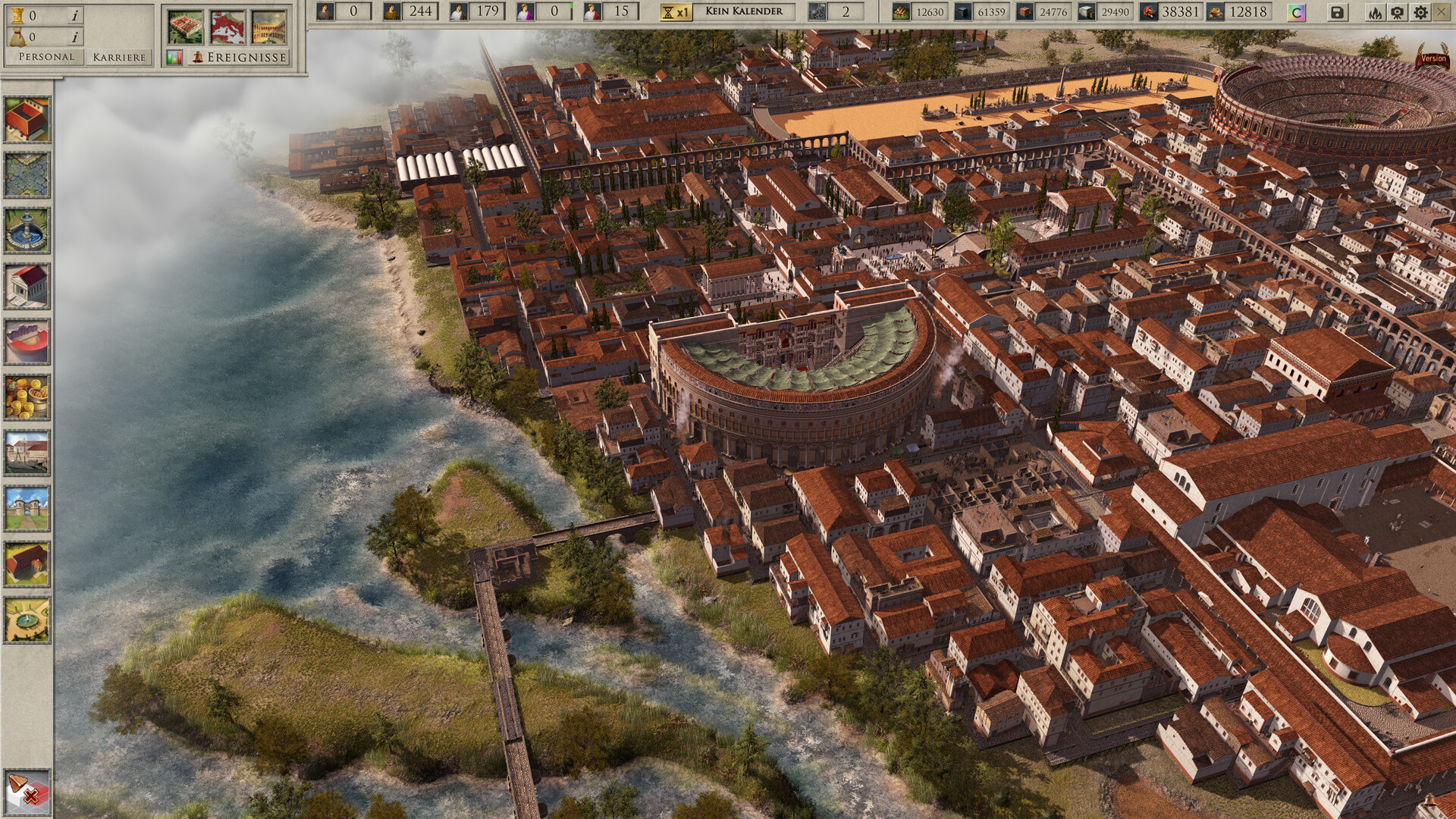
Diving into the positives, the building mechanics are well-implemented and the graphics are riveting. The main goal is to increase population to obtain more wealth and reputation, allowing the player to rise in the ranks of Roman nobility. Players can do things like build, manage food and production, and trade.
The town ‘layer’ is where the main gameplay happens, but there’s also an outer map that allows the player to buy resources from other villages and move around the Roman empire. The progression from a village to a town is satisfying, and milestones are marked with new building unlocks and higher class citizens. The needs and design system also balances challenge and enjoyability. Citizen satisfaction is based on how happy people feel in their home, which is influenced by variables like access to food, water, and distance from the town center.
A unique mechanic cities offer is a forum, which is essentially a town hall. As the player gains more population, the forum needs to expand, and elements like calendars and shrines can be added. Additionally, the forum is built square by square, and with a variety of choices, the player has a lot of room to let their creativity run wild and build authentic architecture.
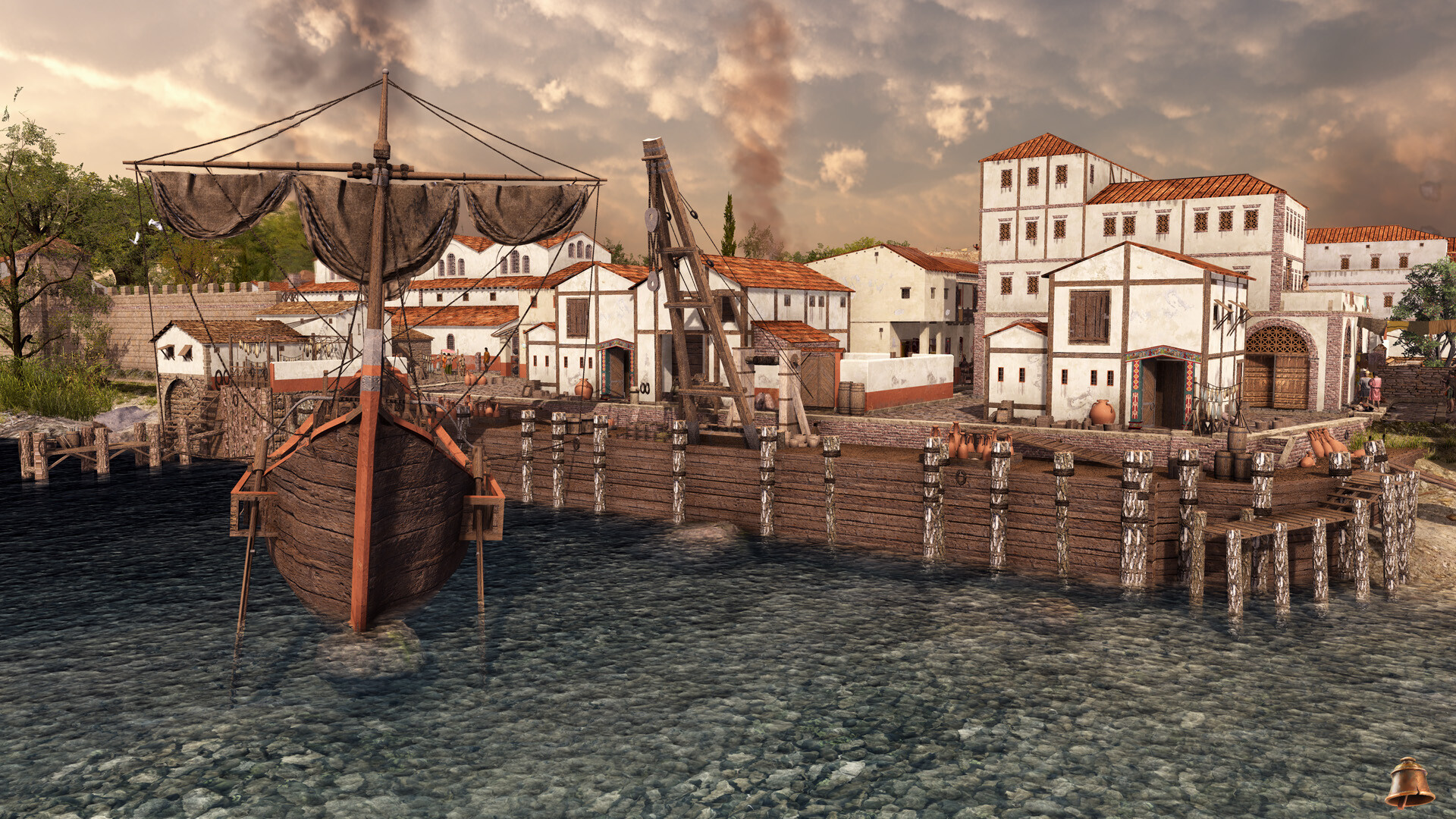
The graphics and art style in Pax Augusta are great. The design leans heavily towards realism, with a good veneer of authenticity. White-marbled temples and wooden market stalls amplify the feel of a Roman town, and buildings stand out and are easily identified, even when close to each other. The world map depicts a grassy landscape with paved roads and markers that make navigating clear and organized.
Unfortunately, Pax Augusta is held back by potentially game-breaking bugs.
First of all, the camera is janky. It constantly glitches or freezes when the screen moves, and it gave me a bit of a headache moving around. Also, when loading the map, it took a long time to render the buildings, causing stuttering and glitching before eventually crashing. The story mode has a bug where if the player leaves their town to go to the world map, the questline is broken – this happened to me multiple times, and I was never able to get past the third quest in the story.
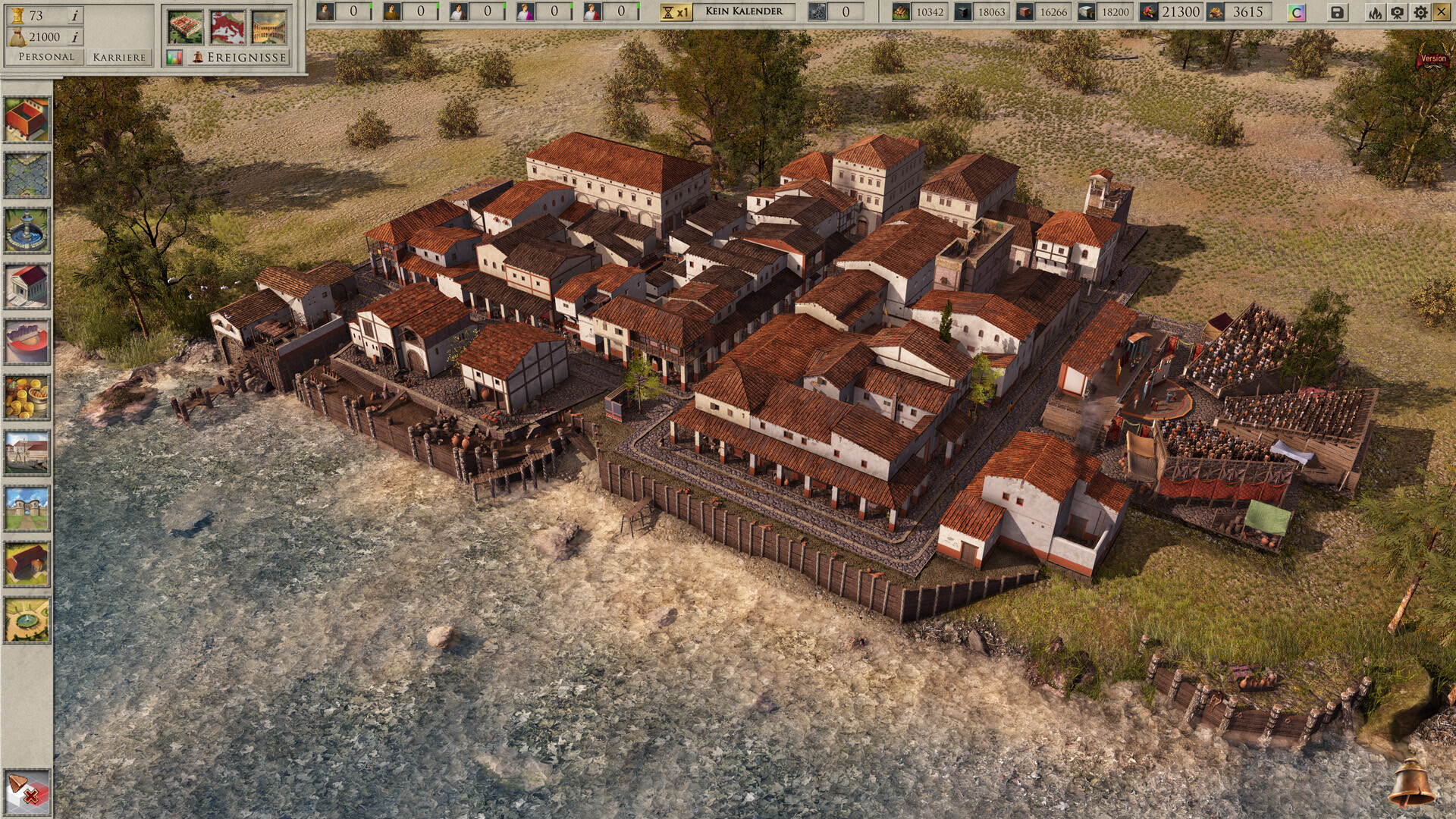
The user interface is clean, and the tutorial does a decent job of explaining how each button works, but there are some mechanics that are overly complex. For instance, to put on a show, the player has to construct a theater, construct a shrine and pay augurs to reveal the omens, and then hire a theater company from the world map before finally being able to choose a compatible month to display a performance. Mechanics like these largely discourage the player from building specific buildings because the effects they have are negligible compared to the hassle it takes to pull them off.
The senate (spoiler: it’s me) has deliberated on Pax Augusta and sees a lot of potential. The building effects are well developed and its fundamental mechanics prove to be entertaining. The graphics are also a positive talking point, creating a realistic feel that can transport the player a few thousand years back. However, Pax Augusta – at the time of review – remains incredibly unpolished and riddled with bugs, some of them which simply can’t be ignored. It’s clear that the developer put time and passion into this
project, and if the bugs can be ironed out, it will be a solid title for history and city-builder fans to enjoy.
Rating: 4.5 out of 10
— Eddie Guo
Buy Pax Augusta – PC
Disclosures: This game is developed by Roger Gassmann and published by Senatis. It is currently available on PC. This copy of the game was obtained via publisher and reviewed on PC. Approximately 7 hours of play were devoted to the single-player mode, and the game was not completed. There are no multiplayer modes.
Parents: This has not been rated by ESRB. There are mentions of slavery, but as expected for a city-builder, there is very little violence, gore, or cursing. The main focus is on strategic development which makes this game suitable for most ages.
Colorblind Modes: There are no colorblind modes available.
Deaf & Hard of Hearing Gamers: This game has no dialogue and everything is communicated with big text boxes that cannot be altered/resized. There are no necessary audio cues. This game is fully accessible.
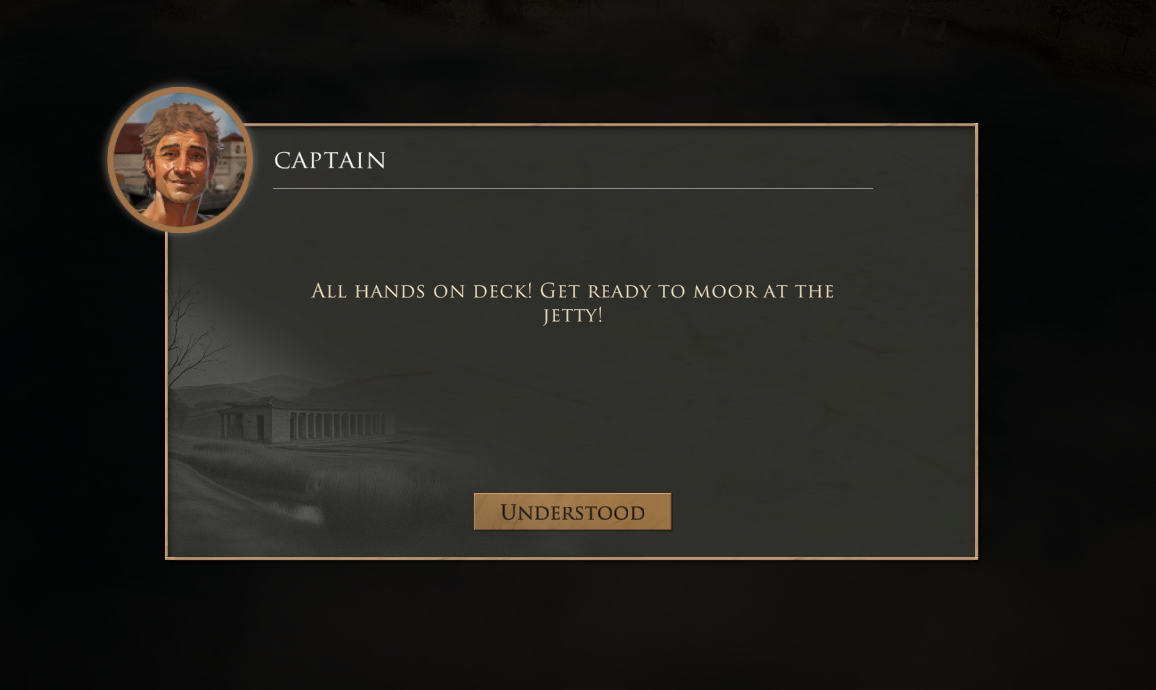
Remappable Controls: Yes, this game offers fully remappable controls.

- Slime Rancher 2 Review - November 11, 2025
- Echo Point Nova Review - October 14, 2025
- Rematch Review - August 27, 2025